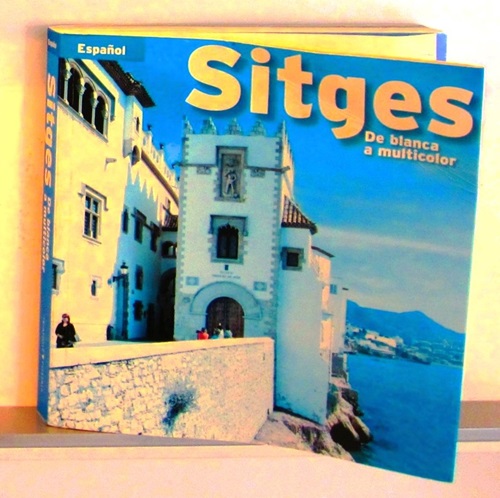




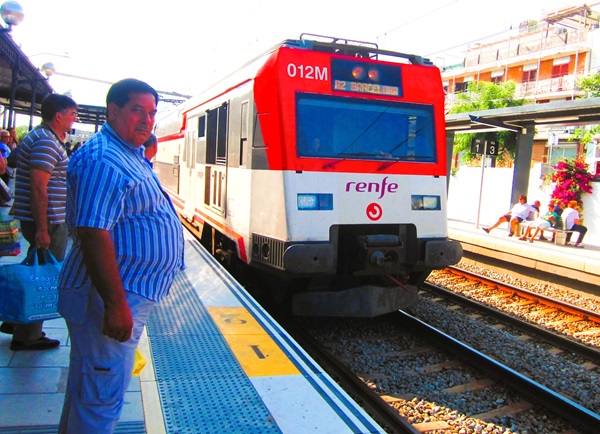
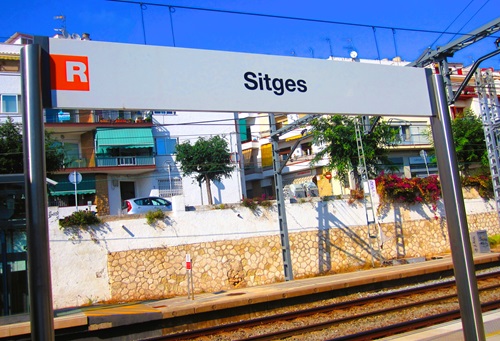
I took the train from Barcelona to Sitges. The journey was about 50 minutes. Sitges is a coastal town about 35 kilometres southwest of Barcelona. I just wondered around the places for a few hours and took the train back to Barcelona.
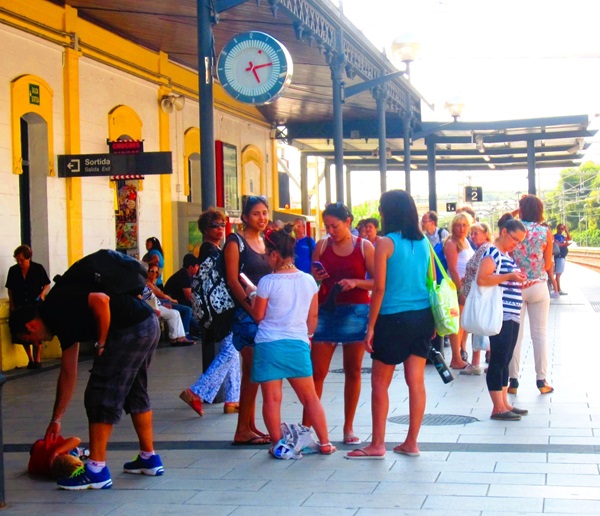
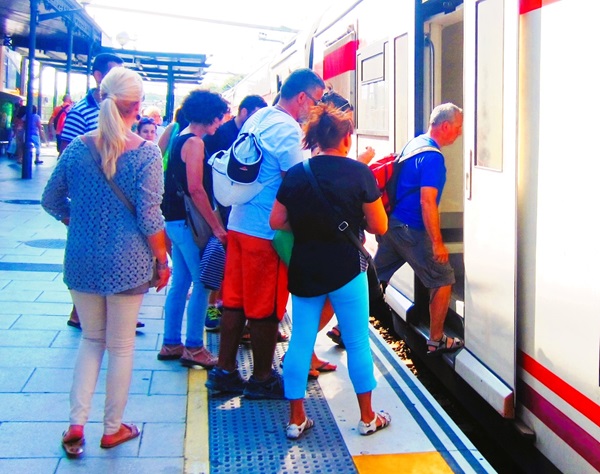
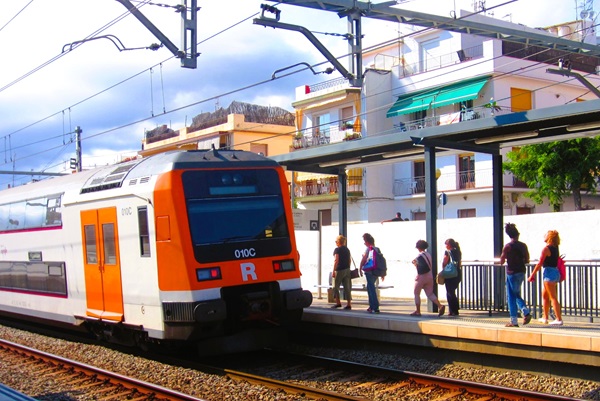
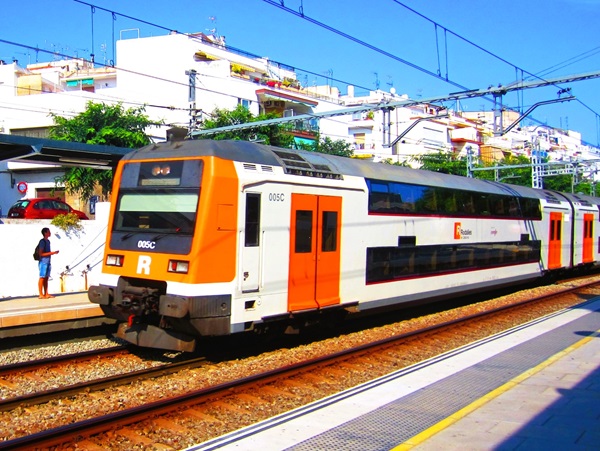
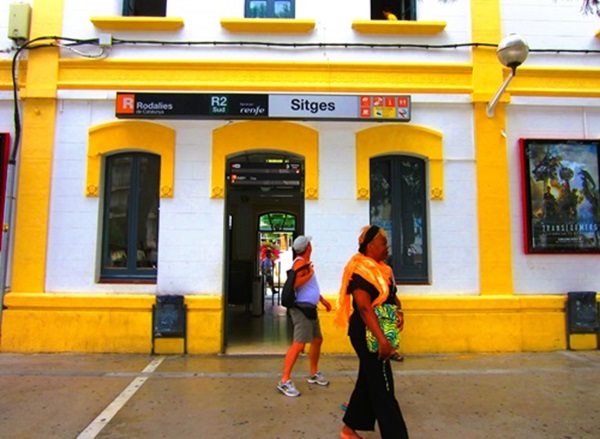
The tourist information counter was near to the train station. I just walked through those low houses and ended with the beach in from of me. 有路就走.
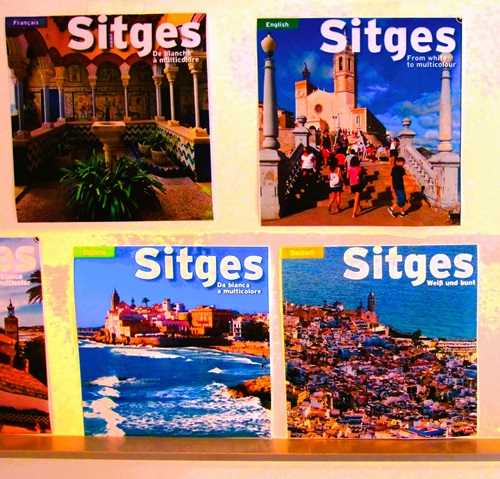
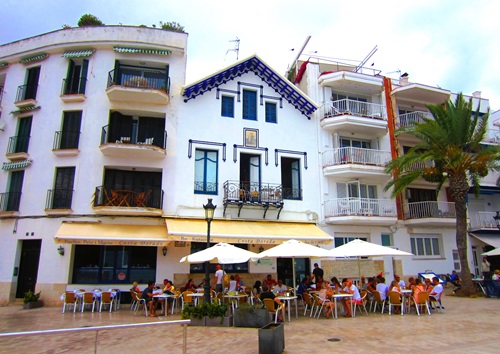
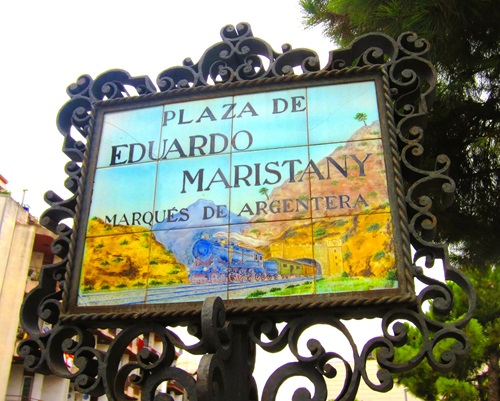
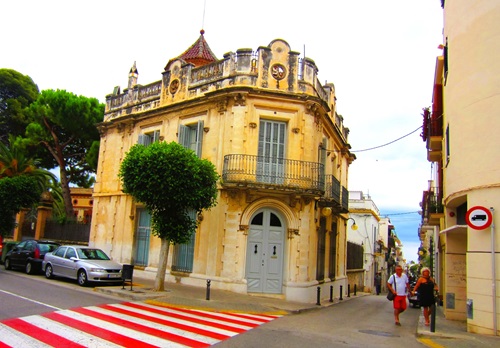
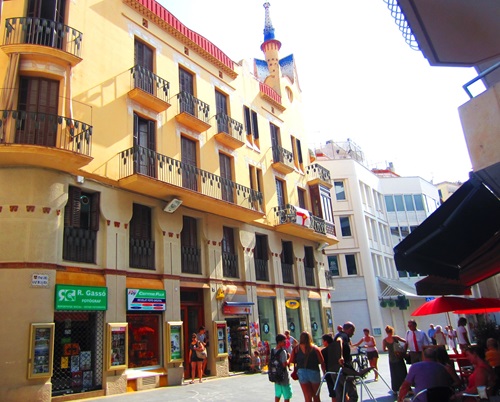
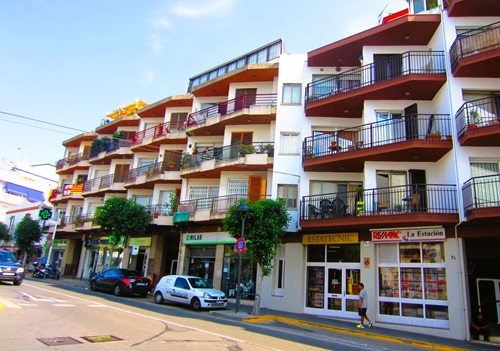
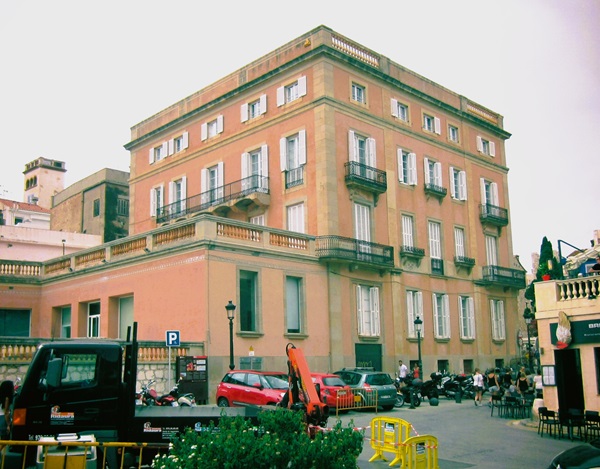
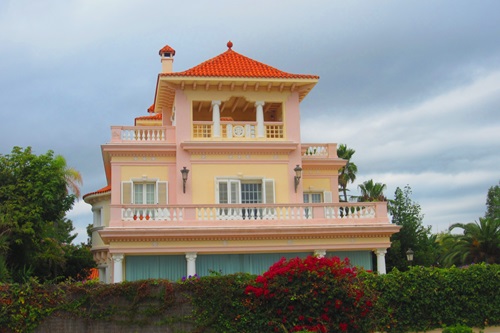
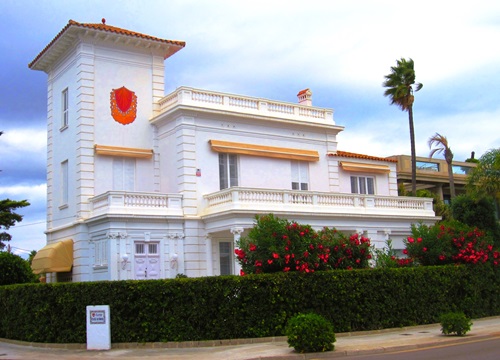
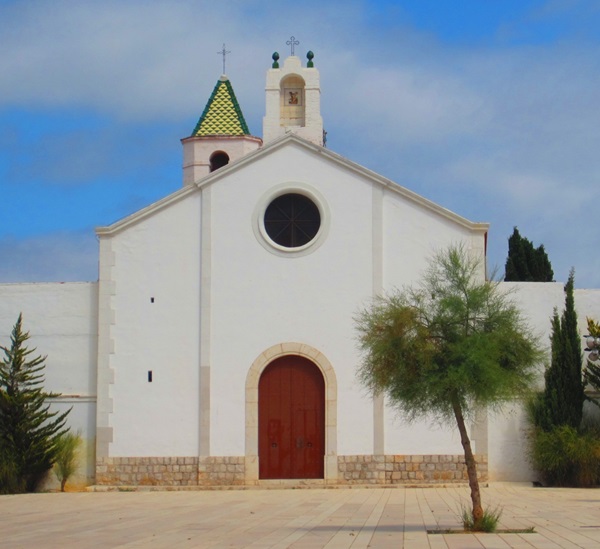
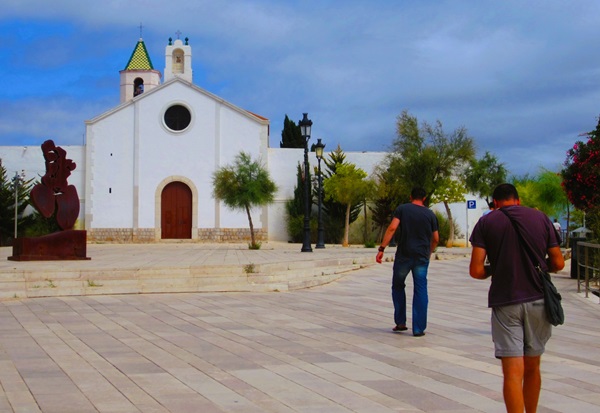
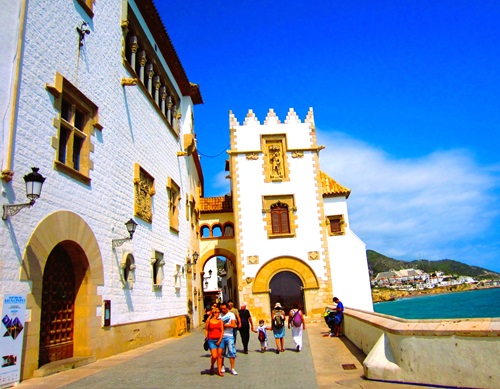
The Church of Sant Bartomeu & Santa Tecla is very impressive. I asked my dear friend Mr G and found that the church is locally known as La Punta or ‘The Point’ and this dates back to the 17th century. The church has a wonderful view of the nearby beach and surrounding town.
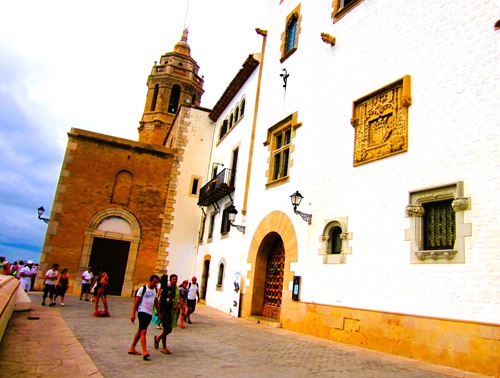
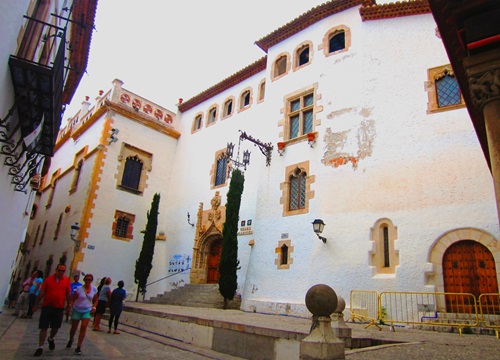
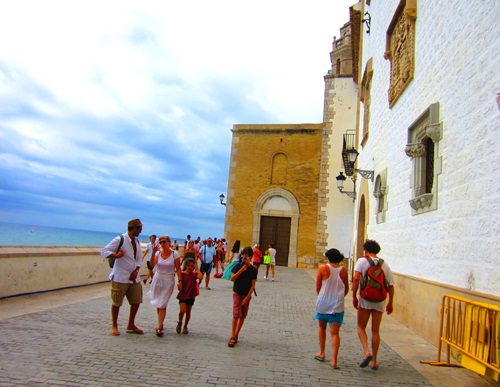
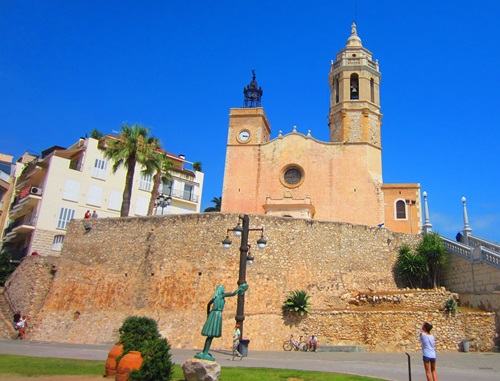
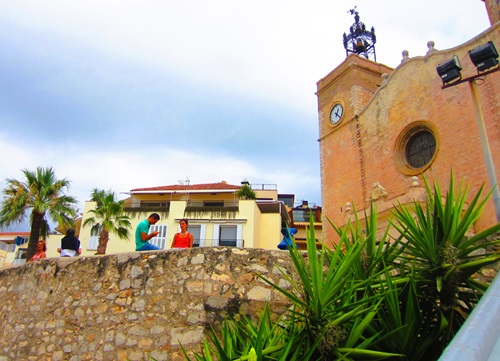
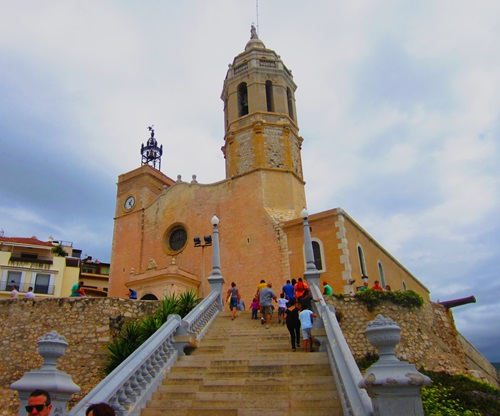
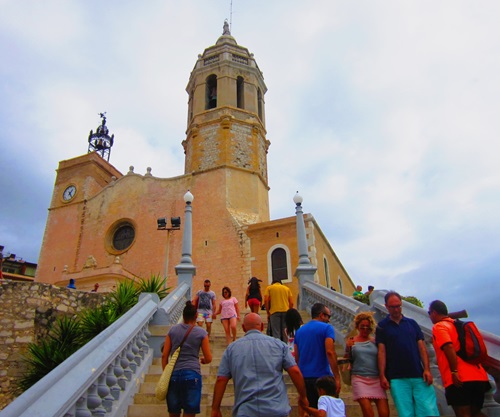
I walk and walk and ended up near the port.
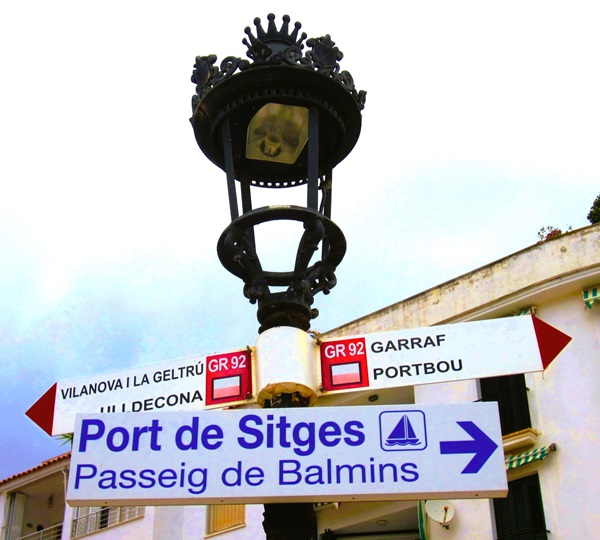
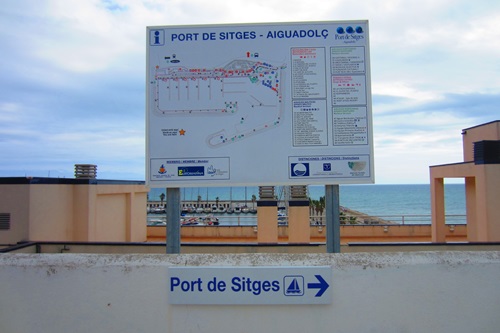
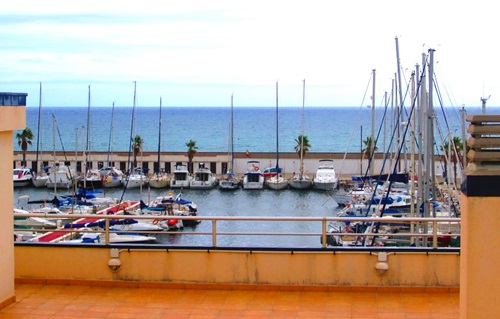
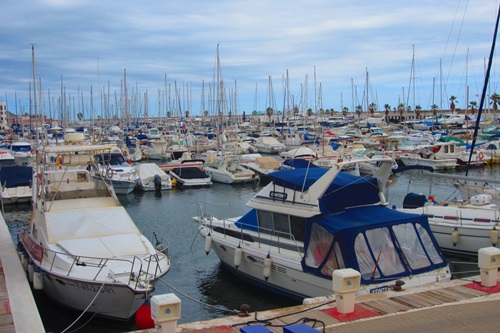
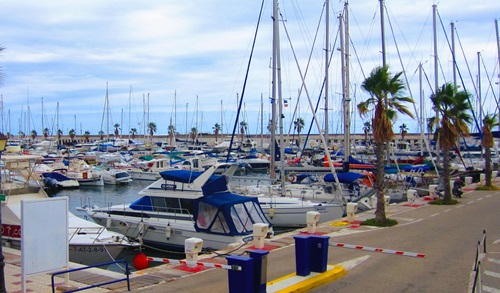
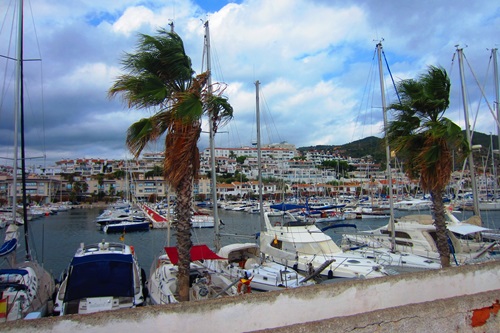

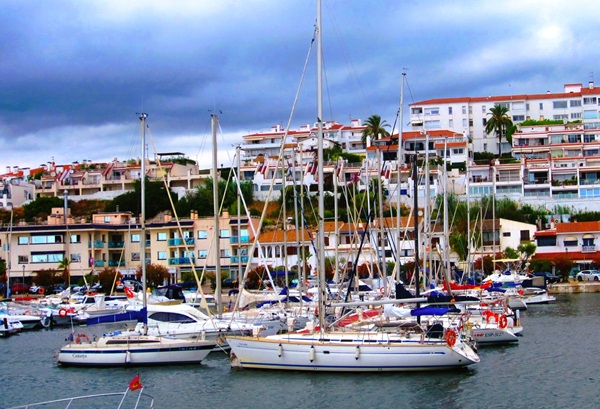
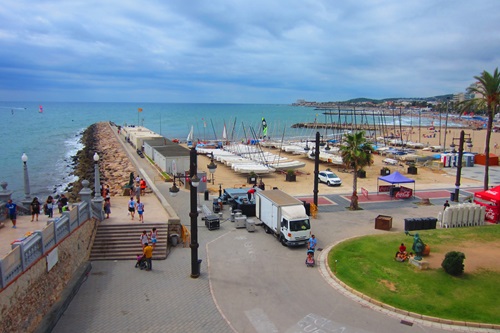
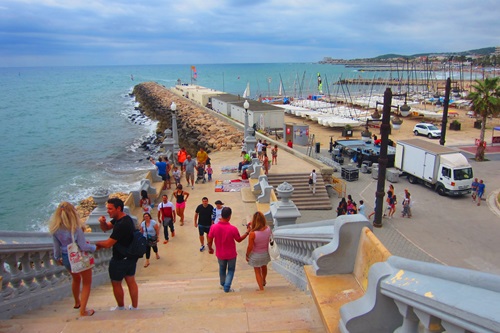
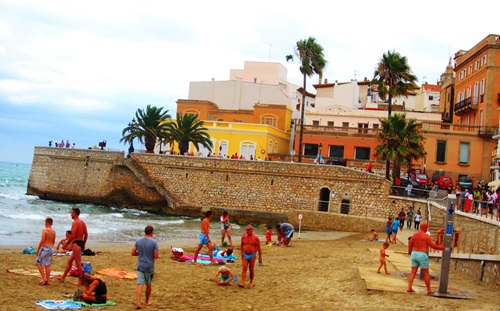
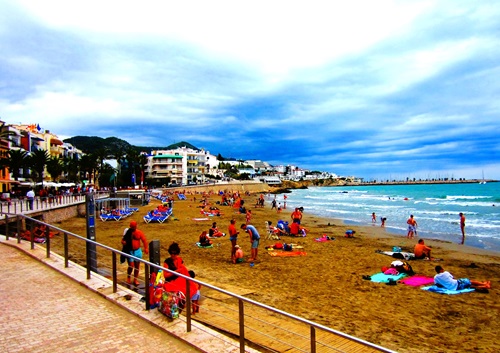
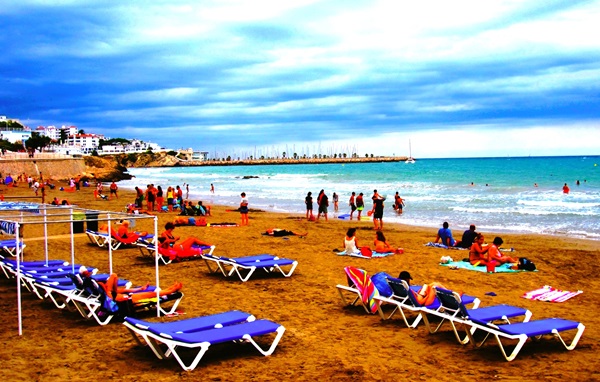
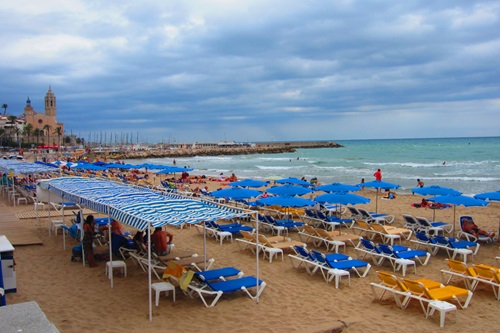
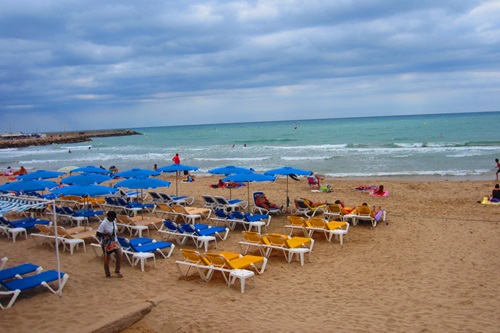
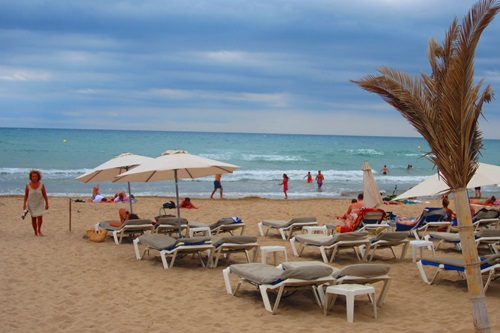
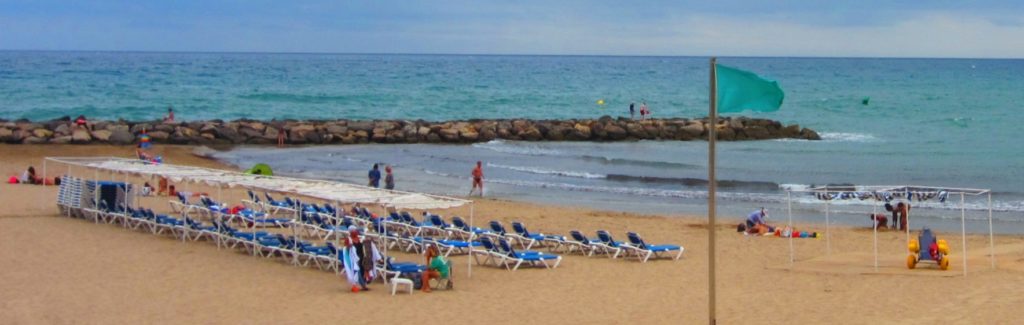
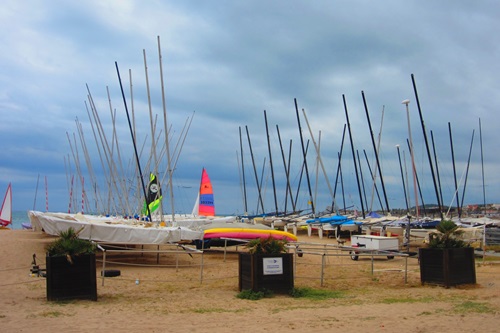
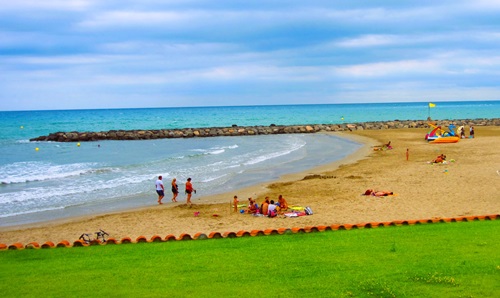
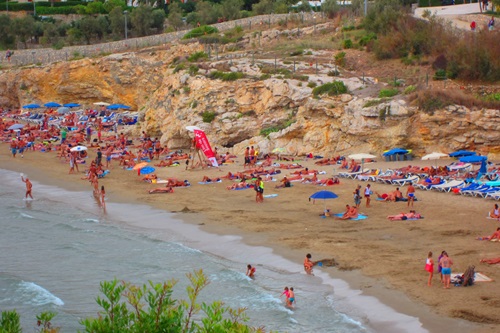
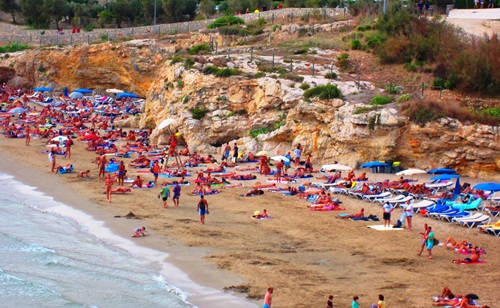
The San Sebastian Beach is right between Sitges’ old town and the port. Heard that this is a nude beach.
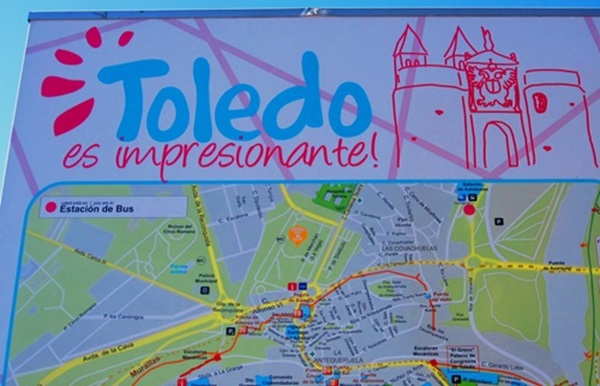
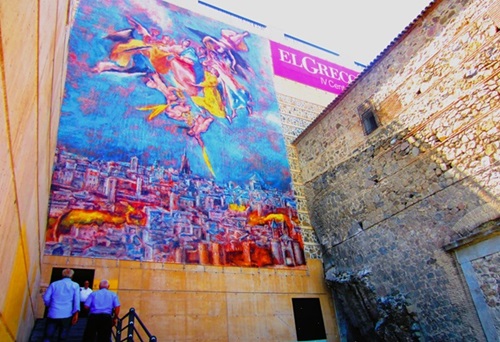
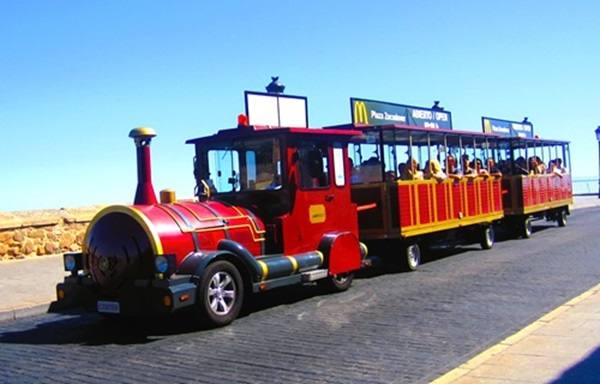
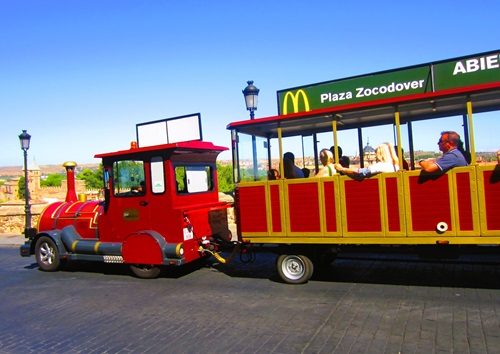
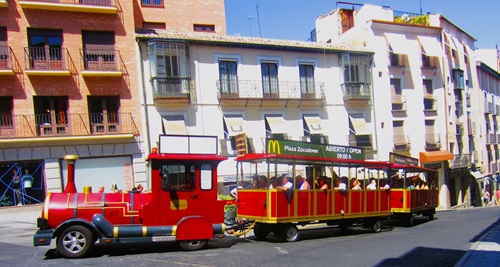
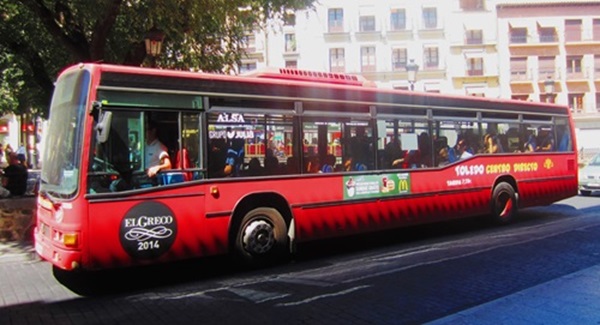
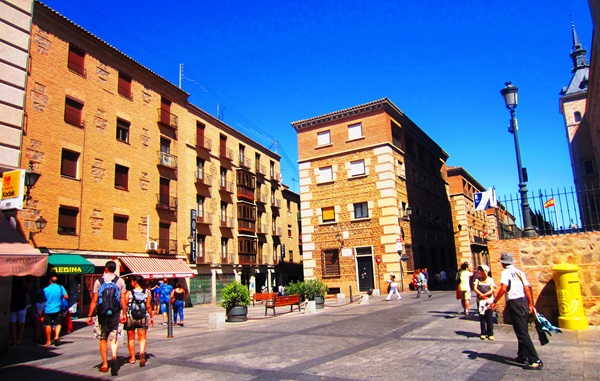
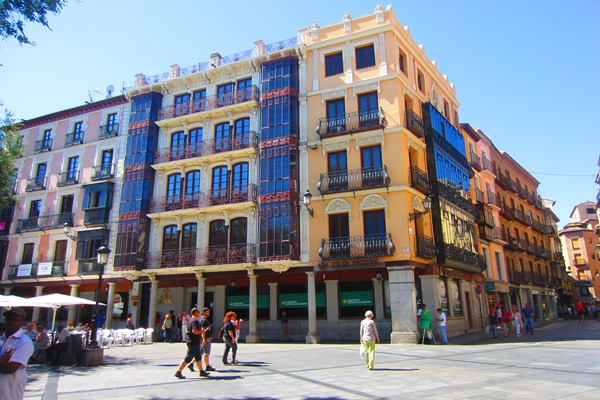
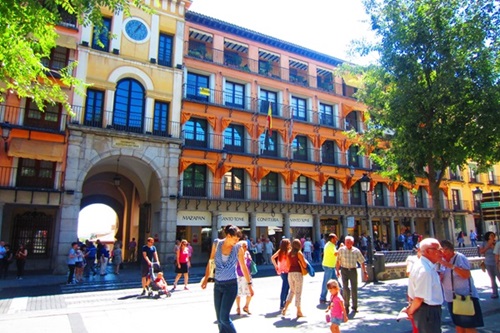
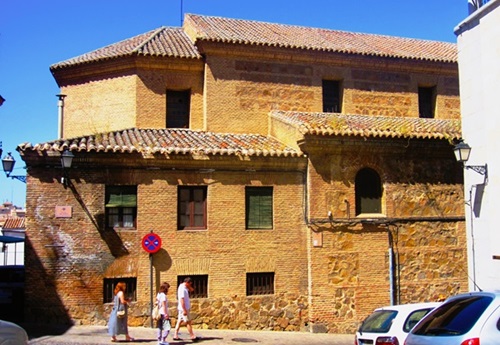
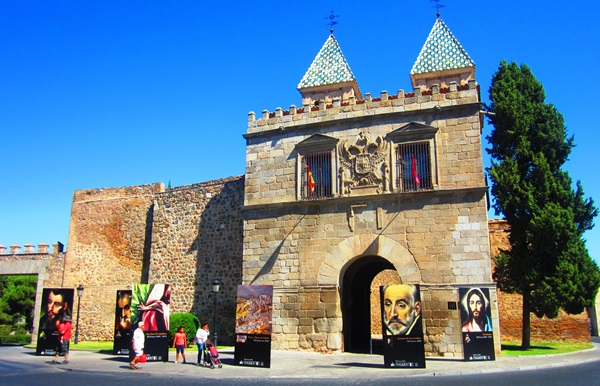
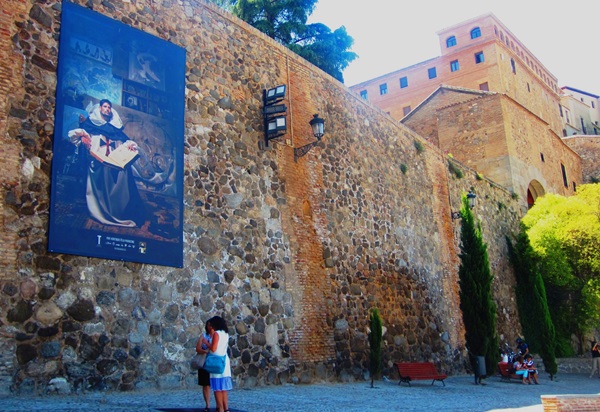
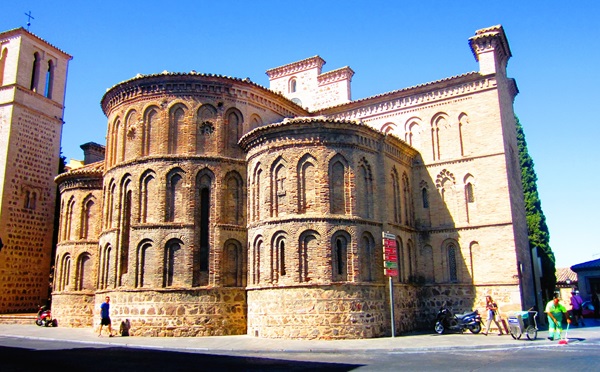
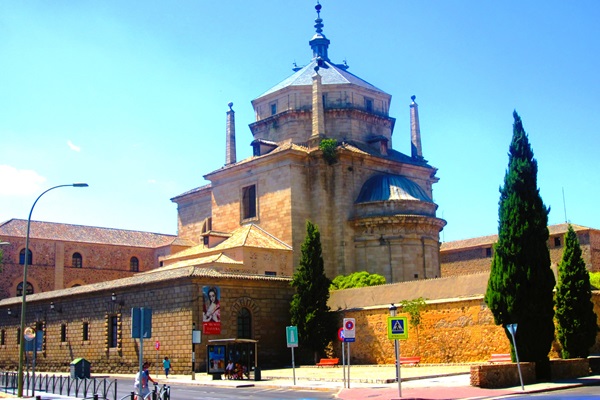
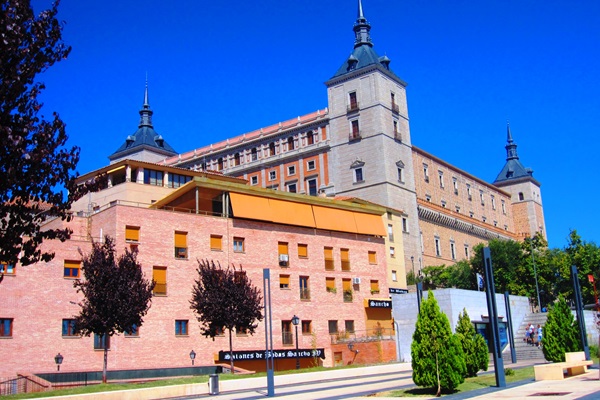
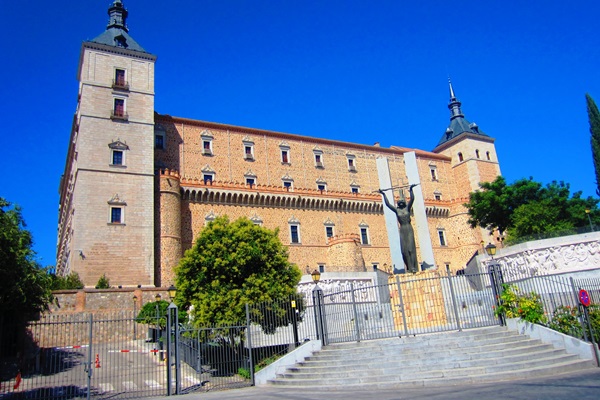
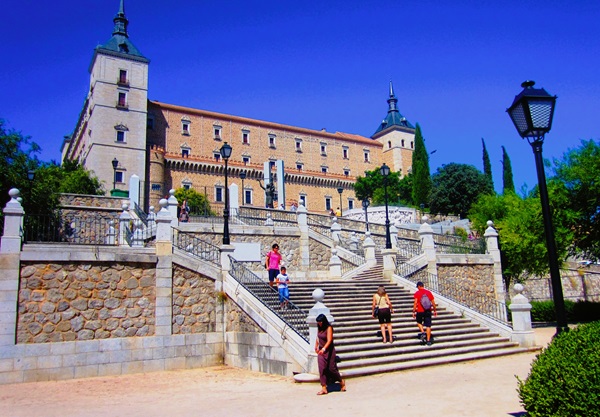
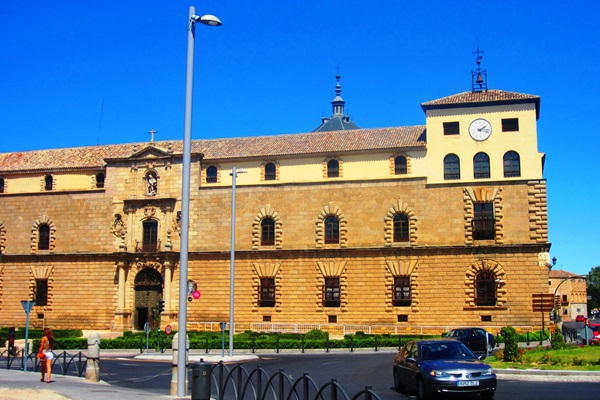
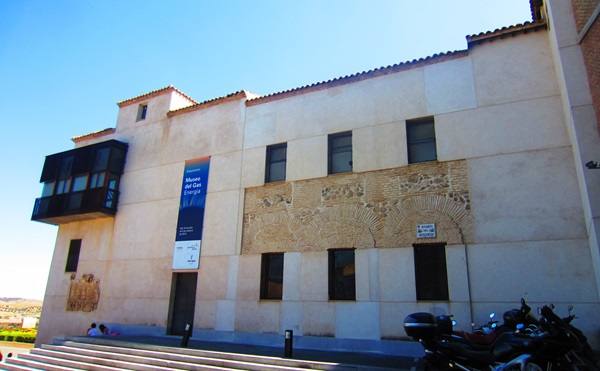
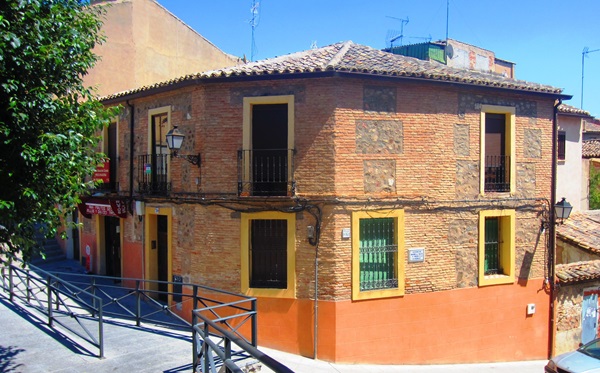
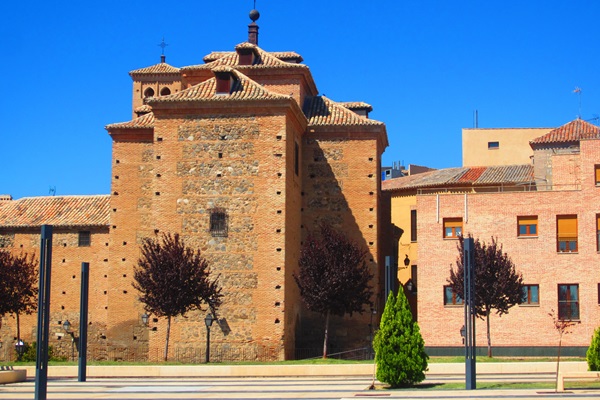
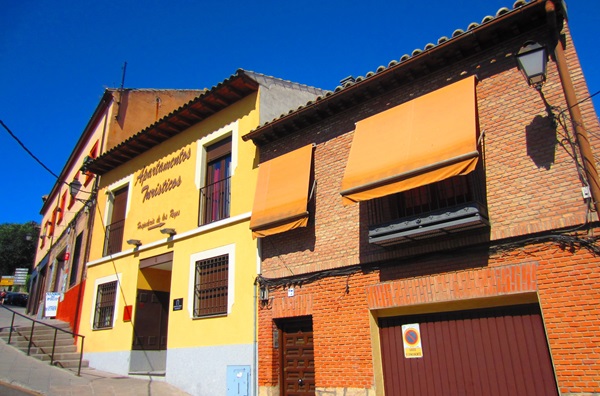
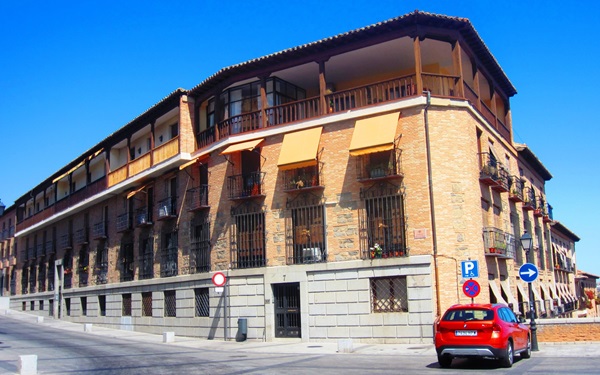
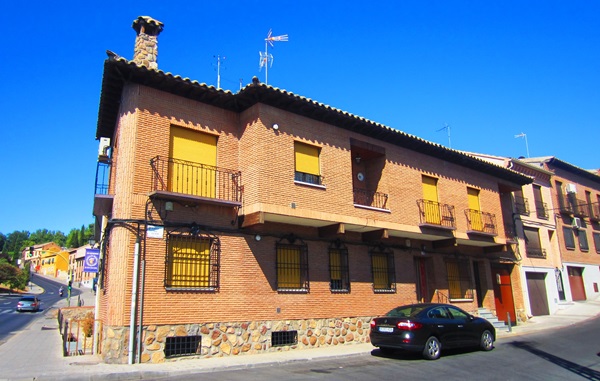
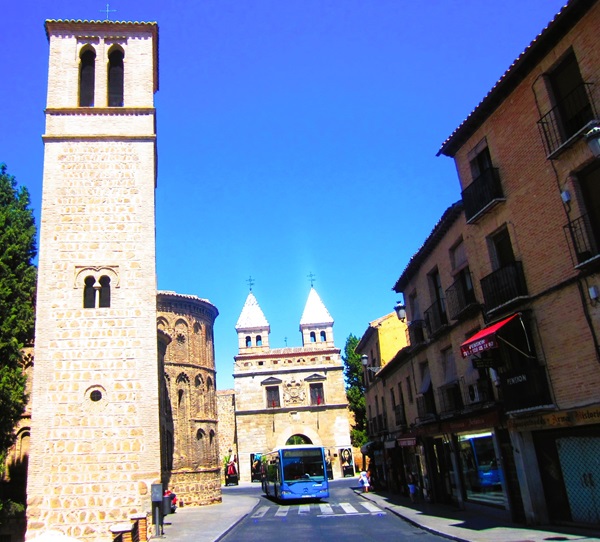
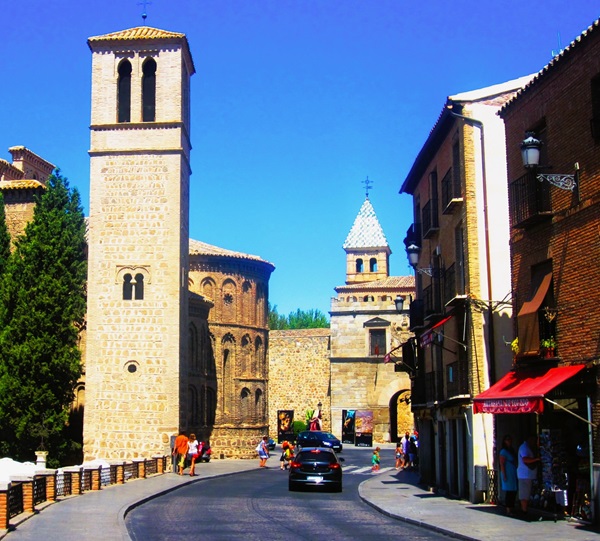
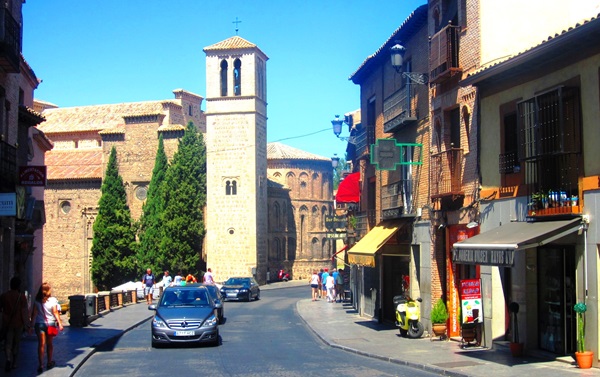
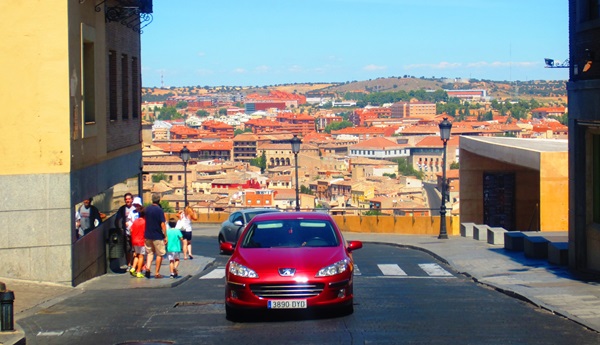
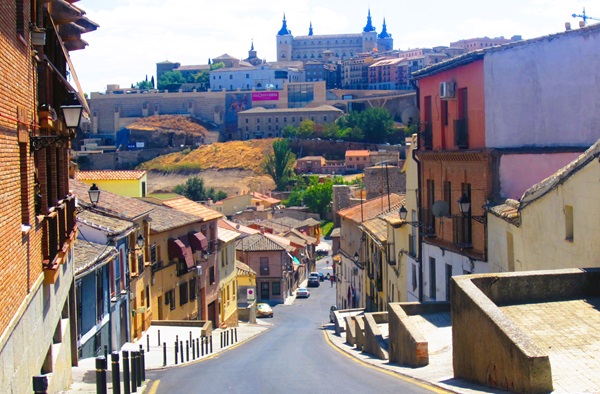
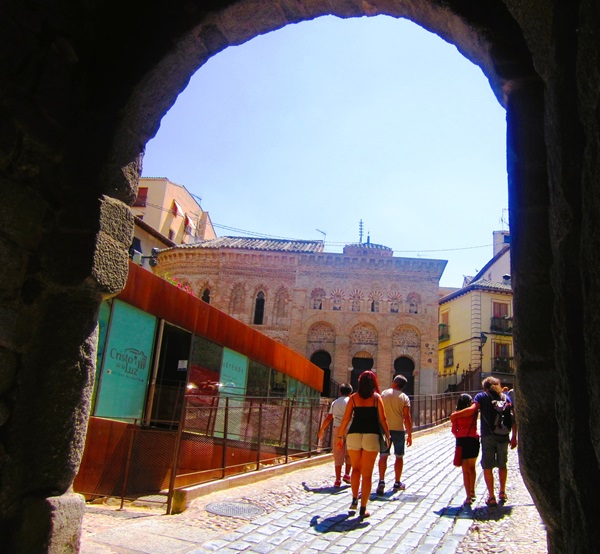
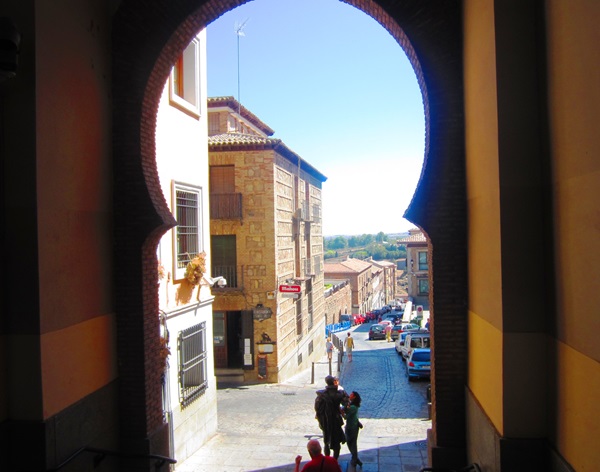
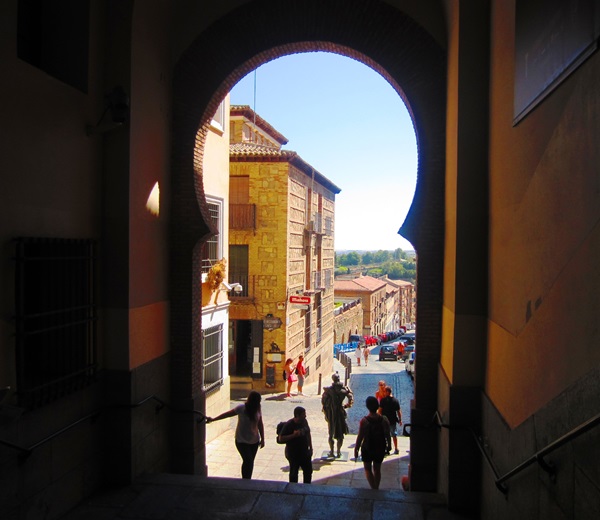
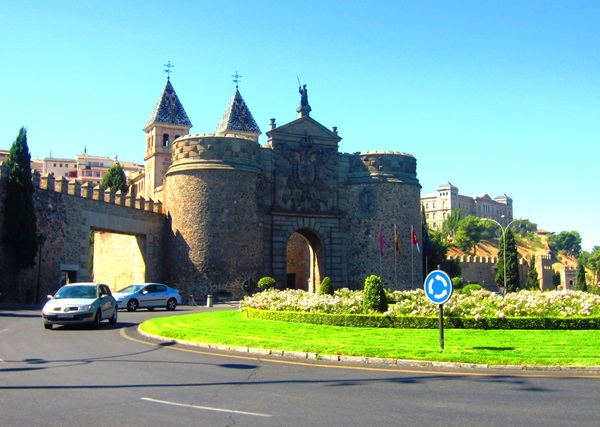
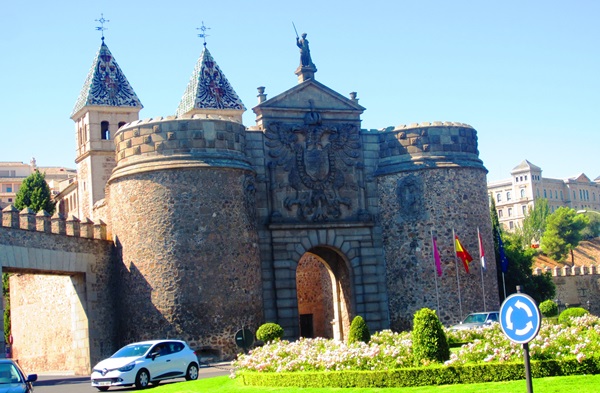
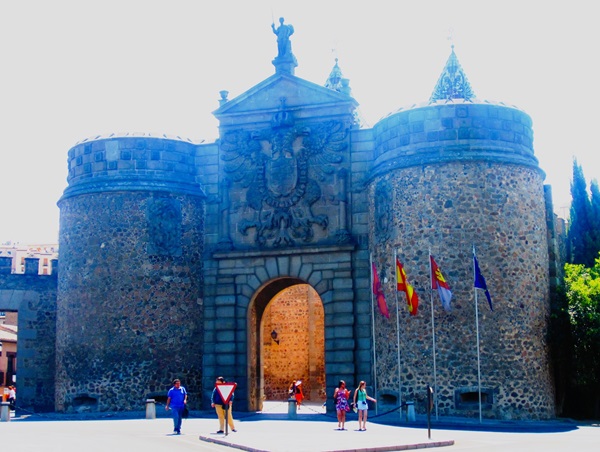
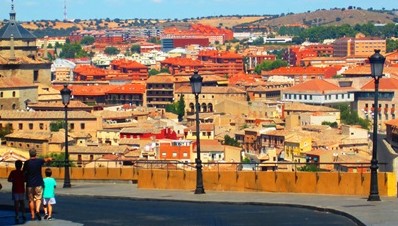
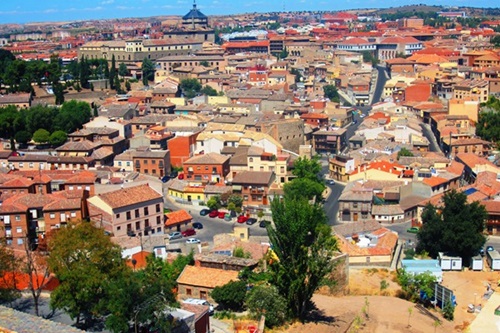
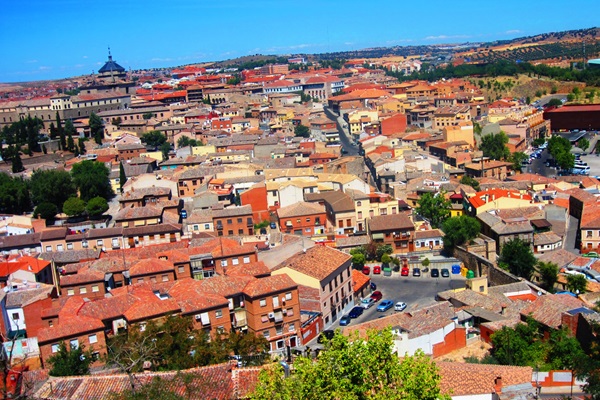
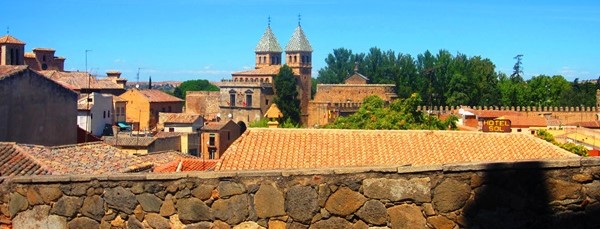
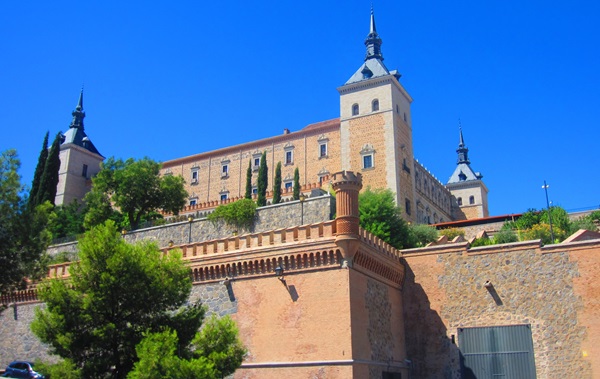
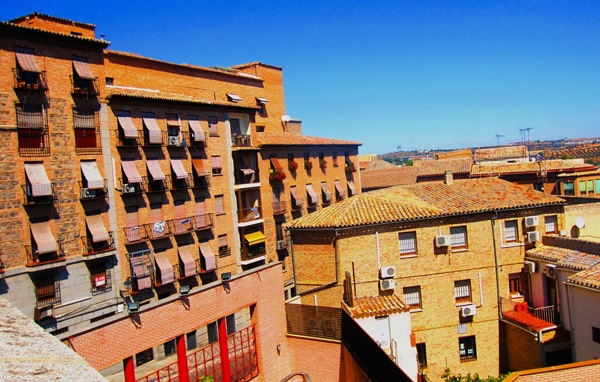
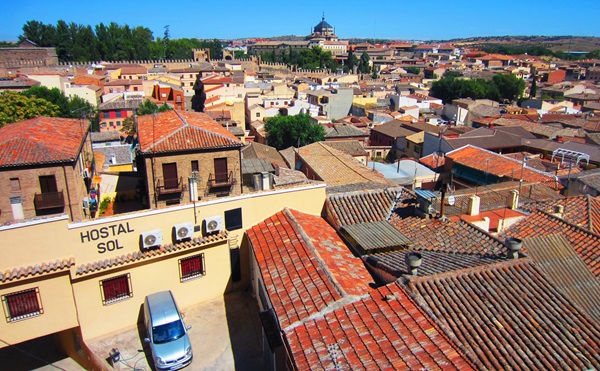
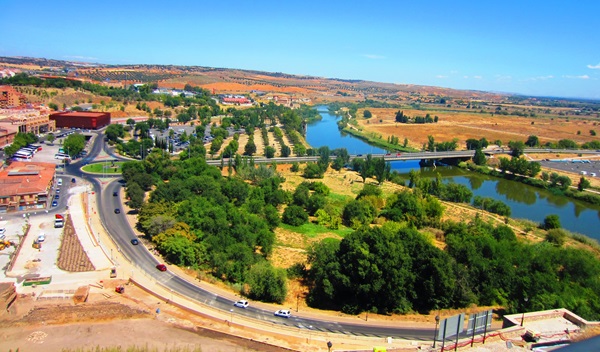
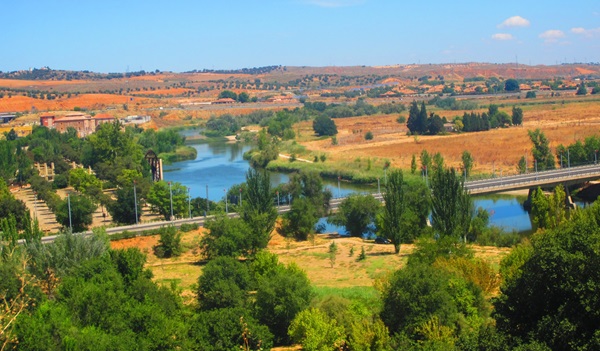
Toledo is an ancient city set on a hill above the plains of Castilla-La Mancha in central Spain.
I took the bus from Madrid to Toledo. The travel time is about an hour more. I got lost after touring the place as I couldn’t find the bus terminal. The road was quite empty and there was no one to ask for direction. After some walking ups and downs, I managed to find the bus terminal and took the bus back to Madrid.
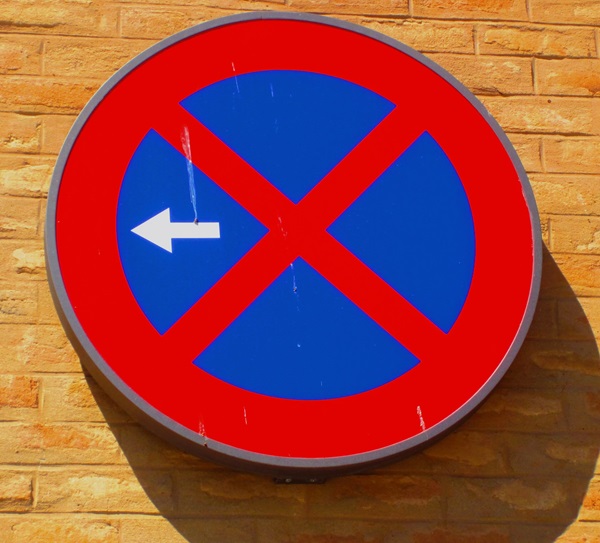
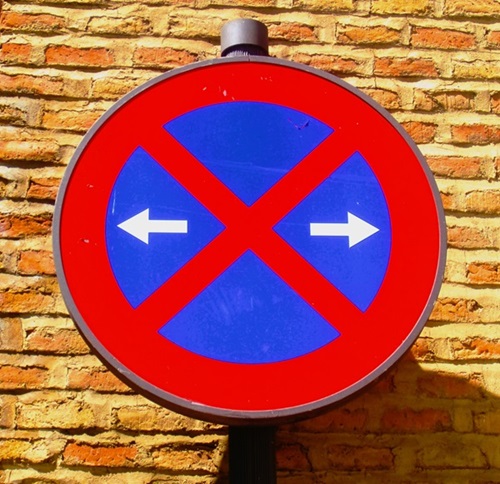
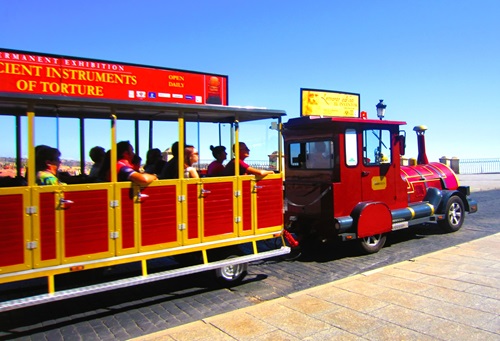
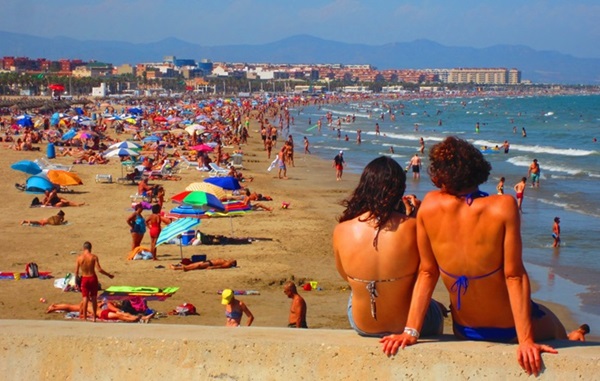
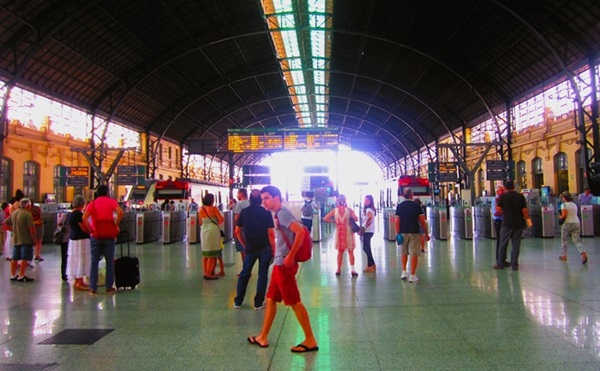
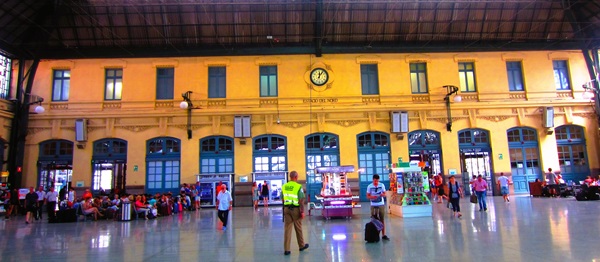
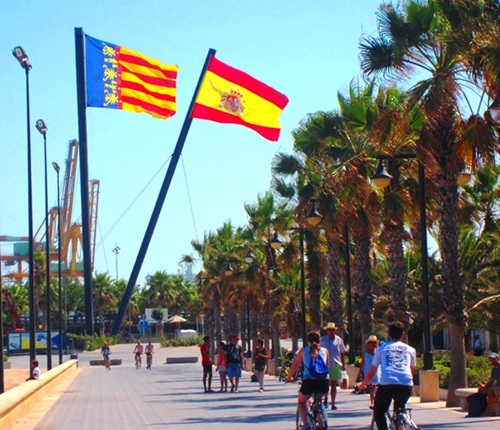
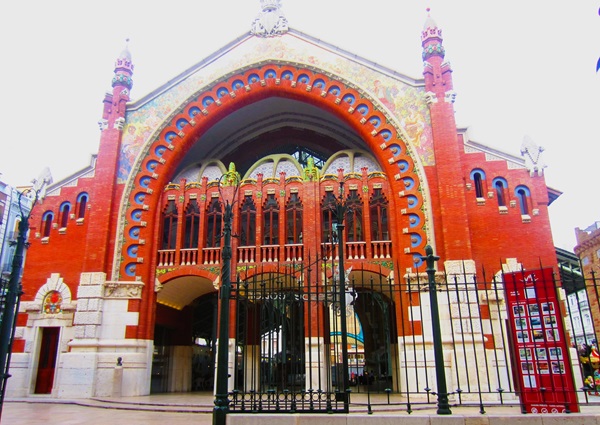
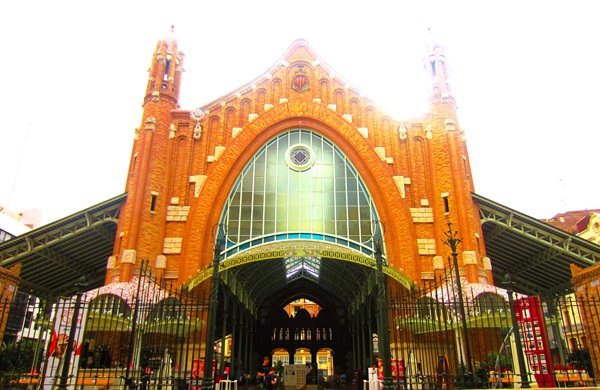
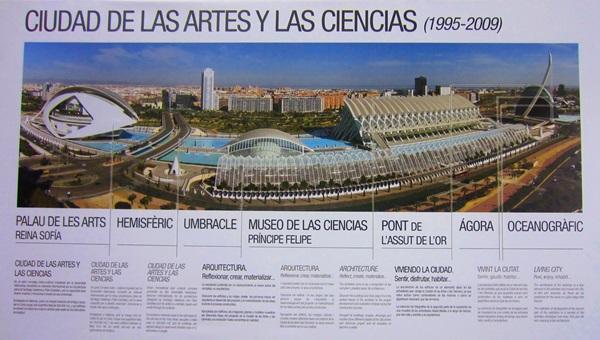
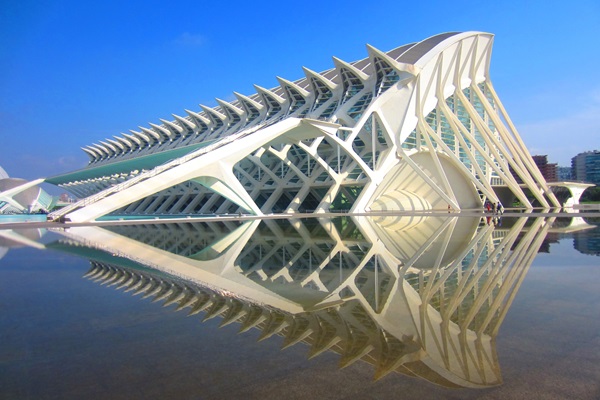
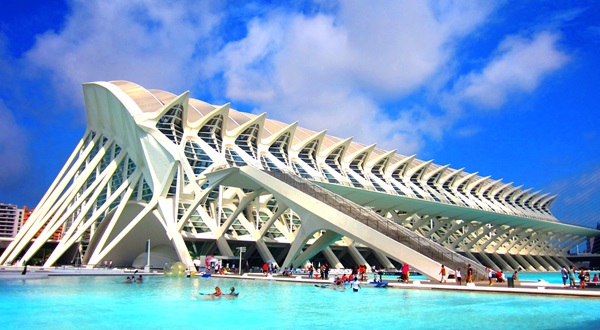
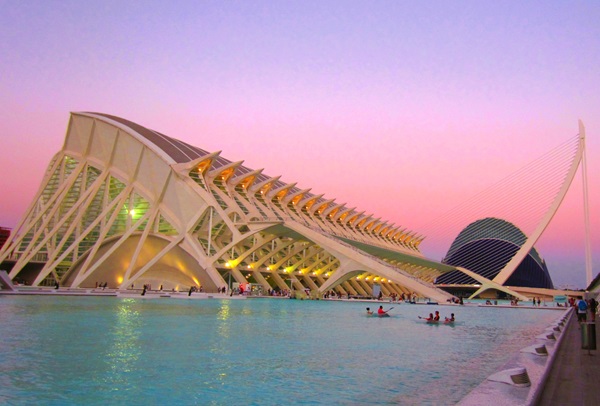
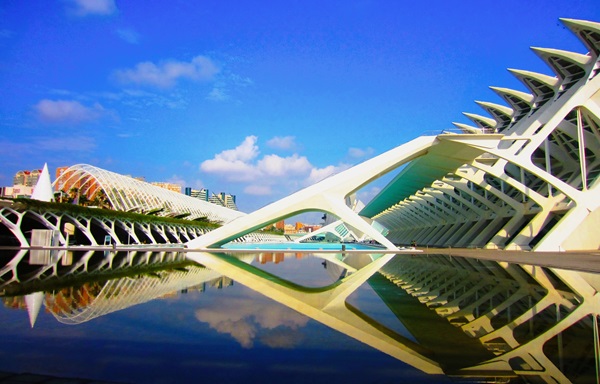
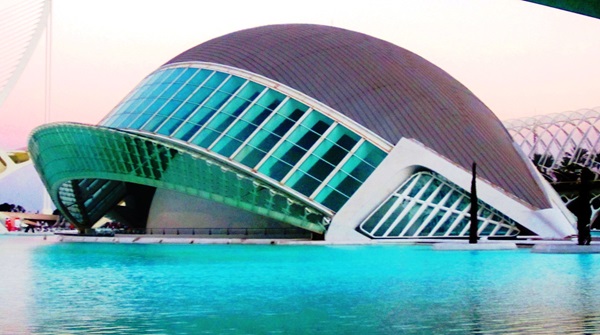
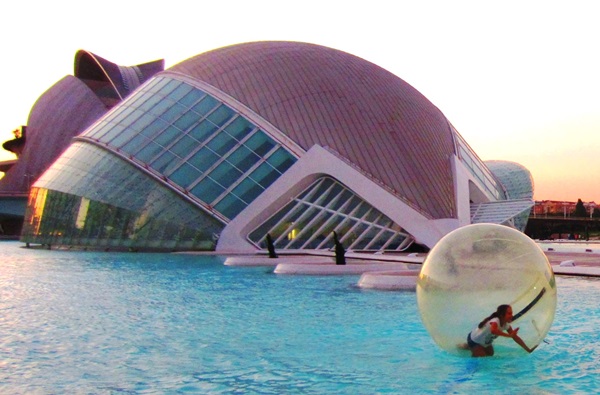
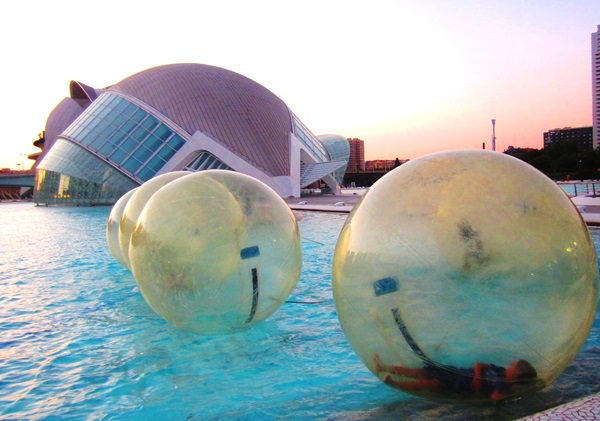
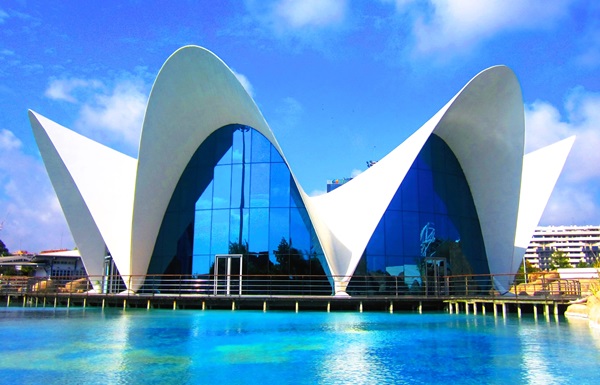
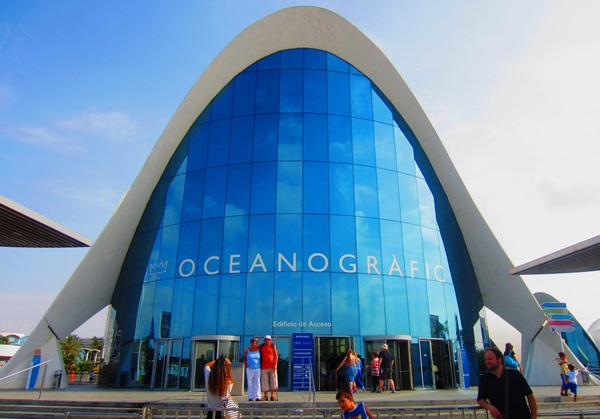
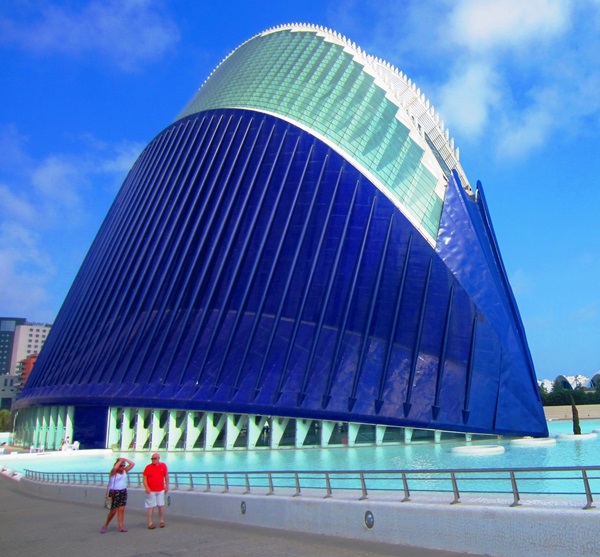
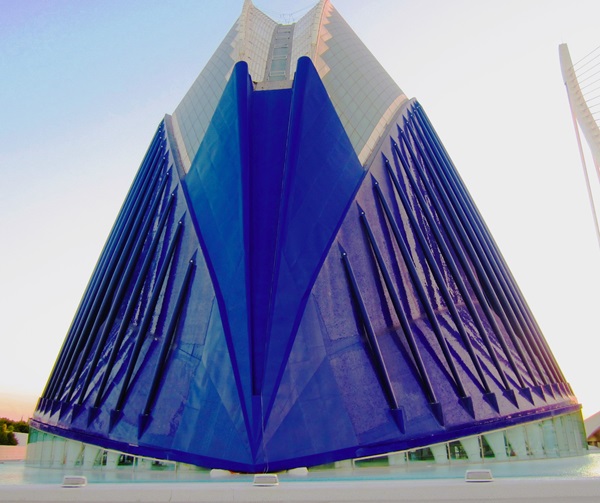
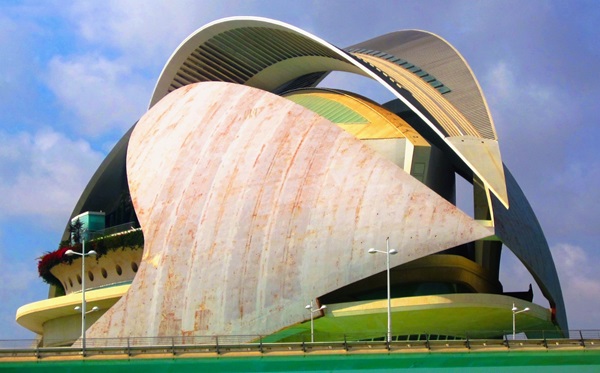
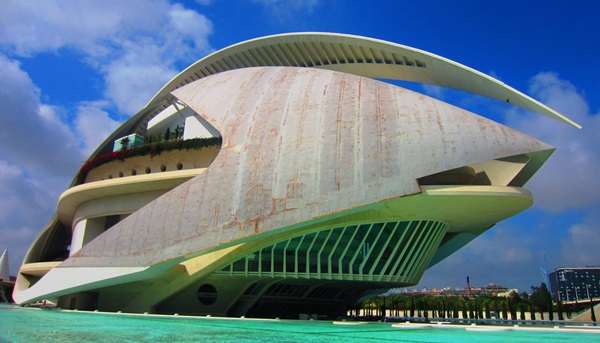
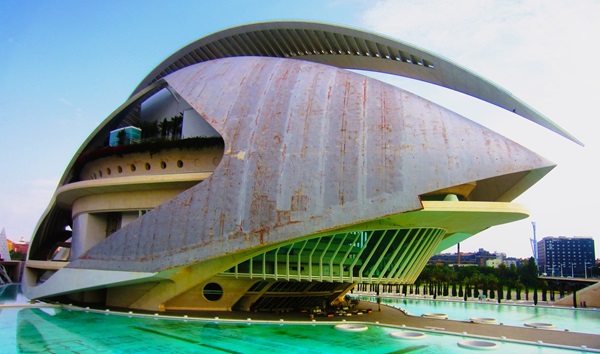
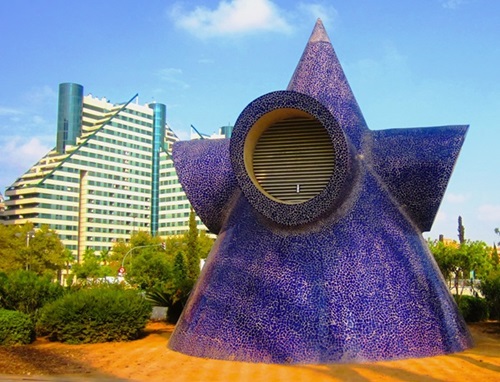
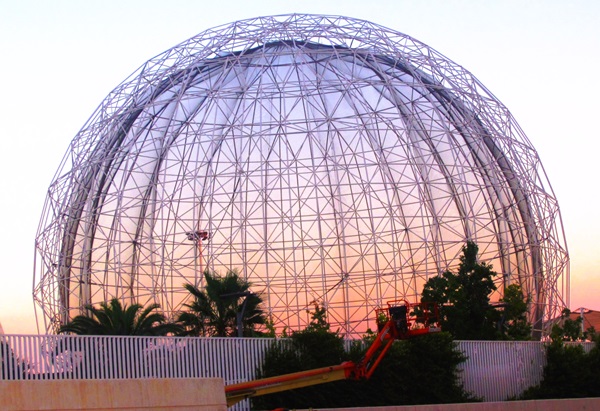
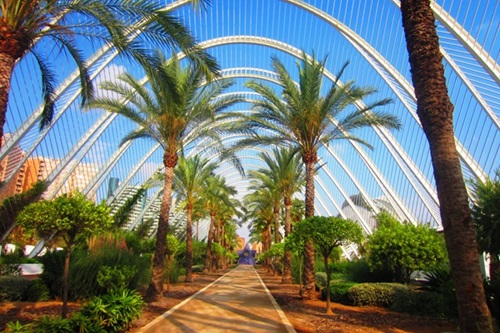
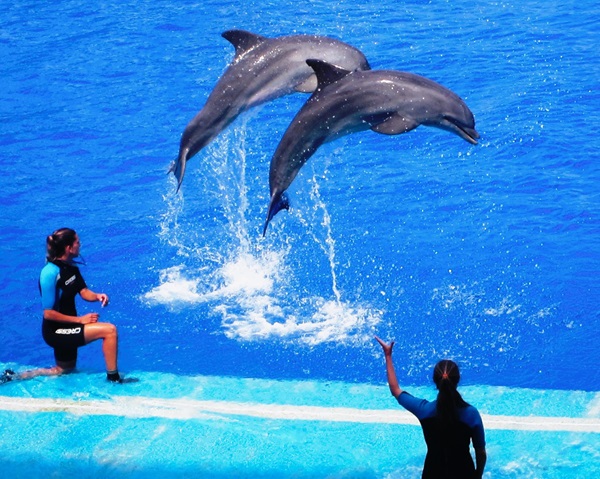
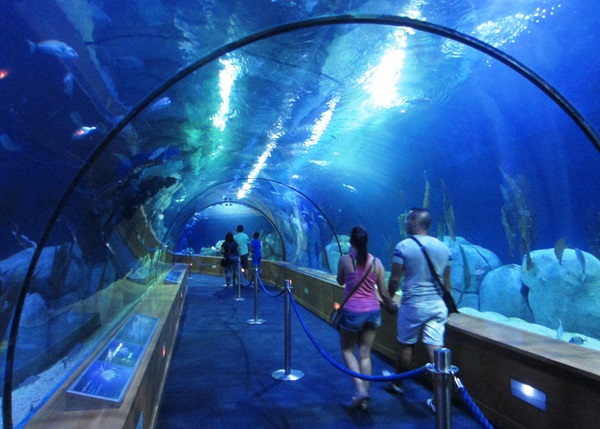
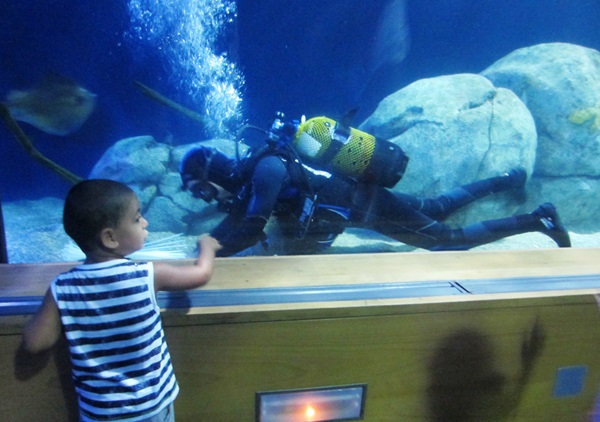
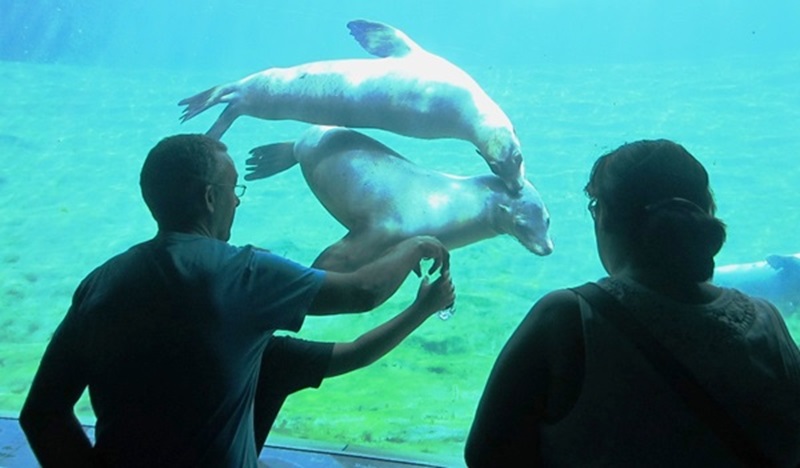
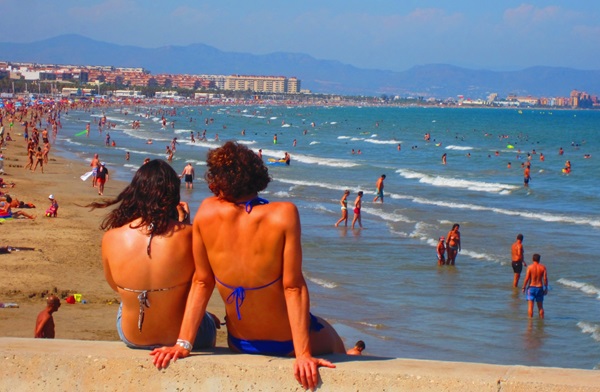
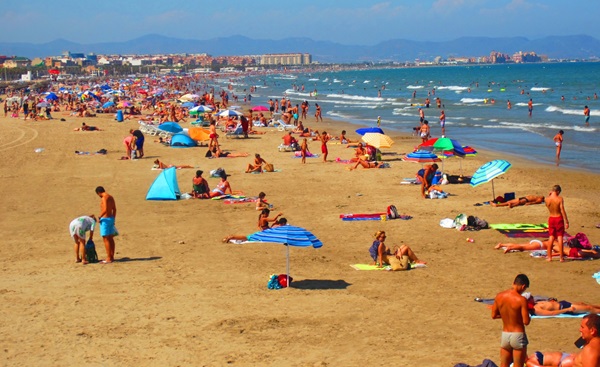
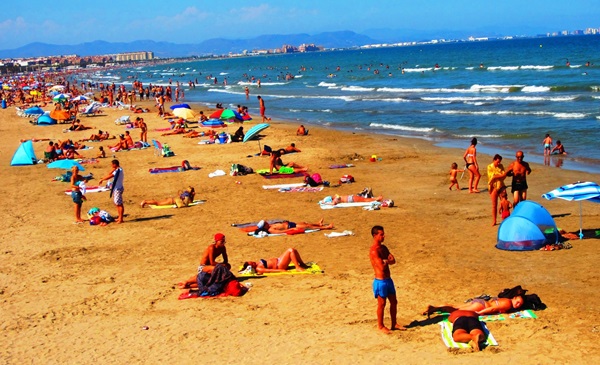
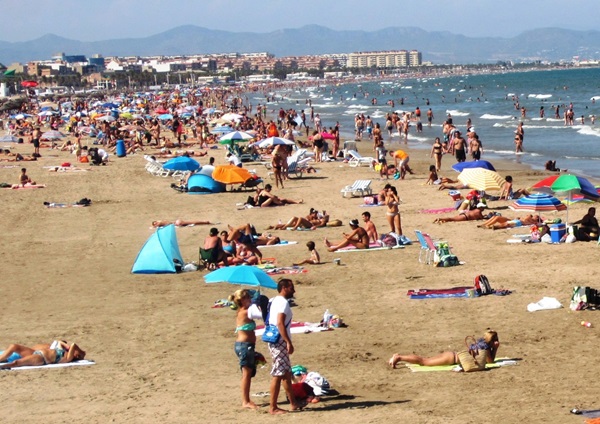
If you do come to Valencia, you must visit the City of Arts and Sciences as the place is very impressive. The Oceanogràfic is the biggest aquarium in Europe. The Hemisfèric is a digital 3D cinema with a huge 900 meter concave screen. The Science Museum offers different interactive exhibitions about science and technology. The Palau de les Arts is the place for performance of operas, concerts, zarzuela and ballet. The Umbracle is a huge, open-access garden. Moreover, there is the busy topless beach which you could tan yourself under the hot summer sun.
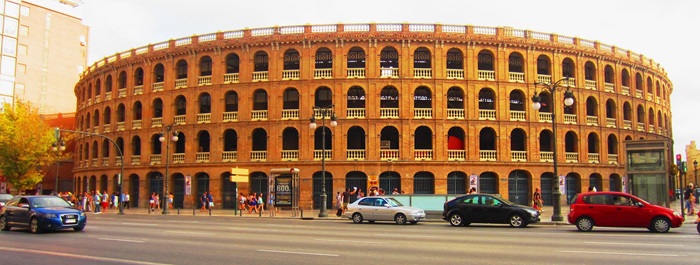
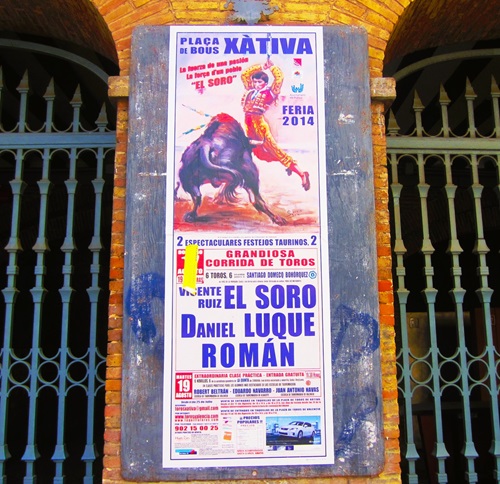
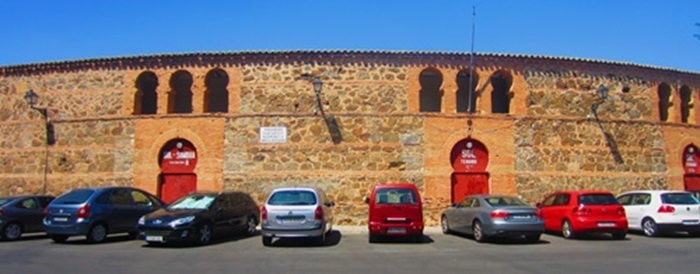
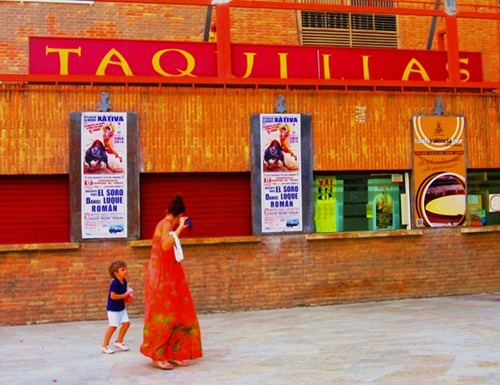
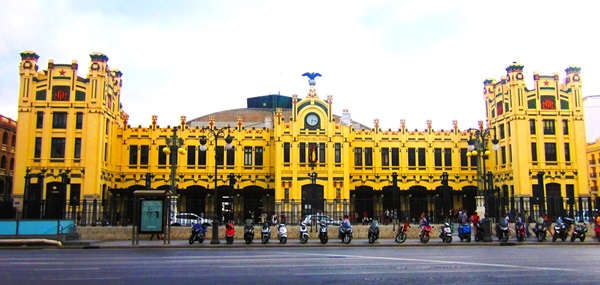
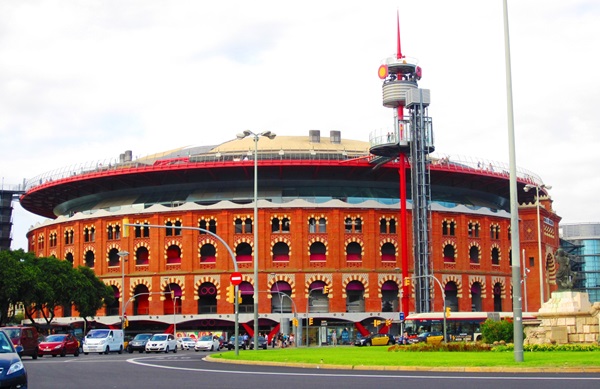
The bullring inValencia

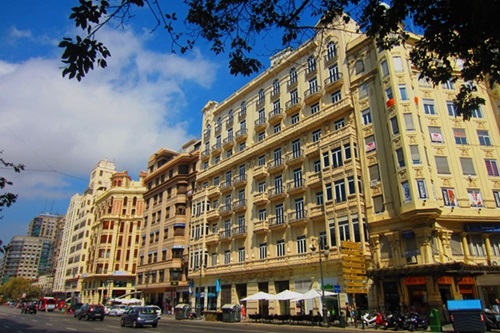
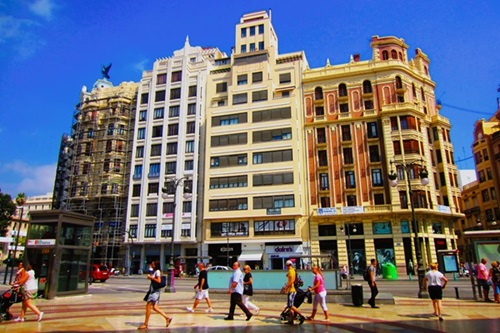
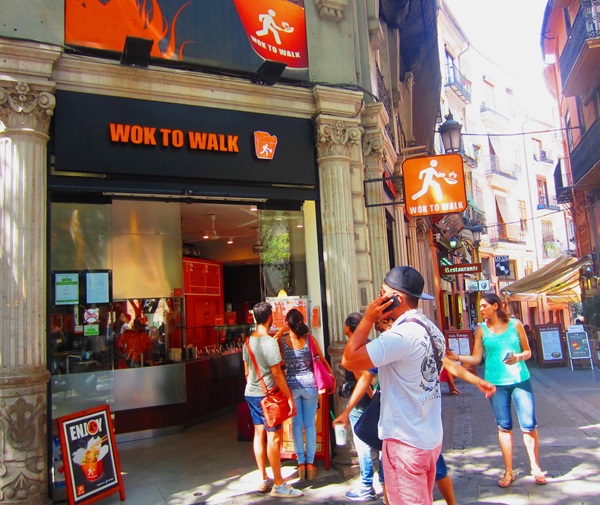
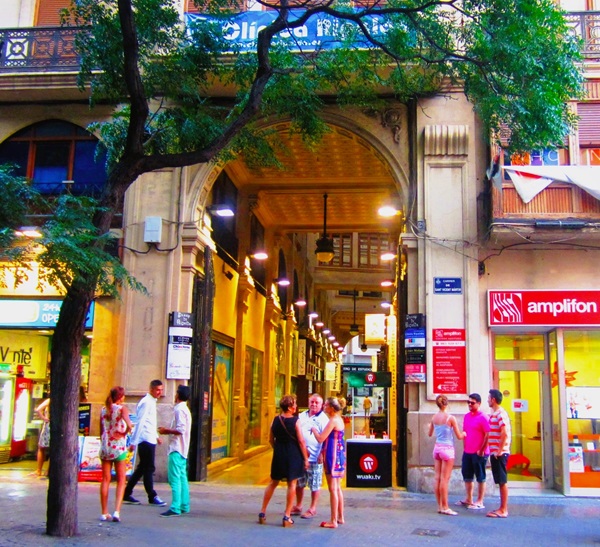
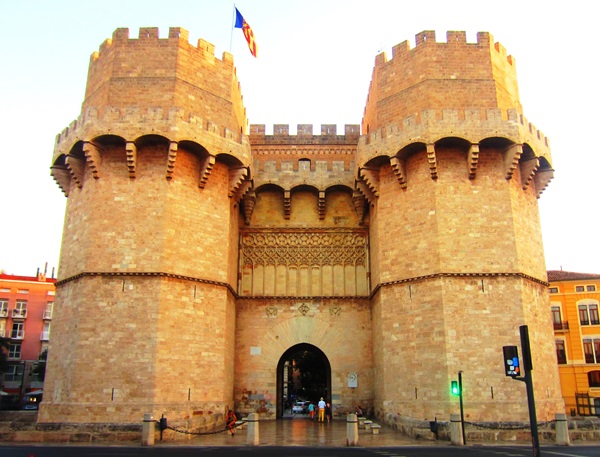
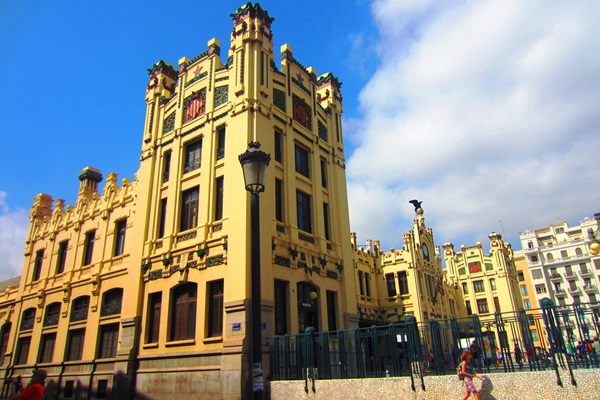
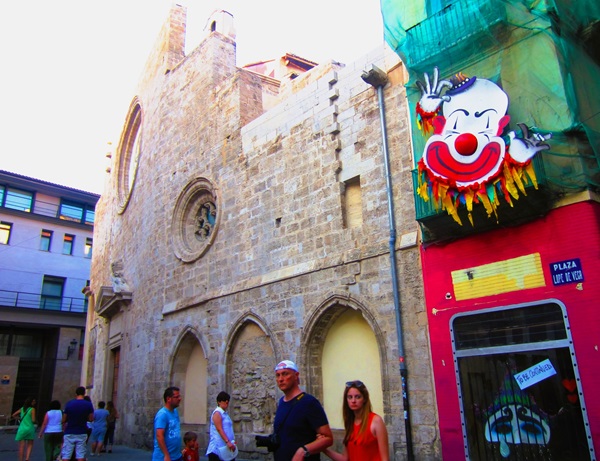
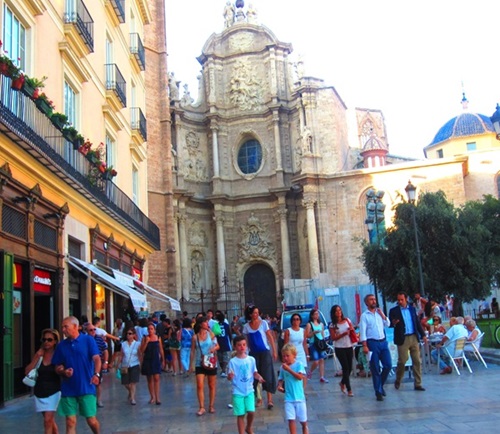












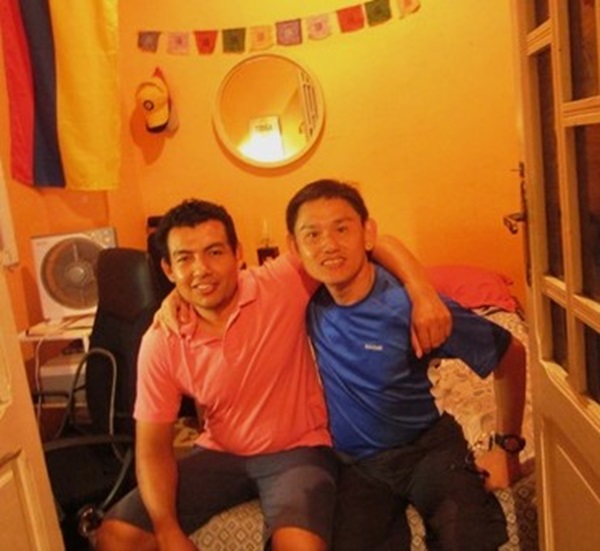
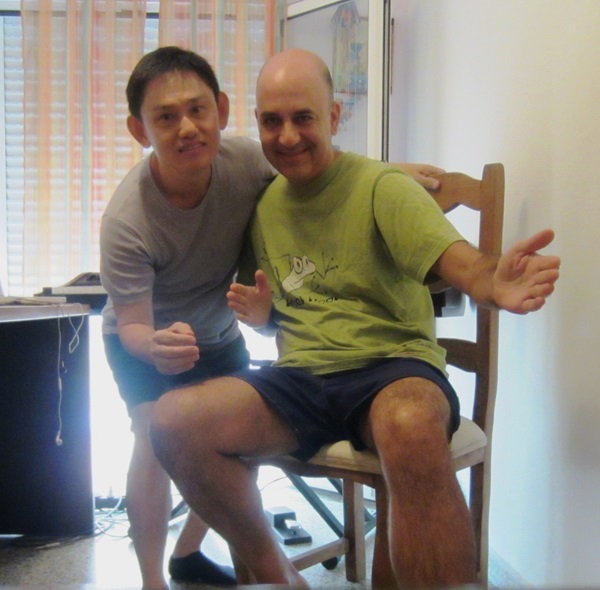
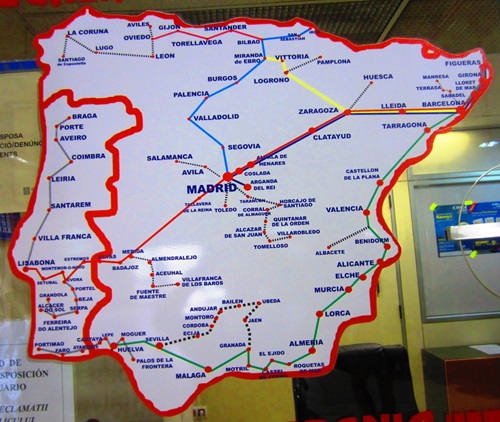
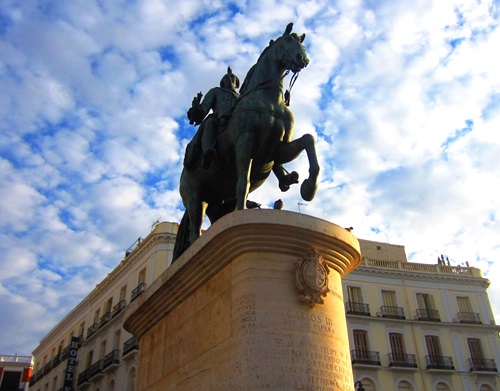
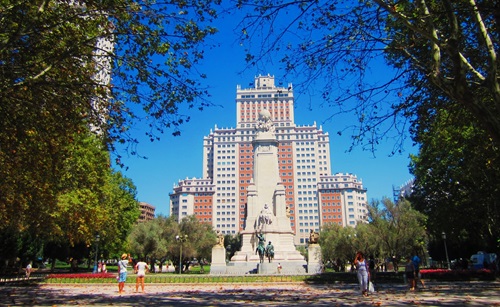
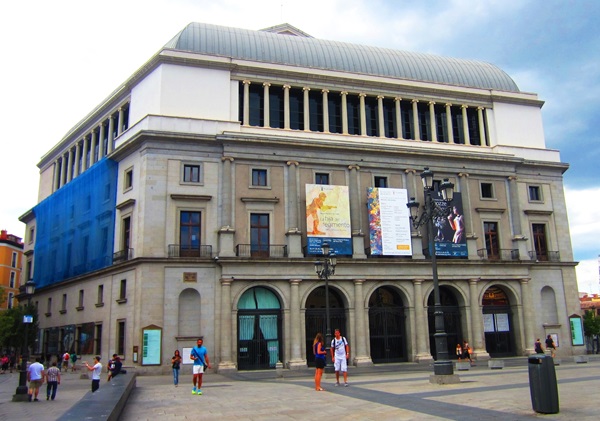
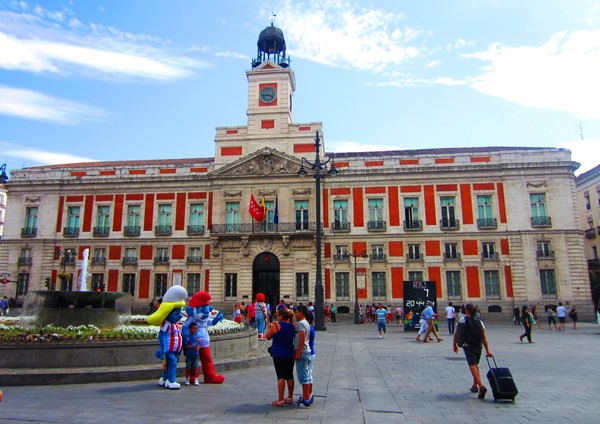
I took the bus from Barcelona to Madrid. Madrid is the Capital of Spain and it is situated in the center of the country. This is a city where you can walk and explore the interesting places without taking the bus or train.
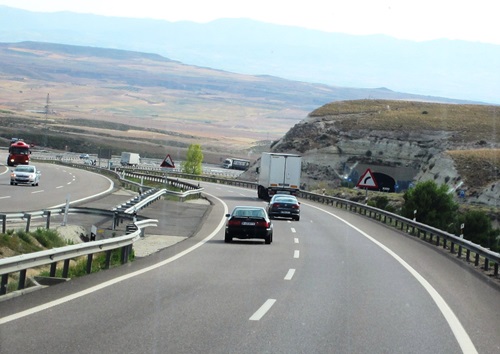

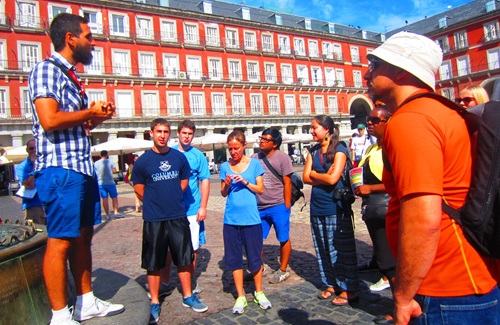
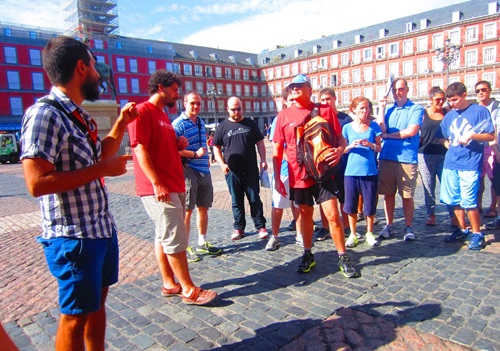
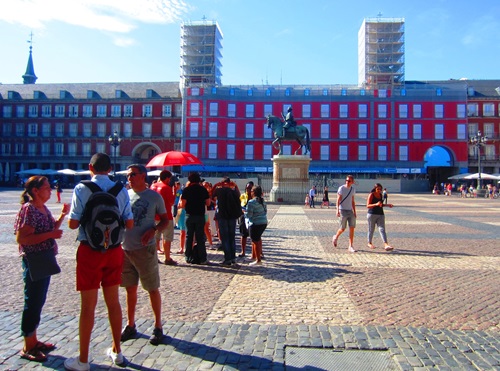
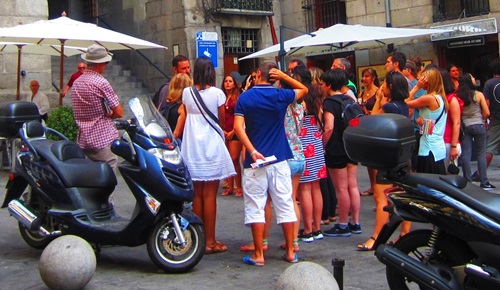
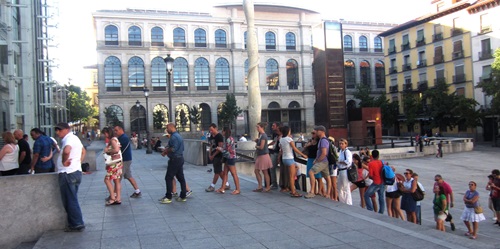
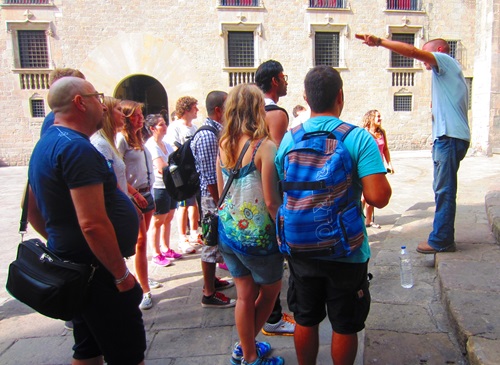
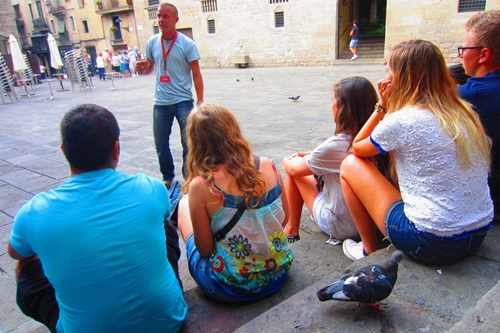
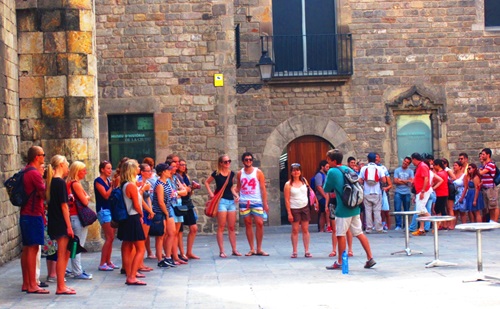
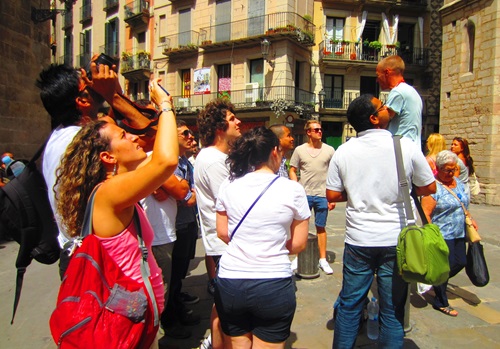
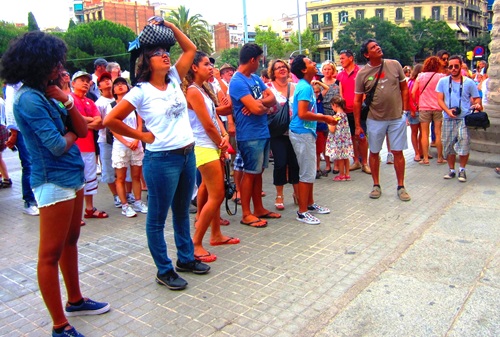
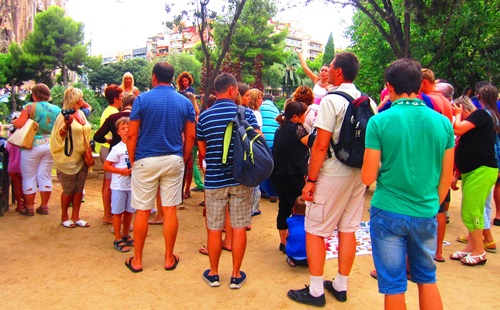
I joined the free walking city tour when I was in Madrid.
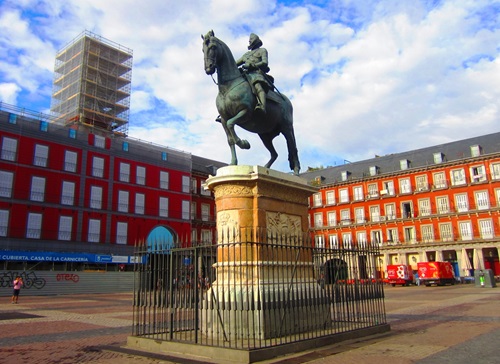
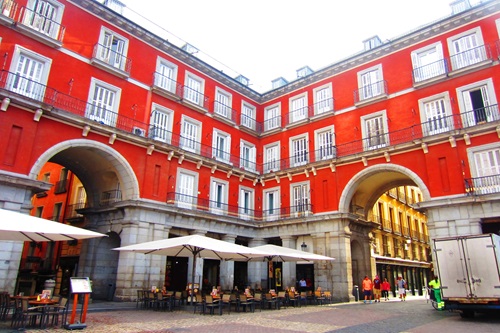
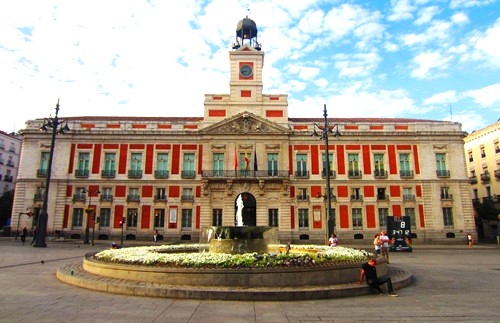
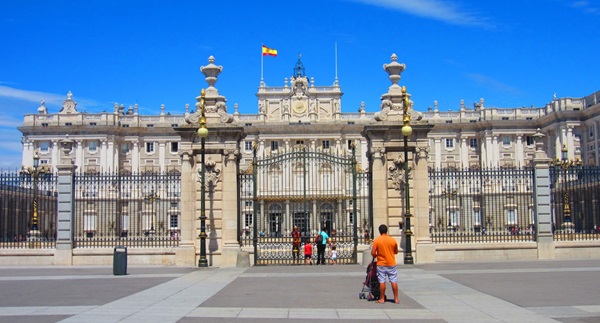
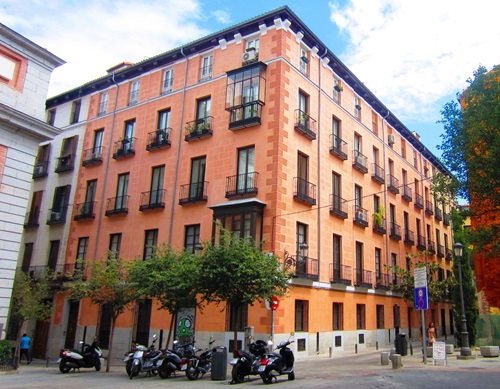
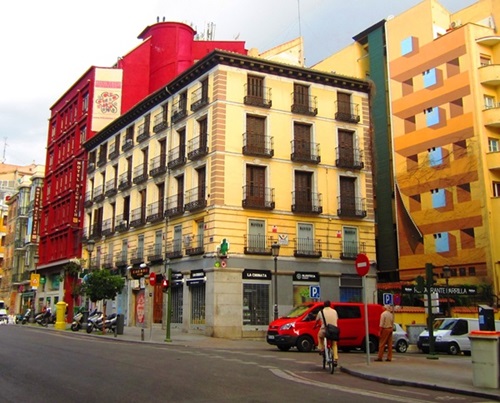
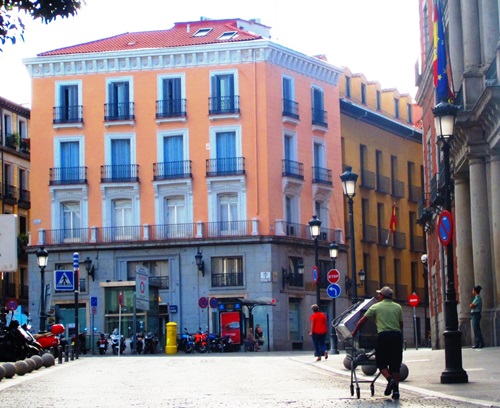
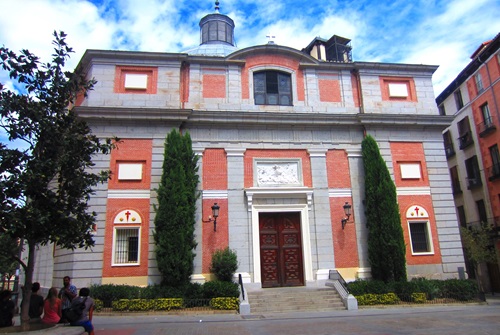
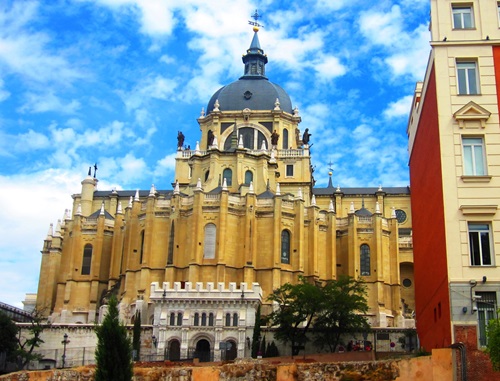
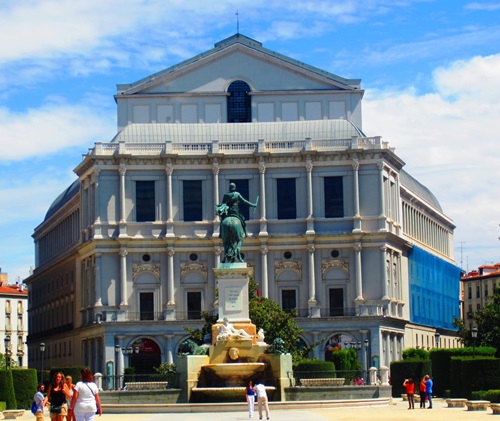
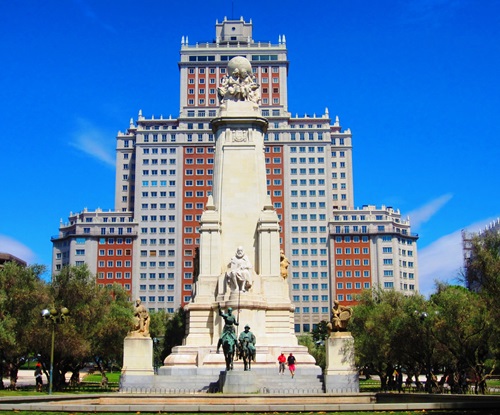
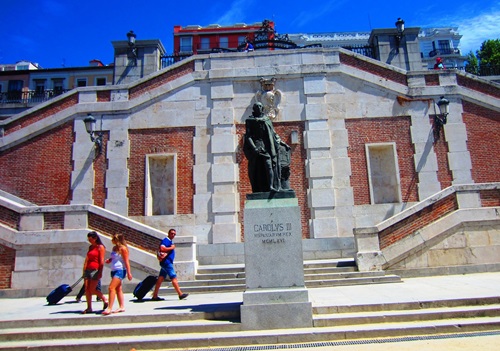
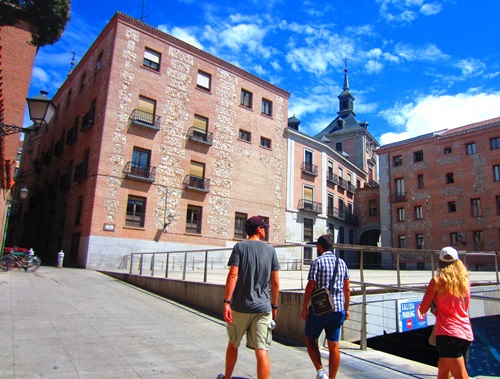
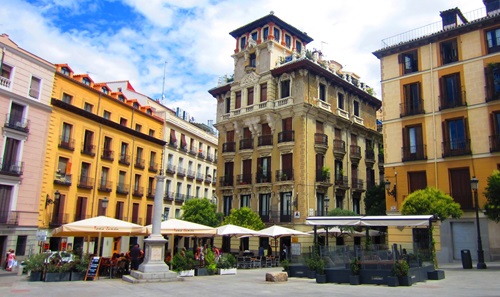
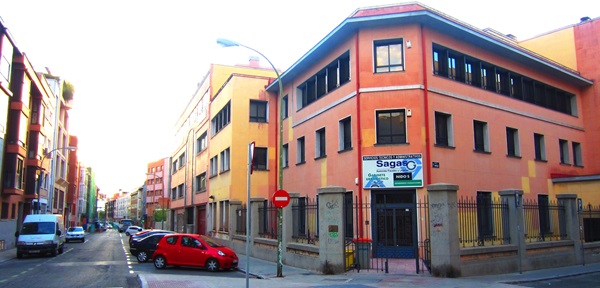
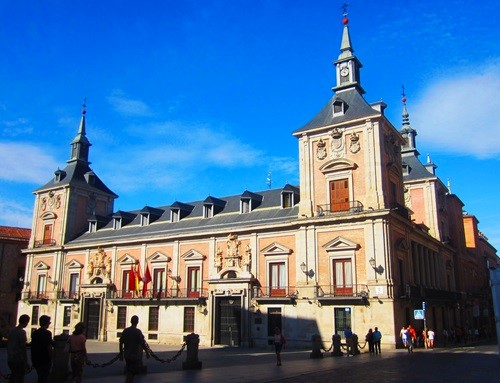
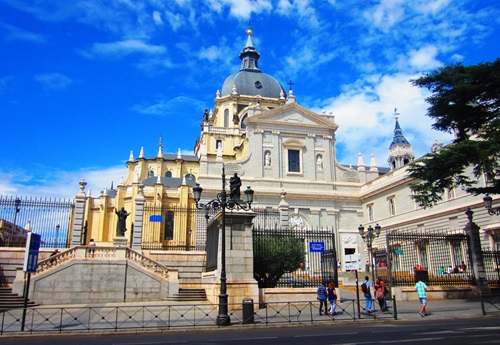
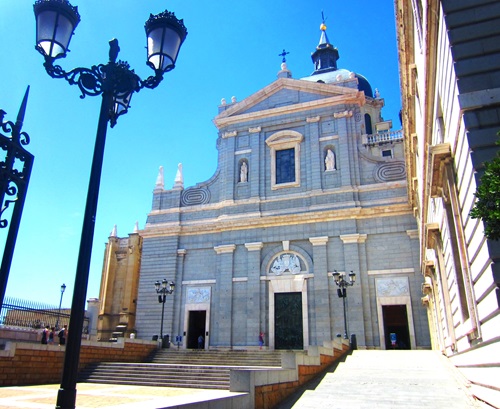
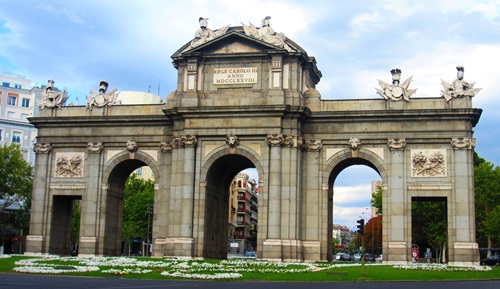
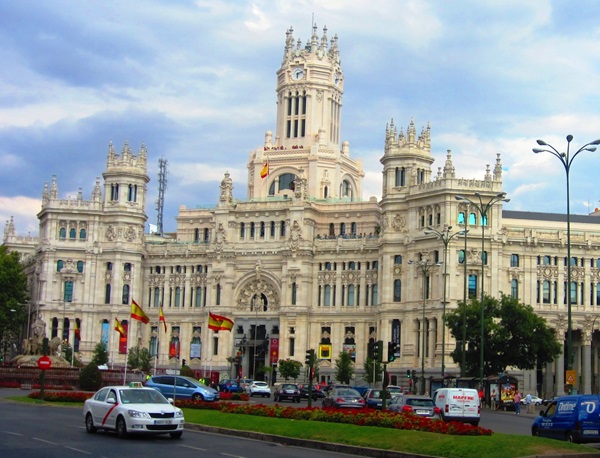
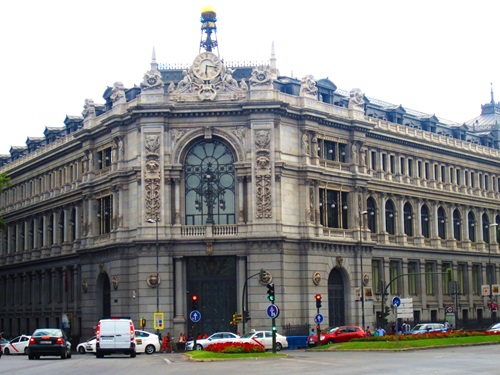
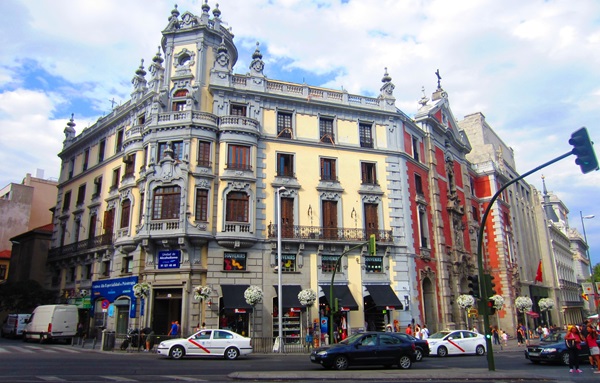
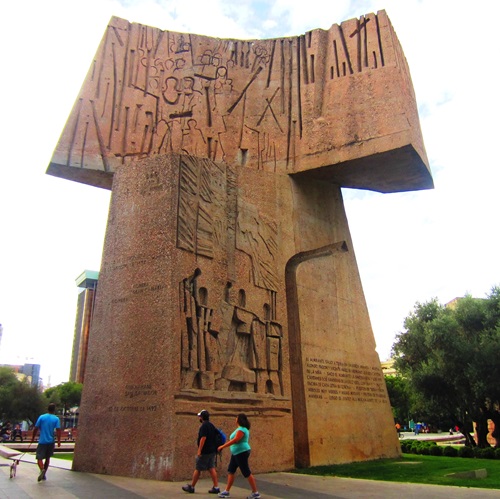
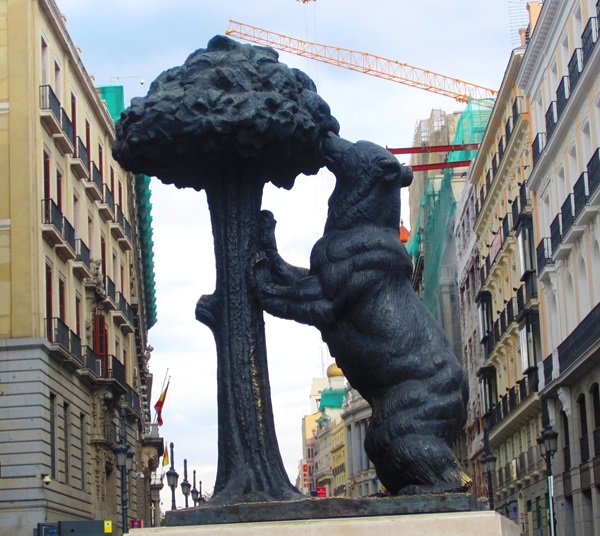
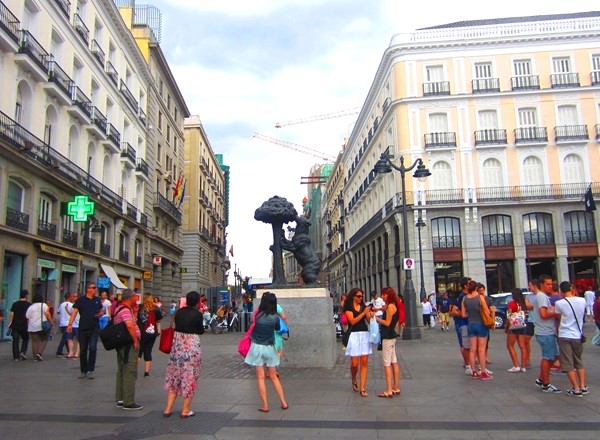
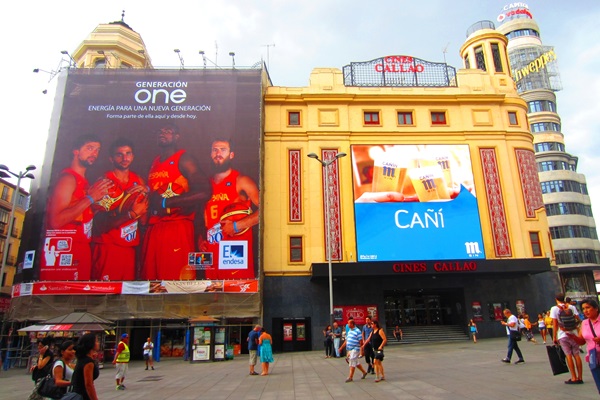
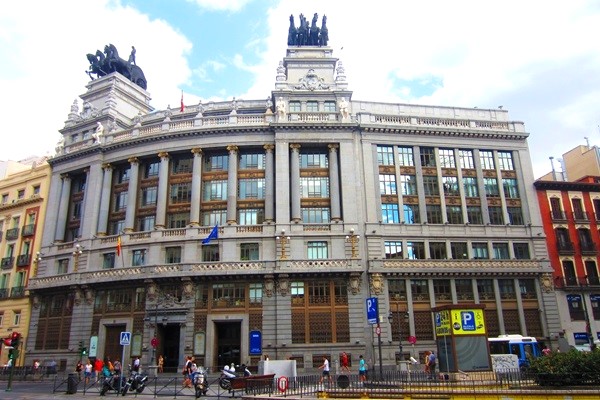
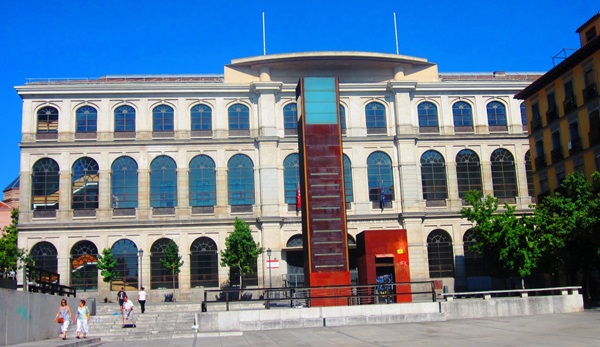
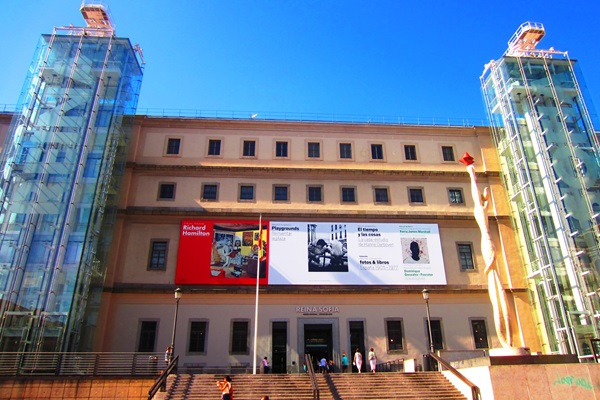
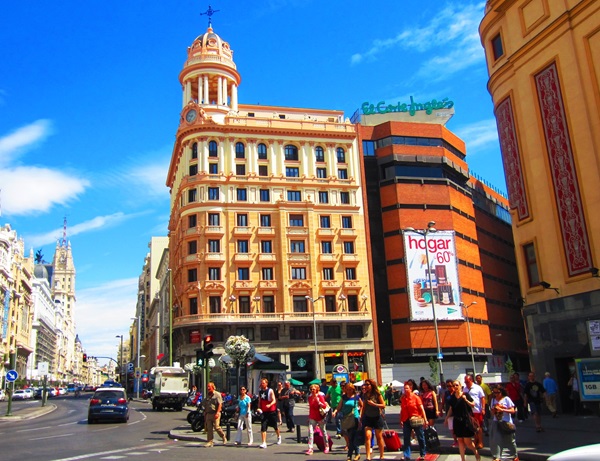
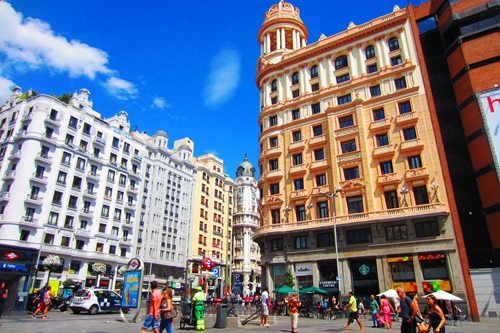
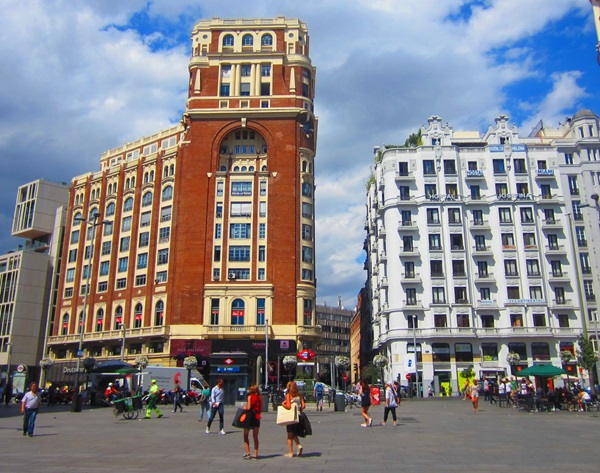
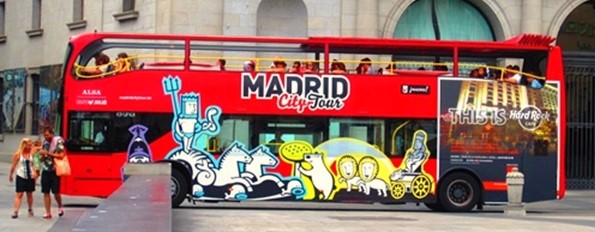
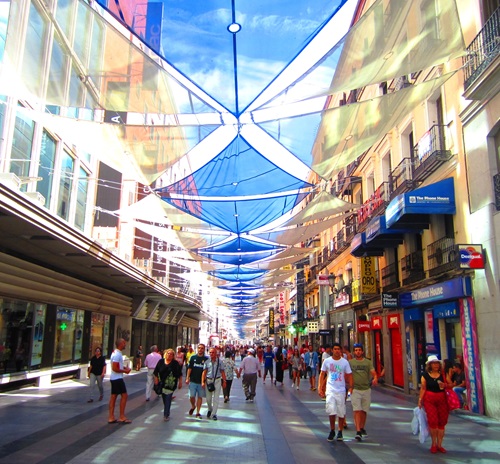
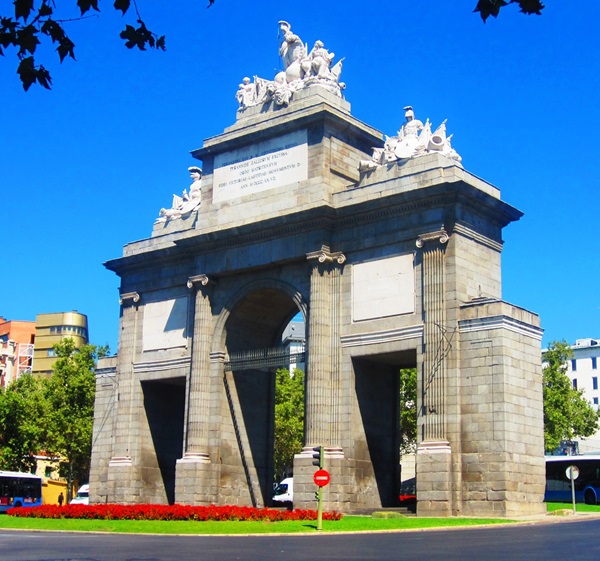
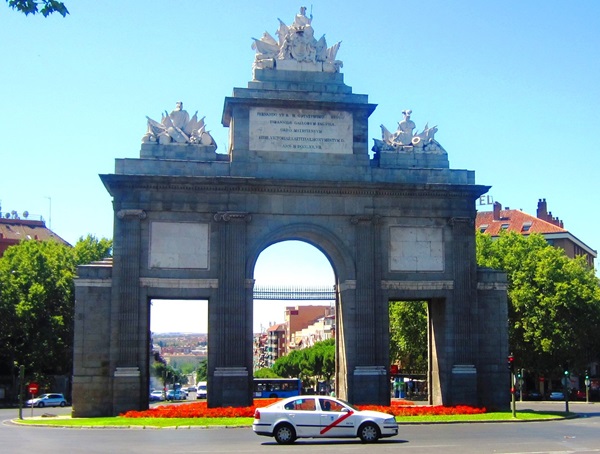
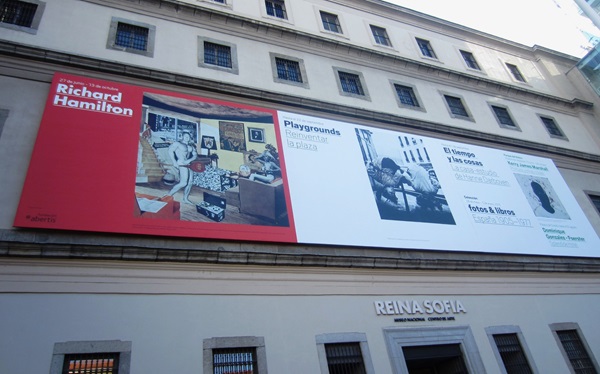
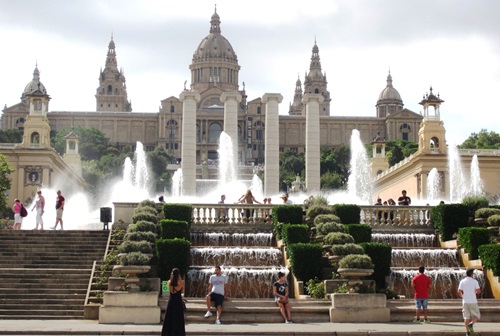
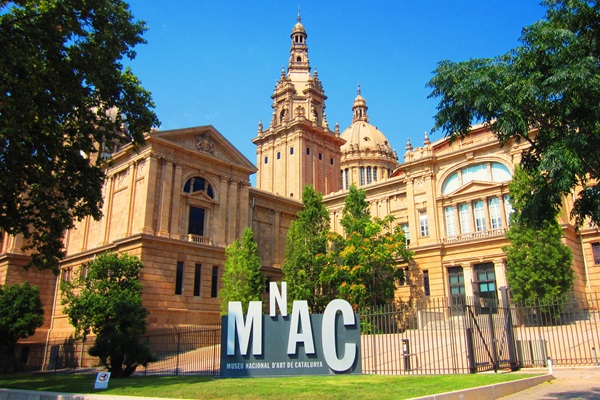
Entrance to the museum is free in the late afternoon.
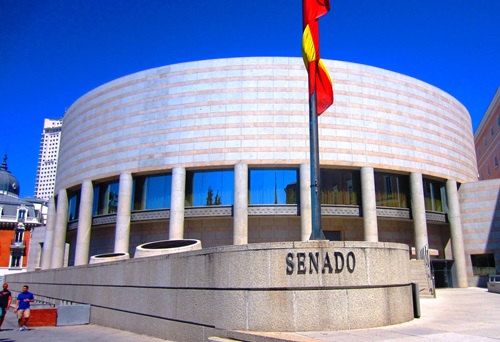
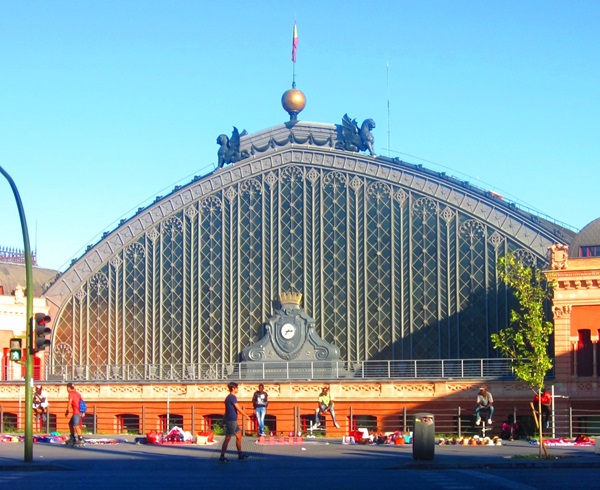
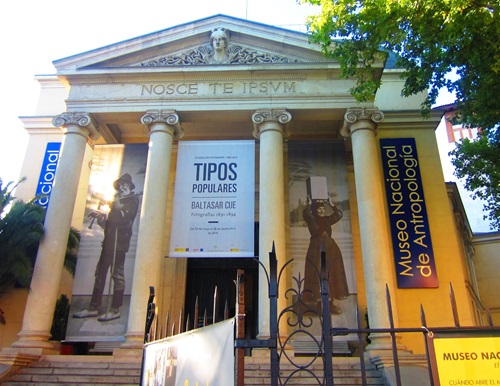
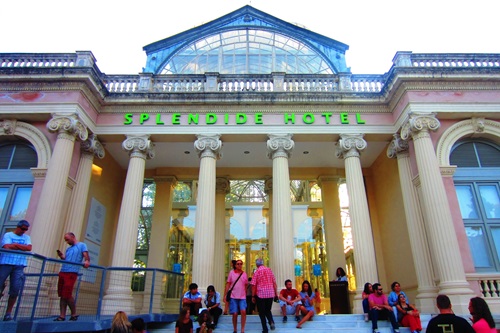
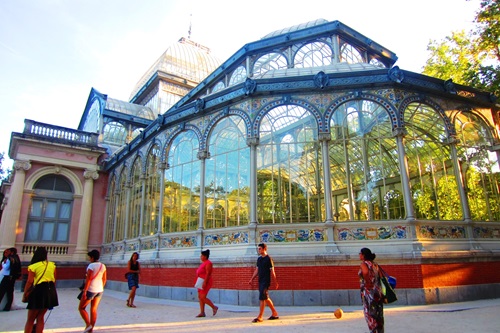
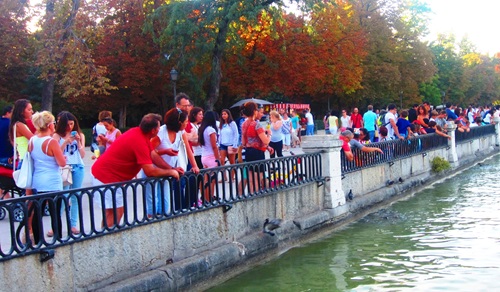
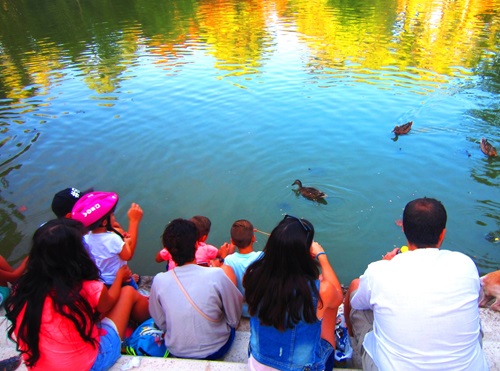
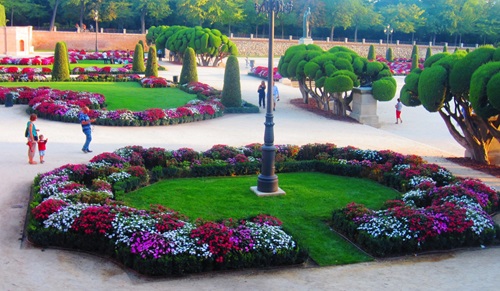
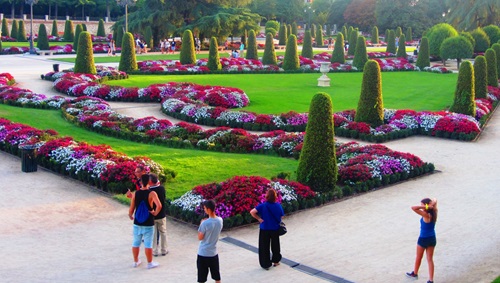
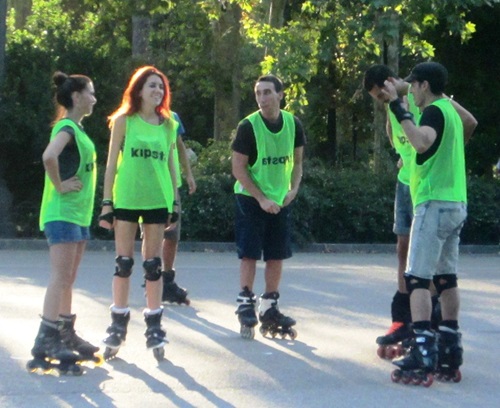
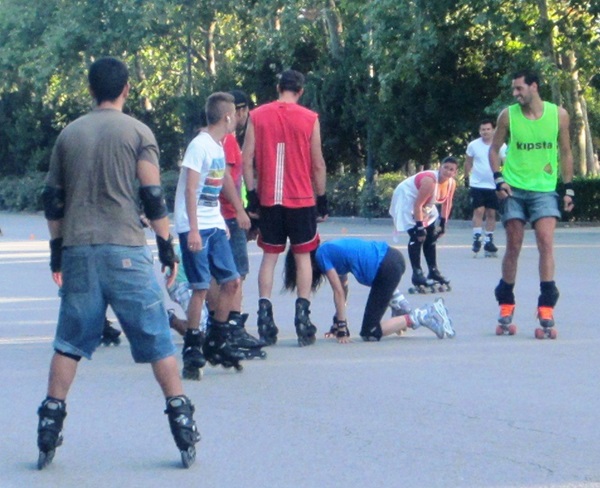
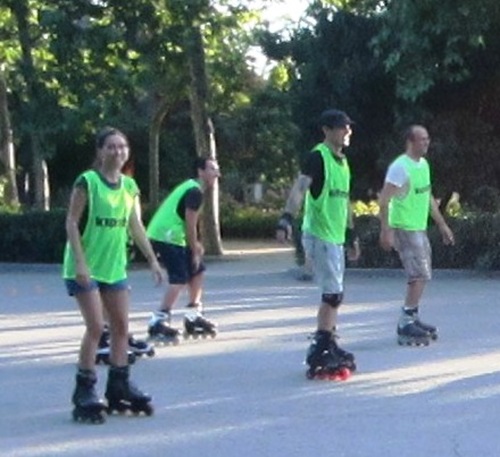

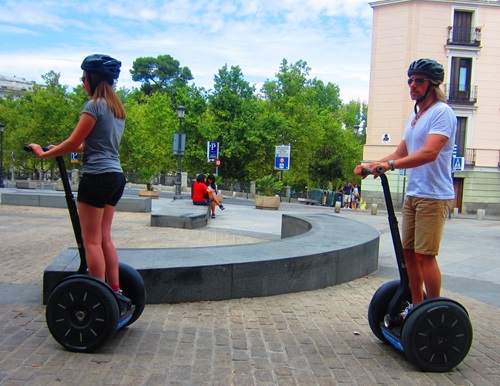

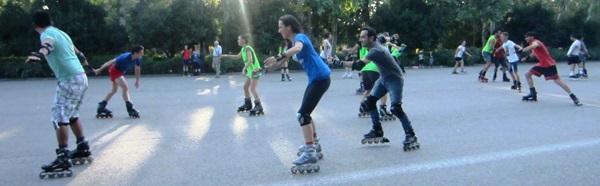
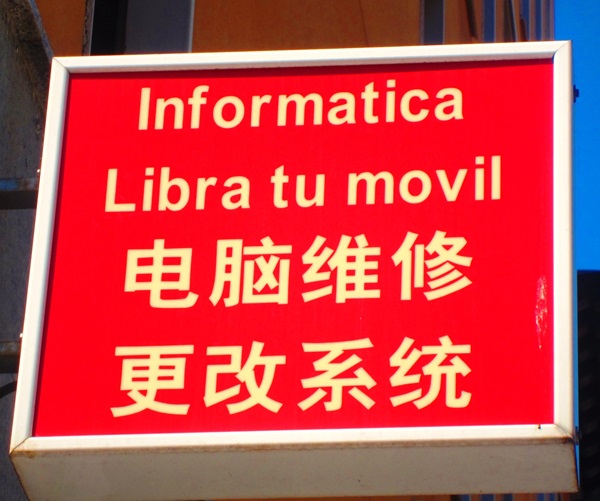
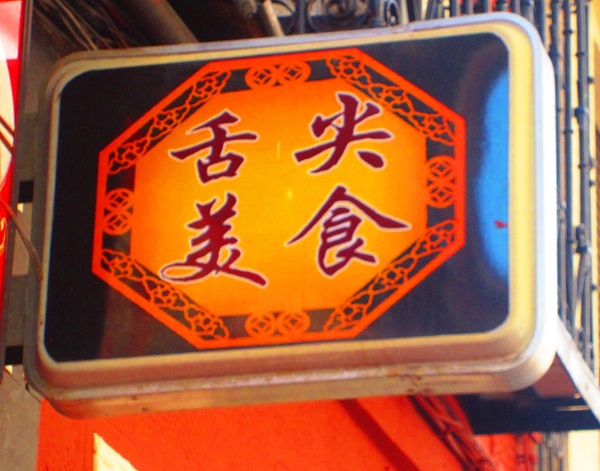
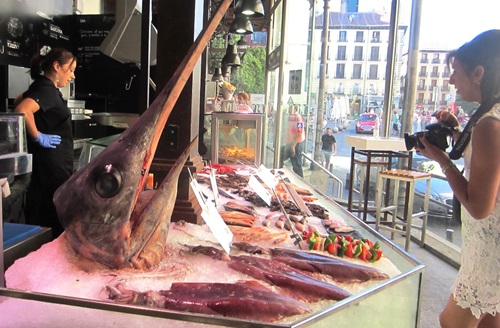
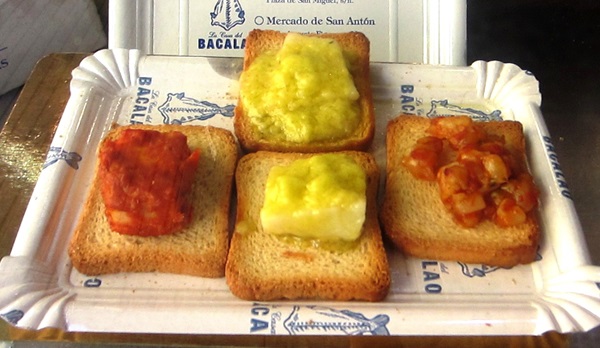
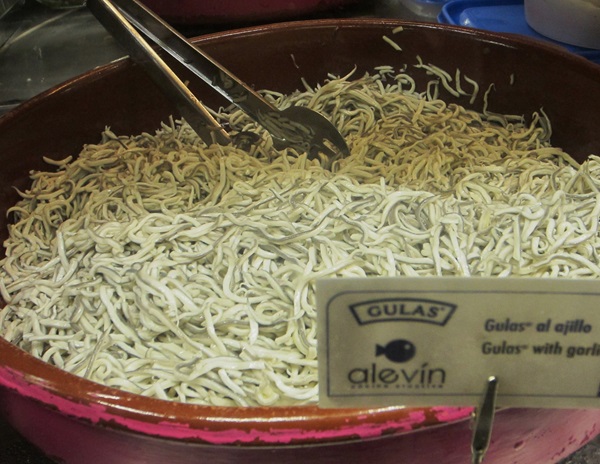
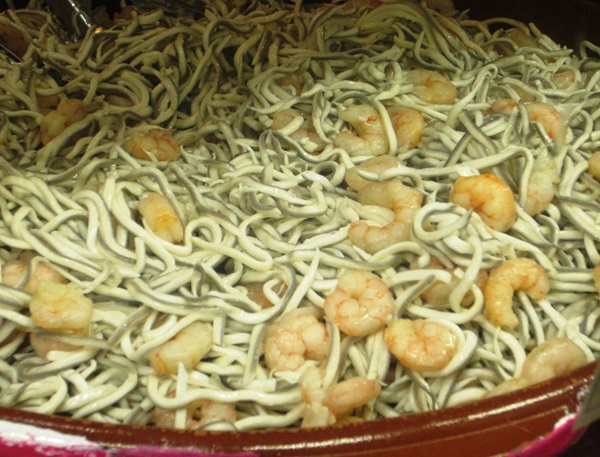





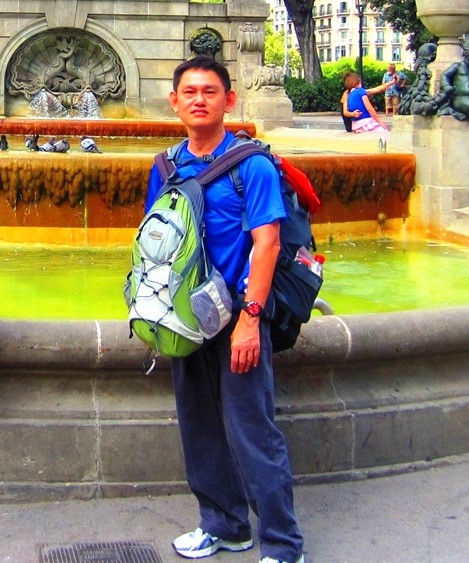
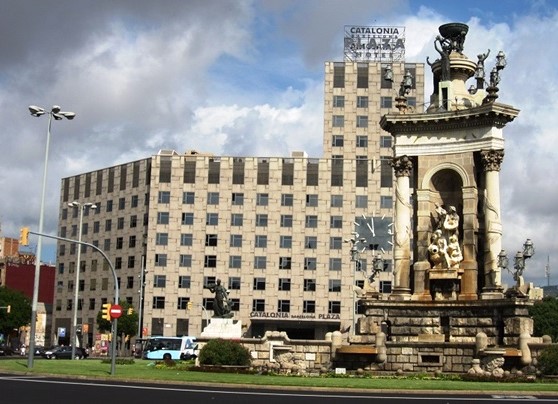
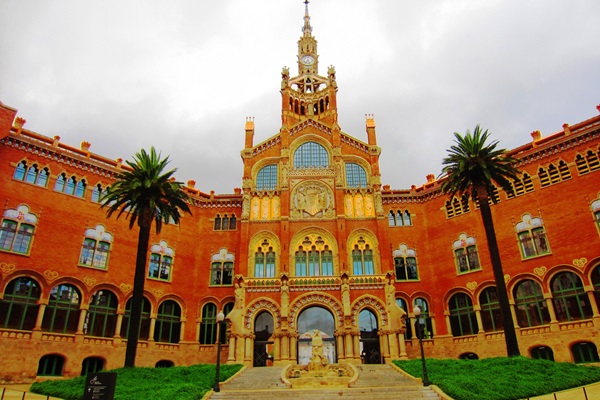
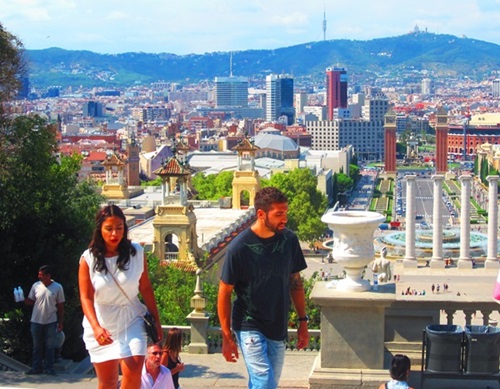
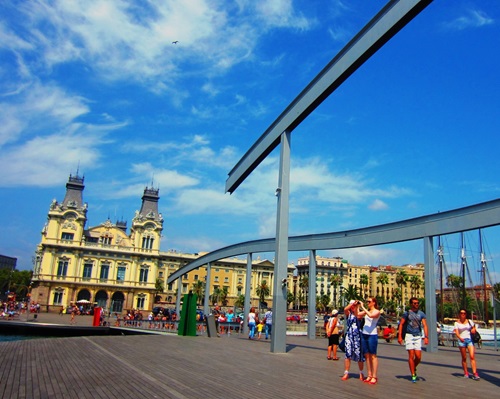
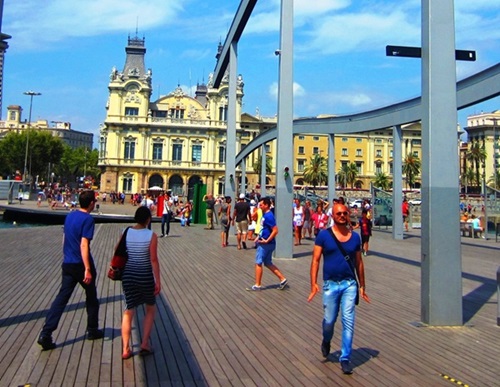
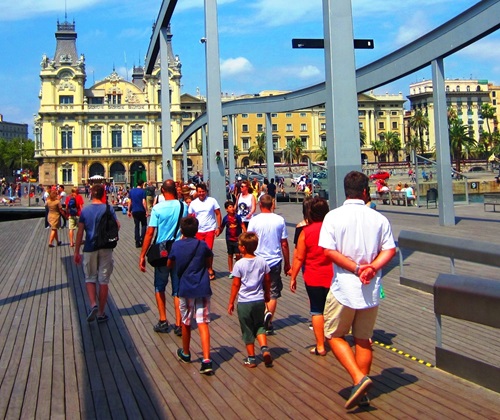
Barcelona is an enchanting seaside city with boundless culture and fabled architecture. The city is big. I stayed there for a week and still found that I have not seen enough. I am waiting for another opportunity to visit Barcelona again.
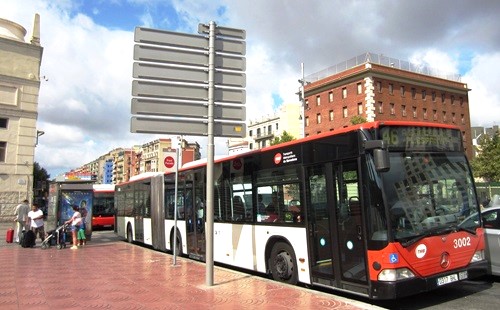
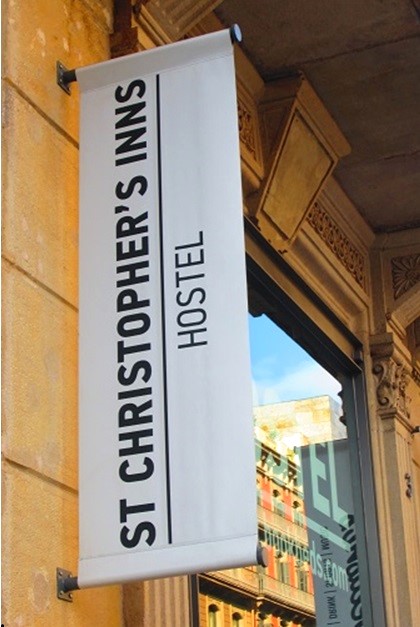
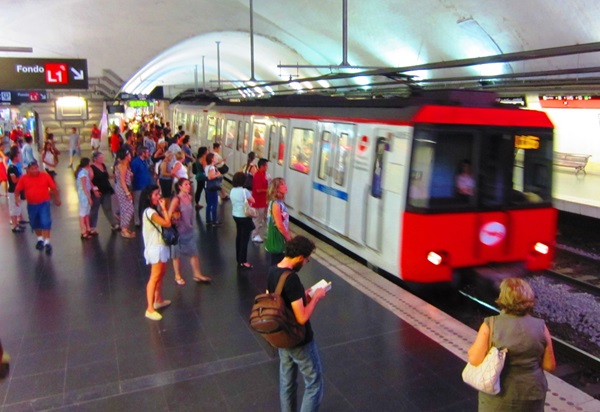
From the airport, I took the bus and later changed to the metro to get to the place where I have booked the accommodation. I stayed in the Saint Jordi Hotels for 3 nights. This is about 10 minutes walk to the famous La Sagrada Família. Later I moved to Christopher’s Inns Hostel and stayed for another 3 nights. Both hostels provide good buffet breakfast.

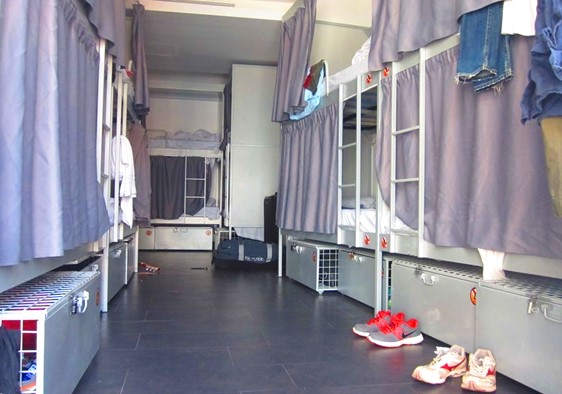
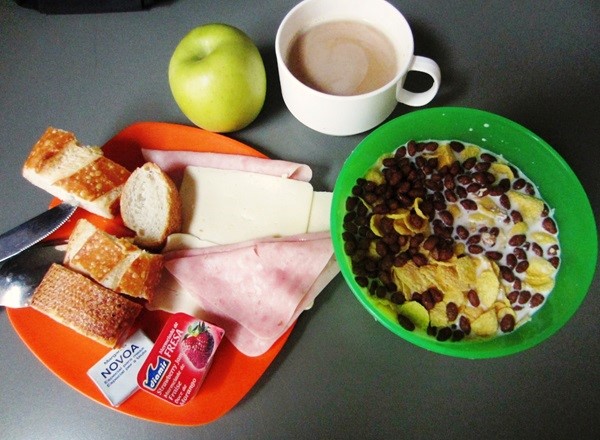
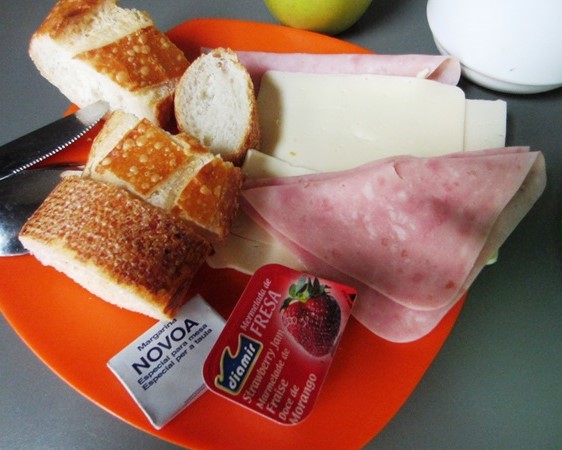
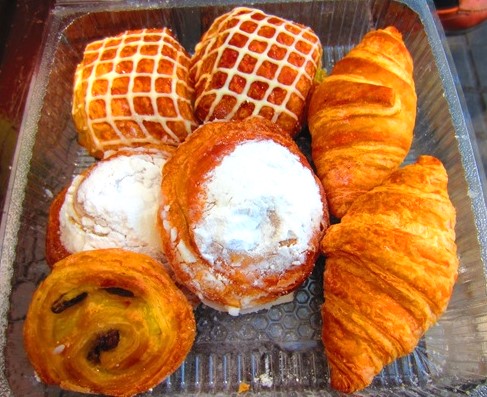
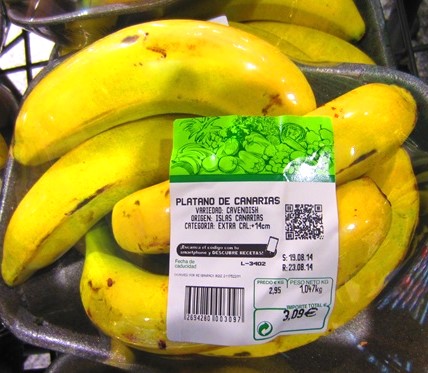
For dinner, I got food from the nearby supermarket and and heat them up in the microwave.
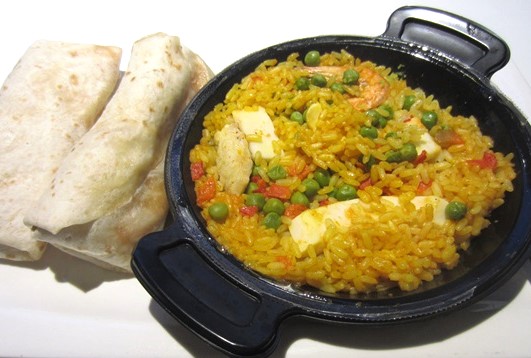
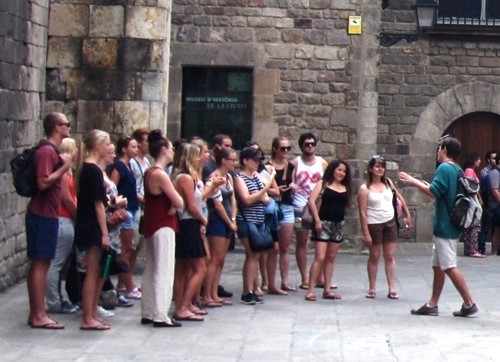
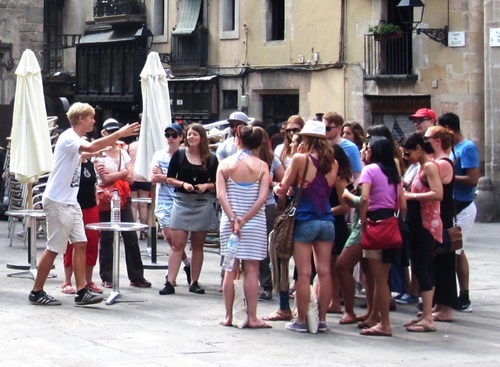
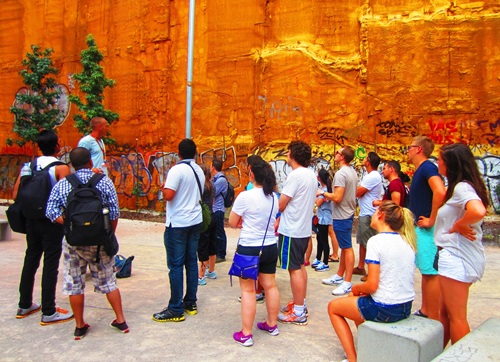
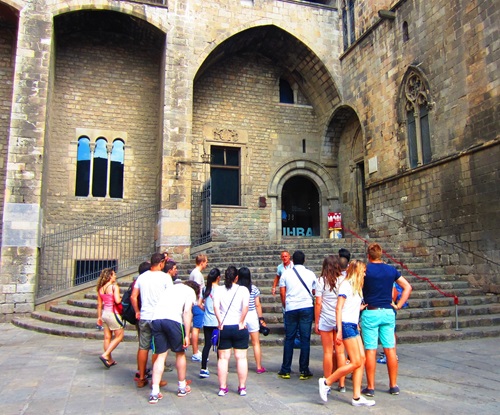
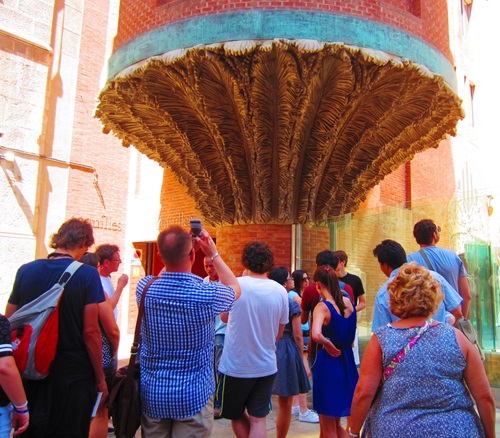
I joined the walking tour in the morning. In the evening I joined the food tour where the guide took us to a local restaurant to taste the Spanish tapas.

The walking tour is very popular and we are divided into a few groups. The tour is free by we are expected to give some tips to the guide after the tour. This is cheaper than taking the tour from travel agent.
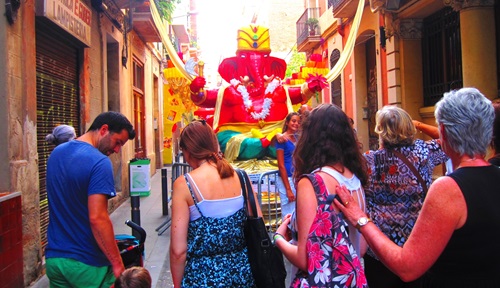
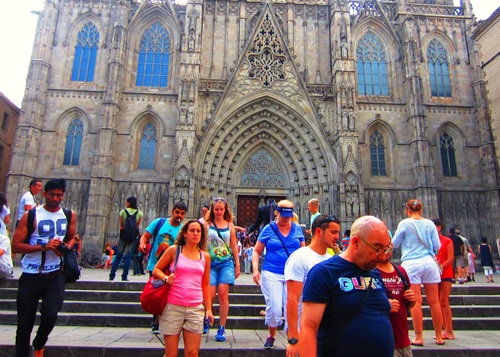
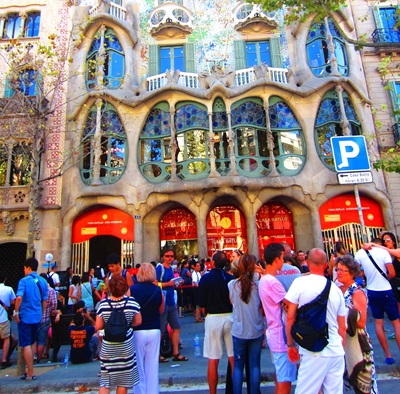
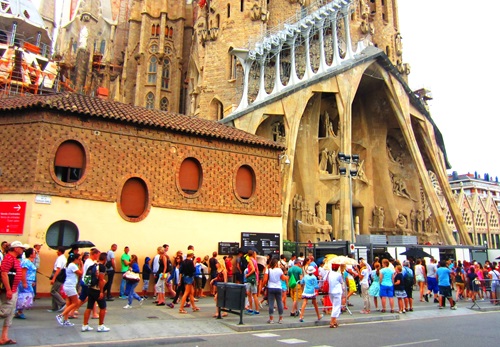
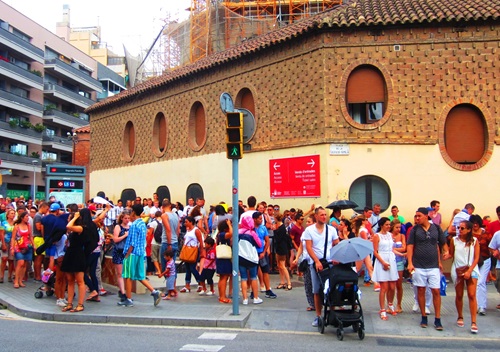
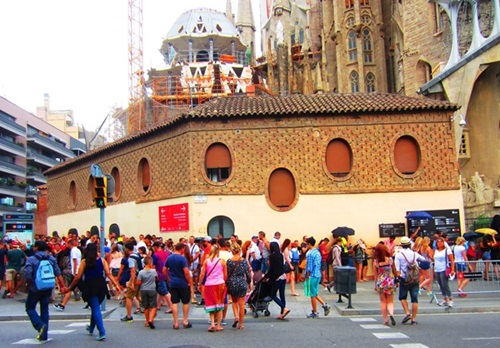
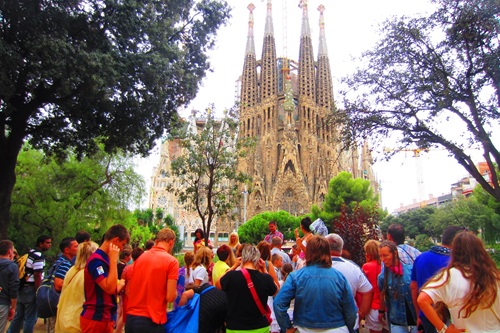
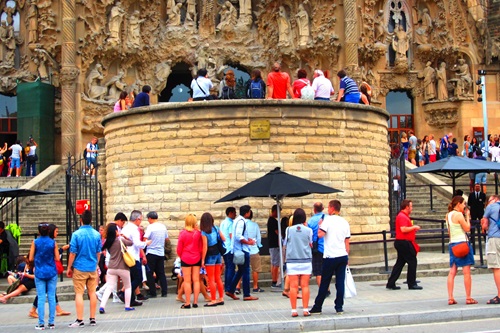
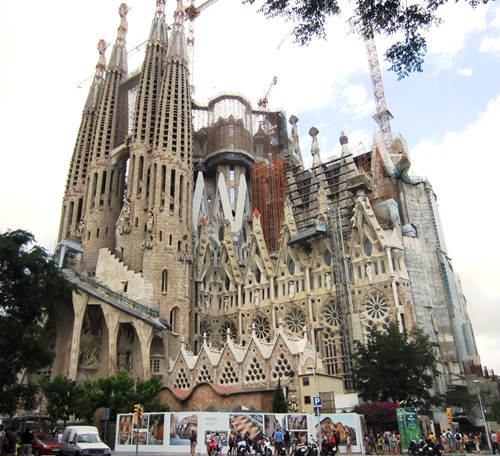
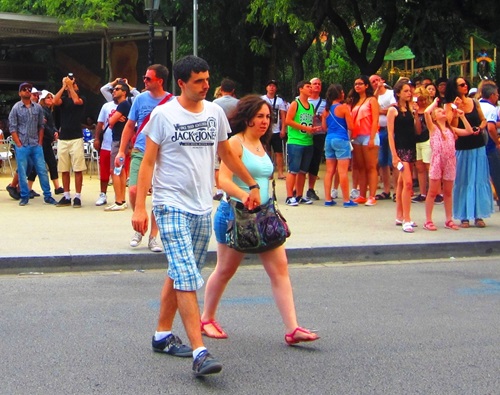
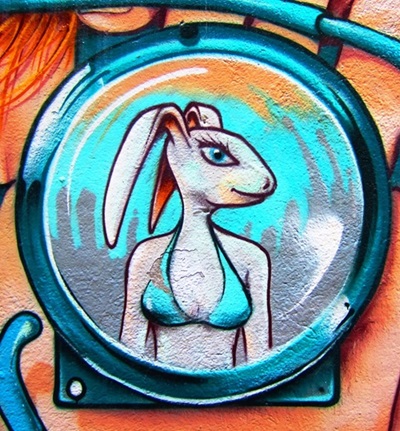
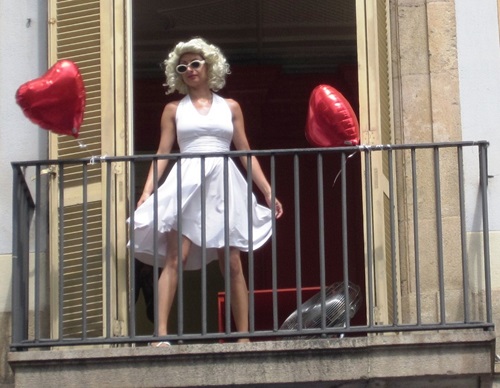
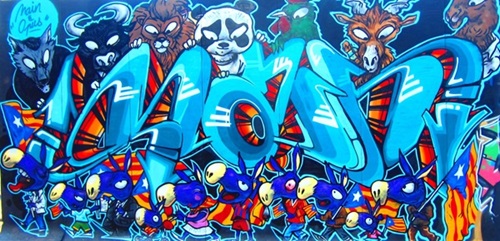
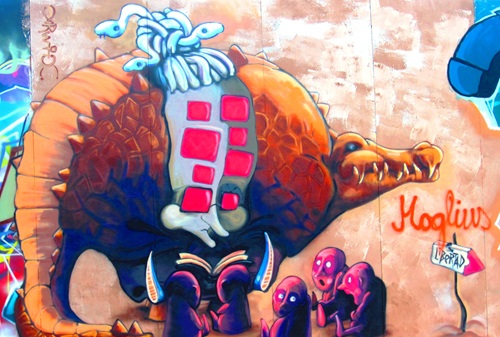
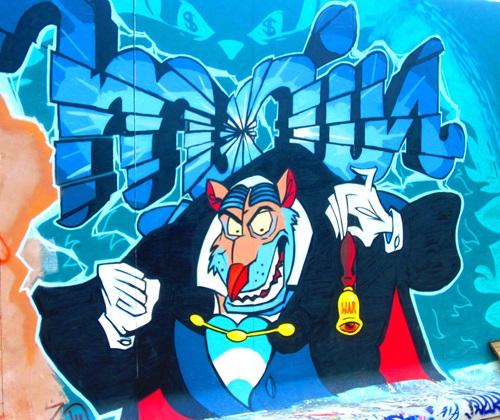
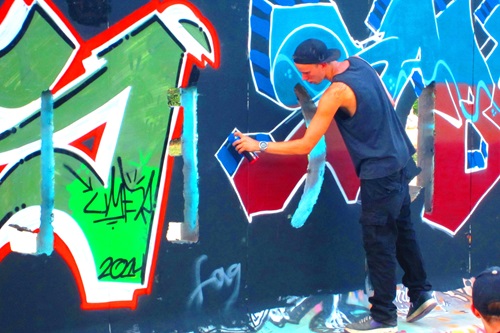
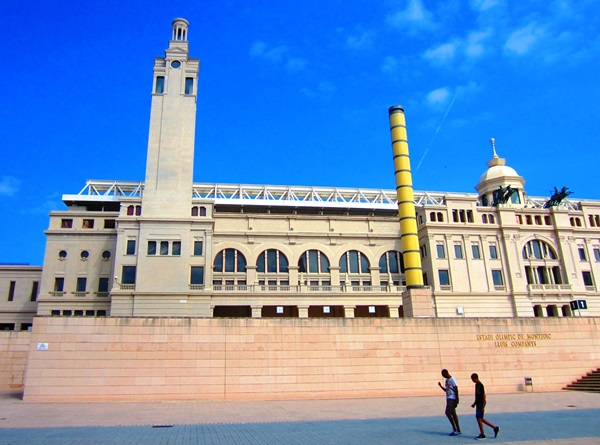
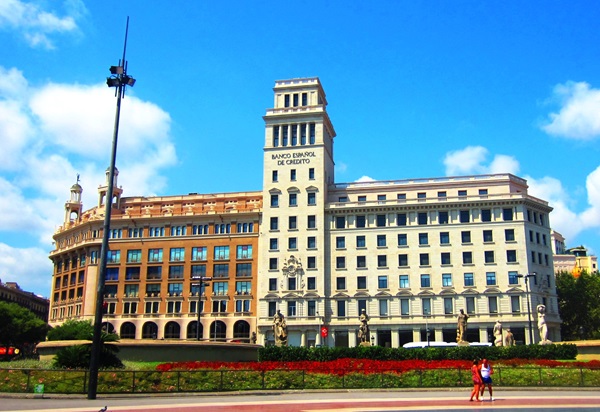
In the others days, I walked around visiting other places of interest.
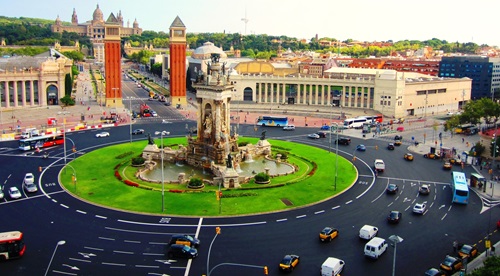
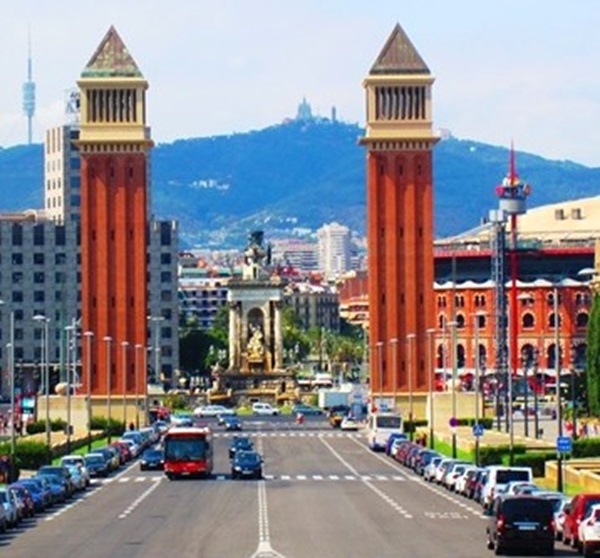
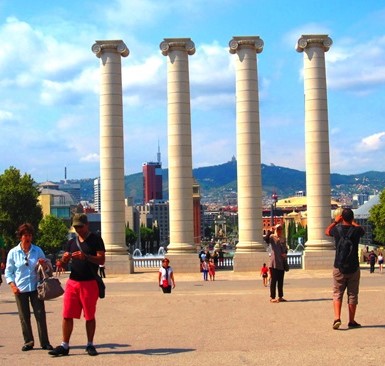
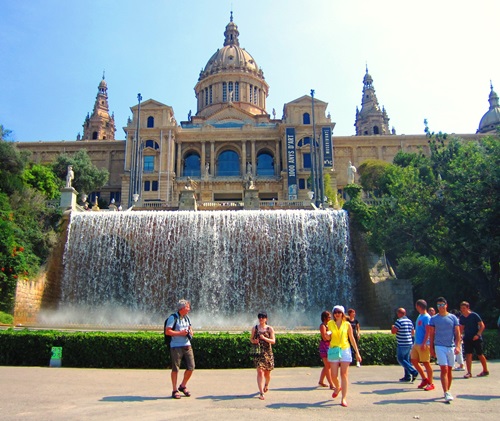
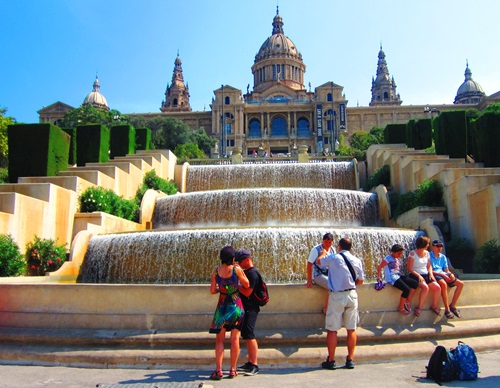
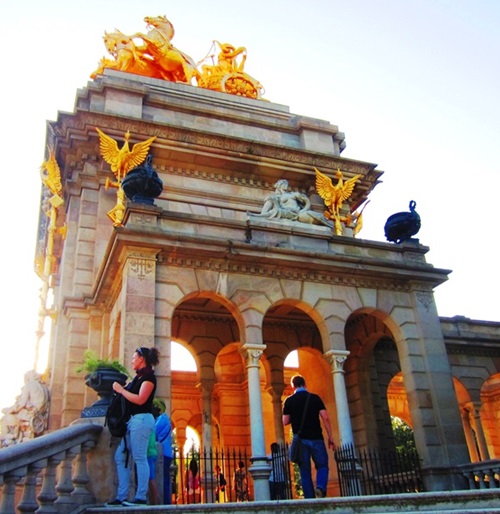
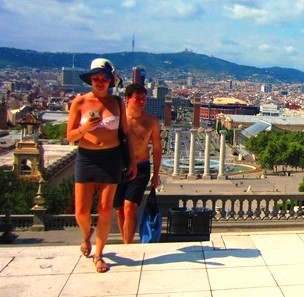
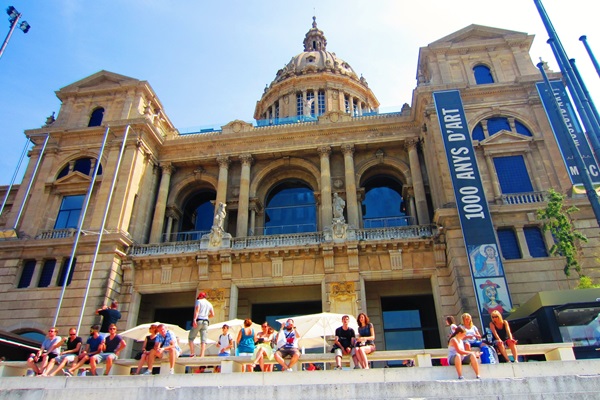
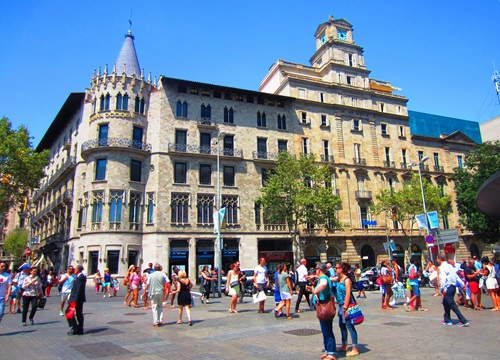
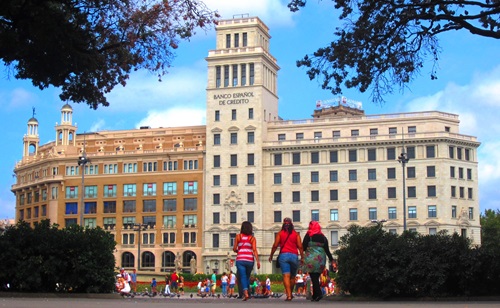
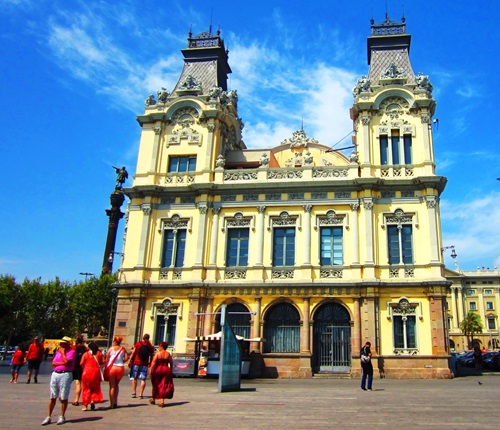
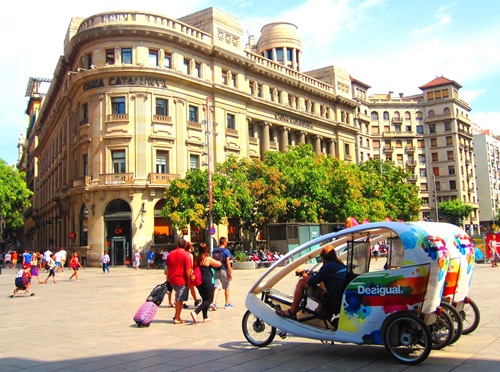
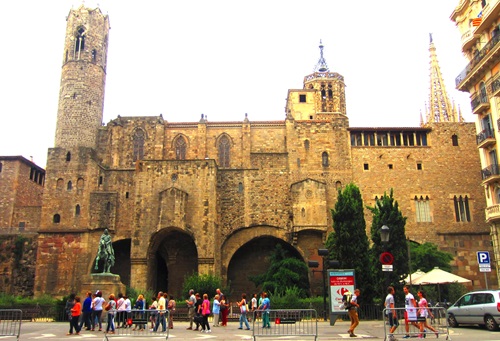
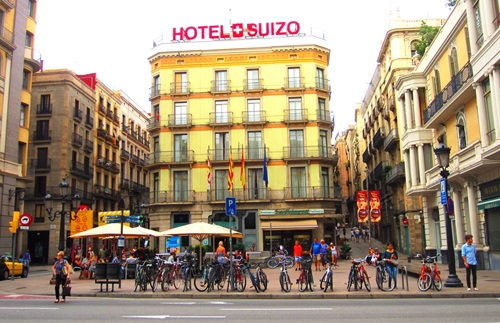
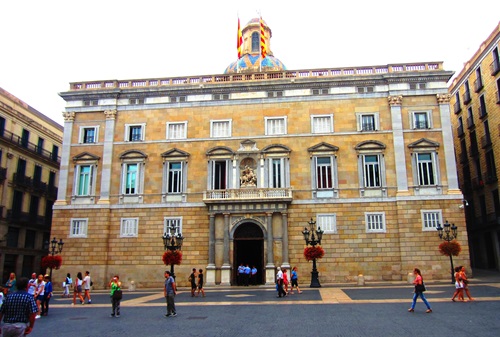
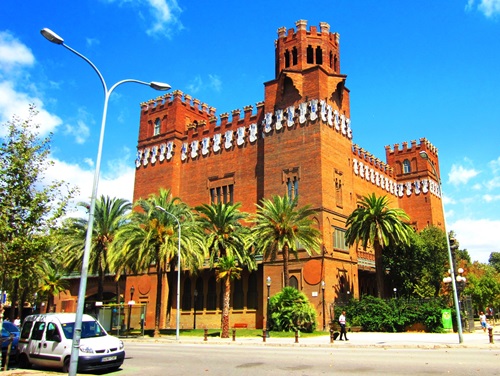
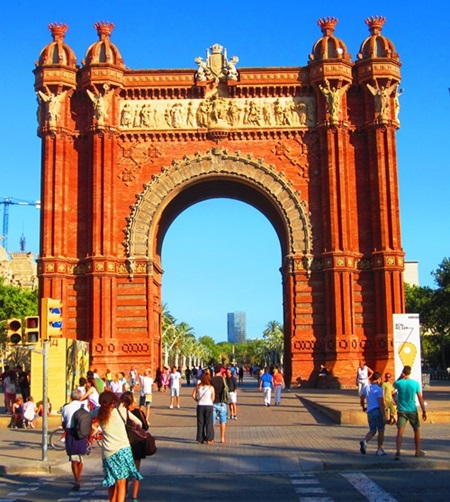
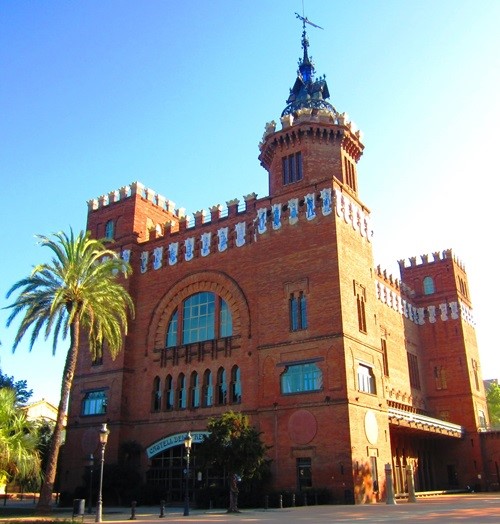
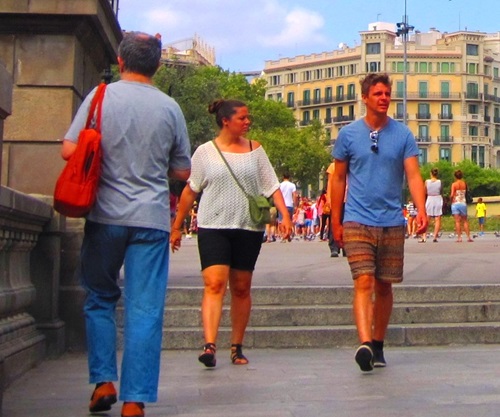
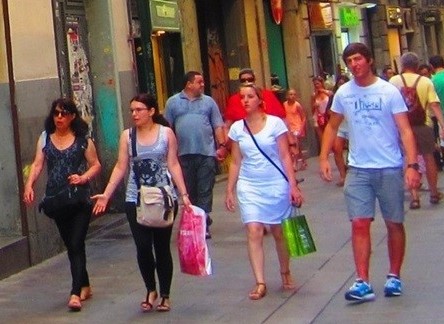
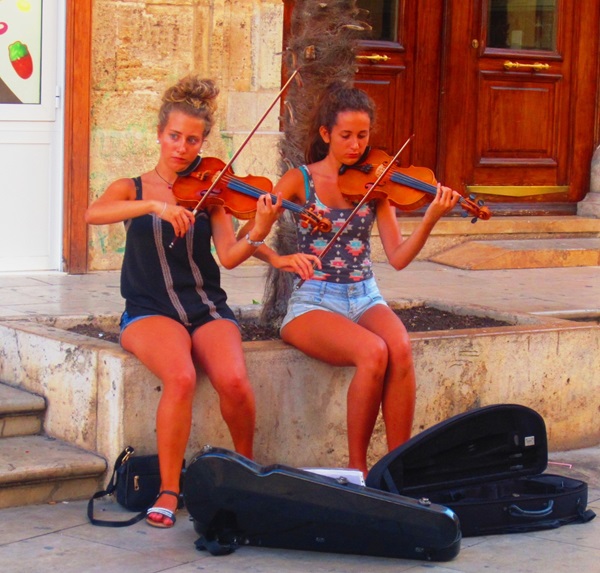
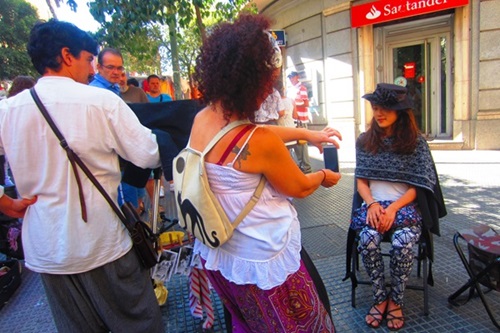
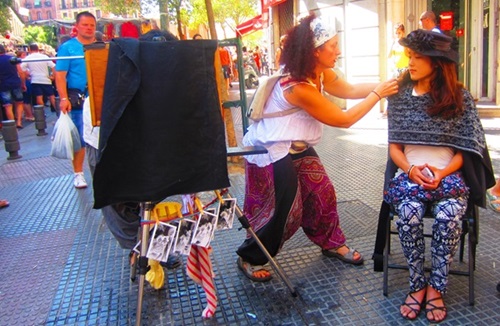
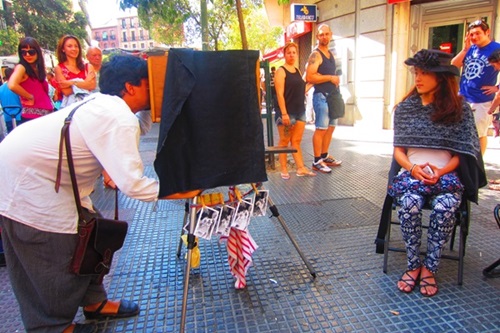
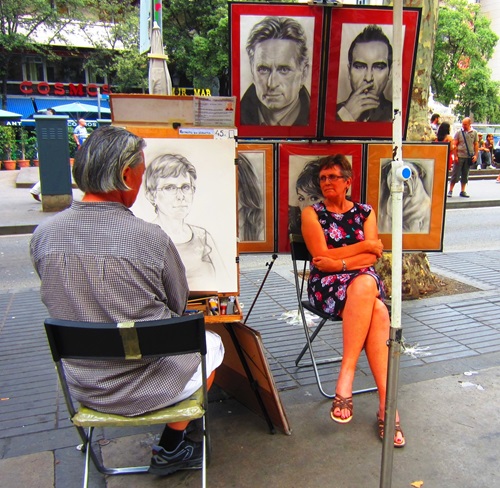
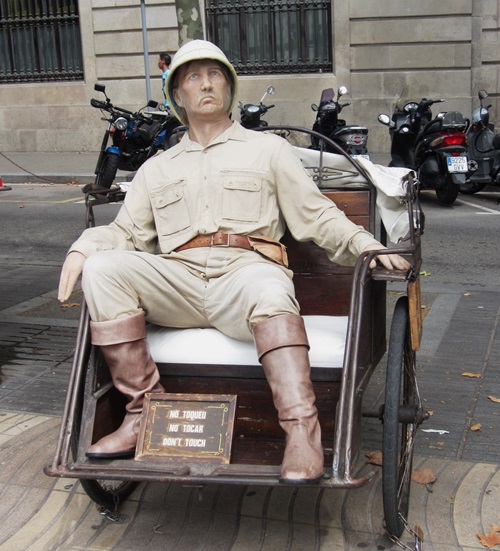
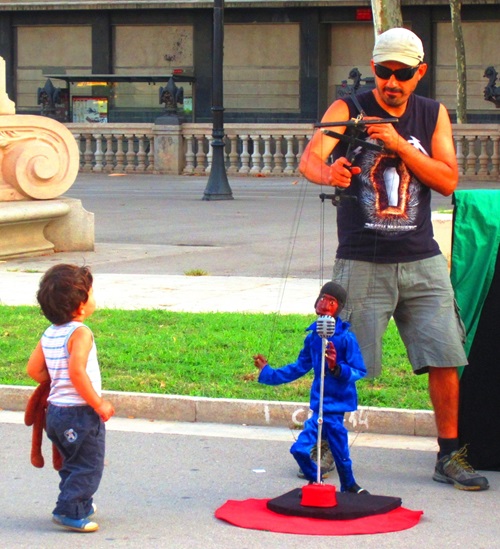
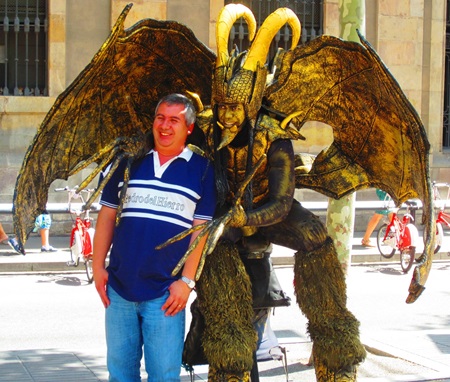
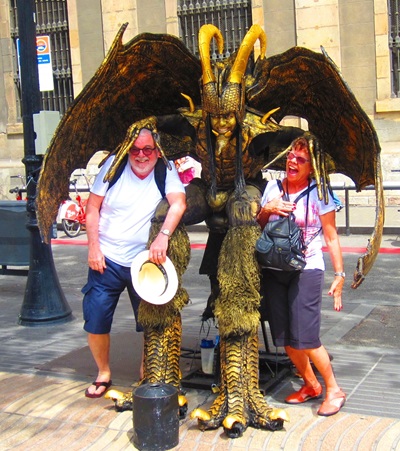
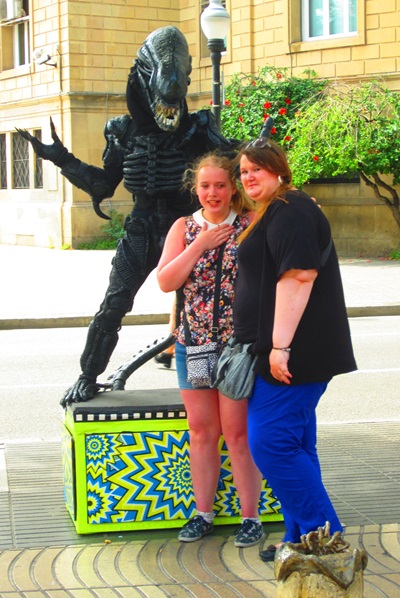
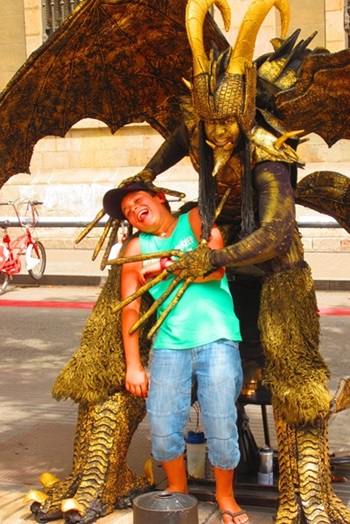
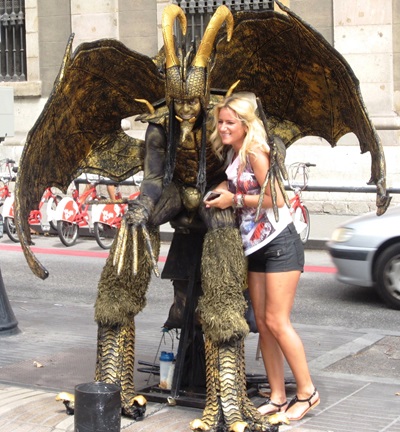
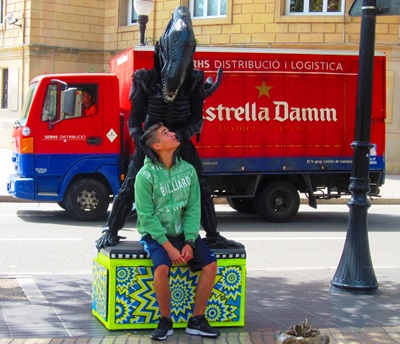
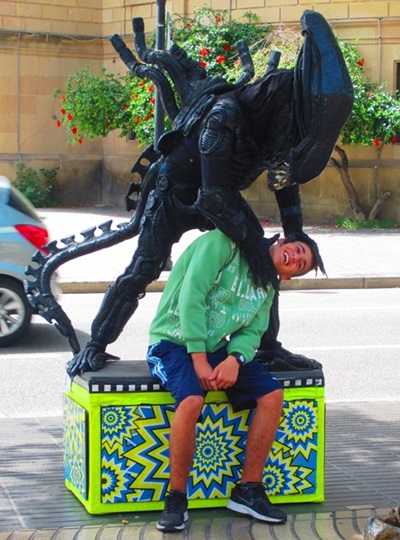
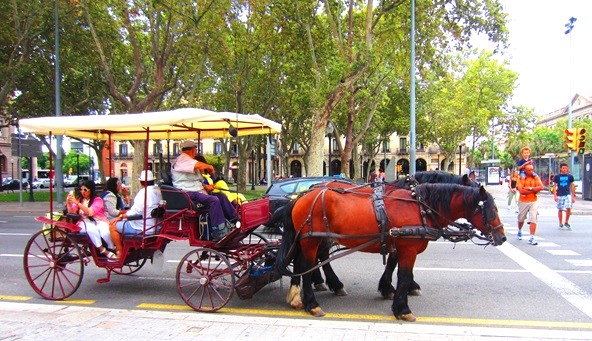
The street performers were amazing. Will need to pay to take pictures with them.
The Street street performers were amazing. Tourists will need to pay to have pictures taken with them.
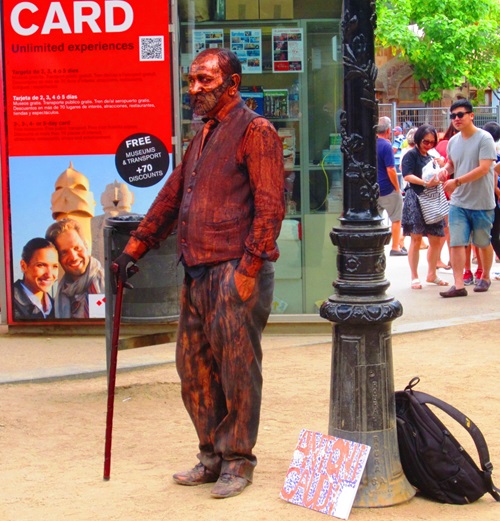
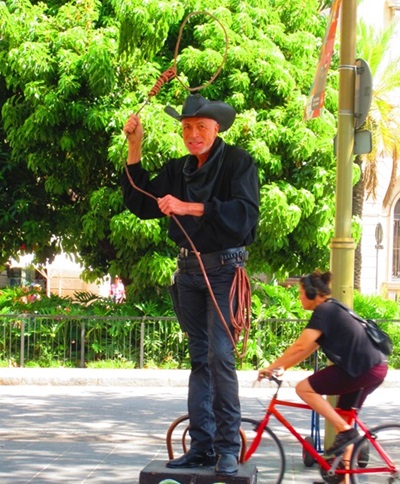
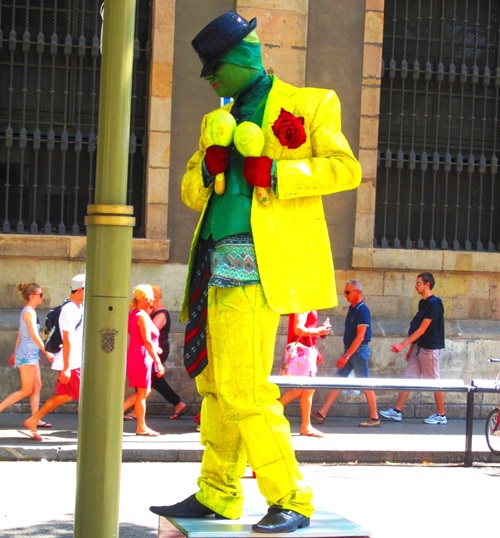
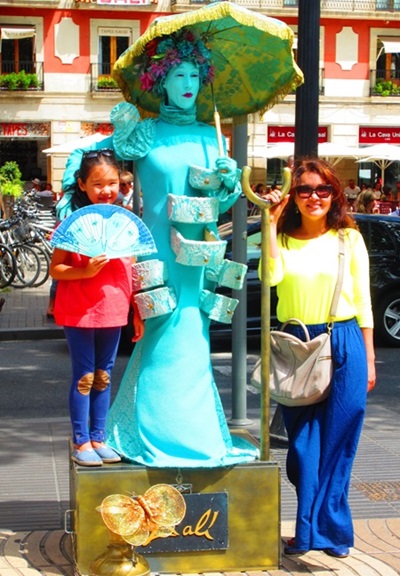

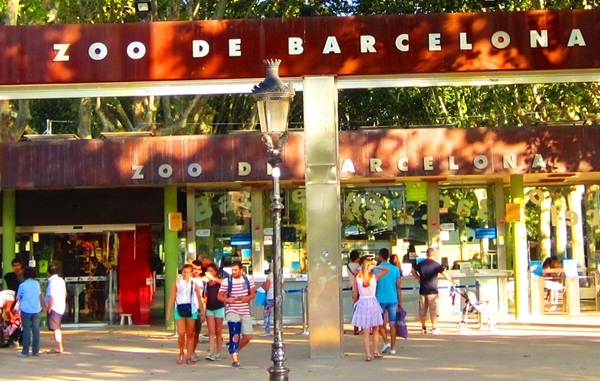
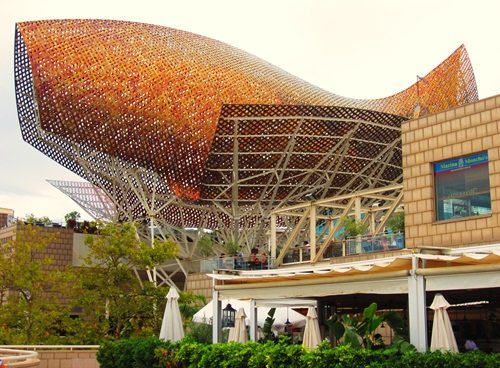
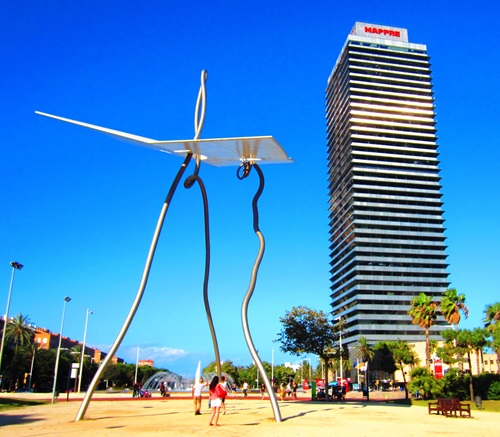
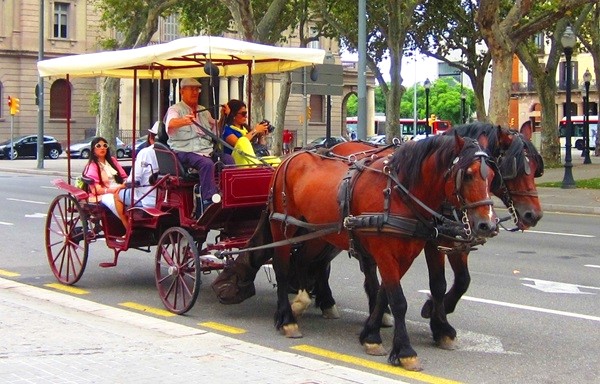
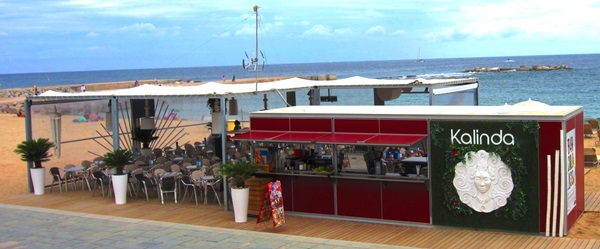
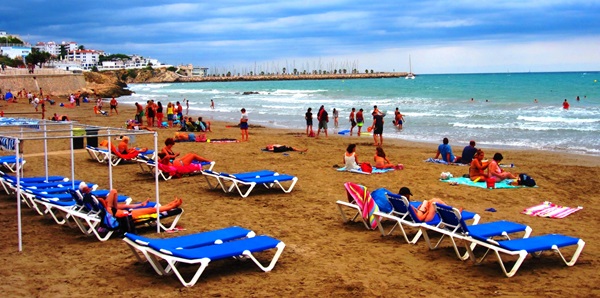
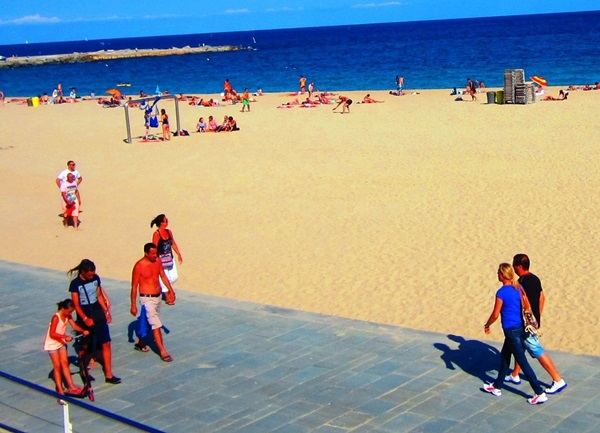
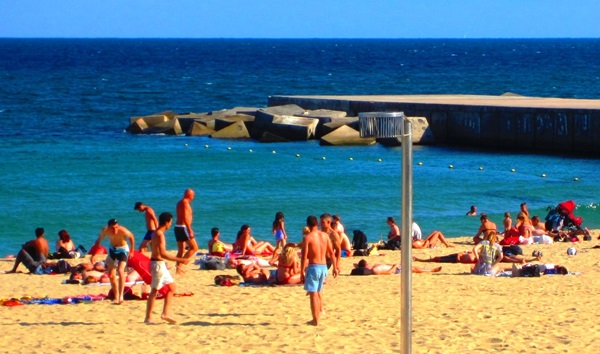
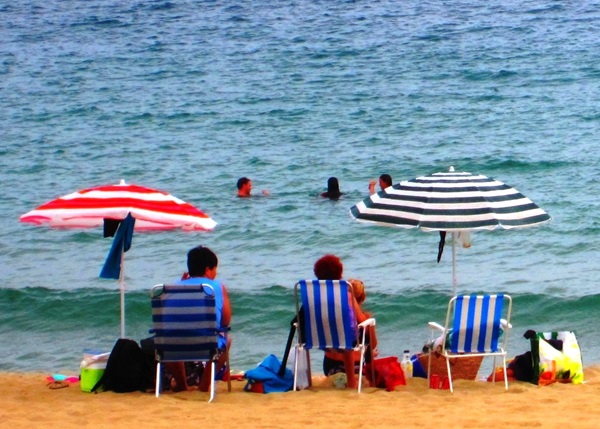
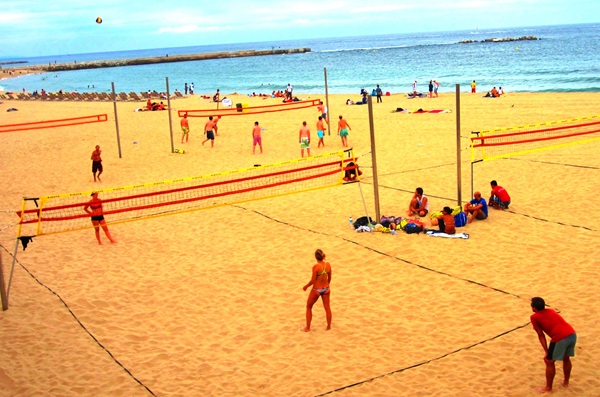
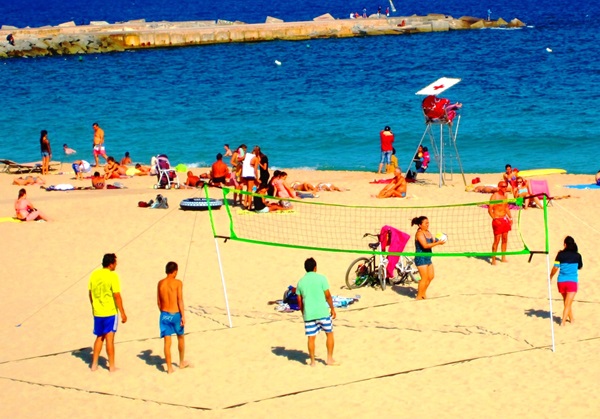
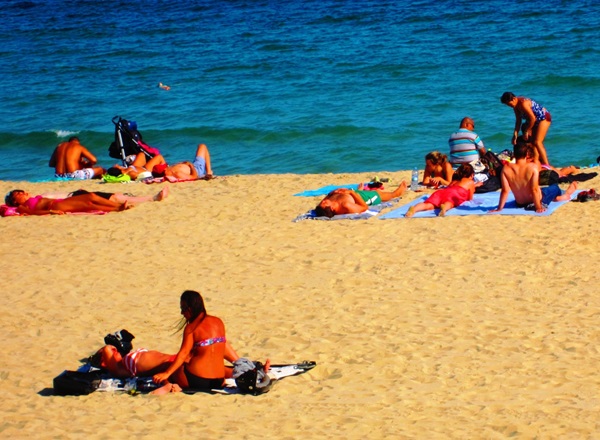
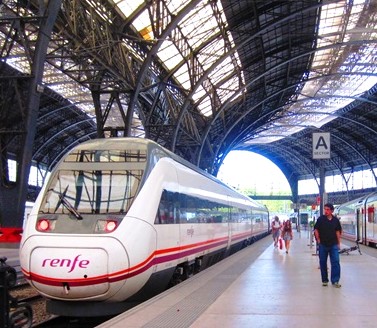
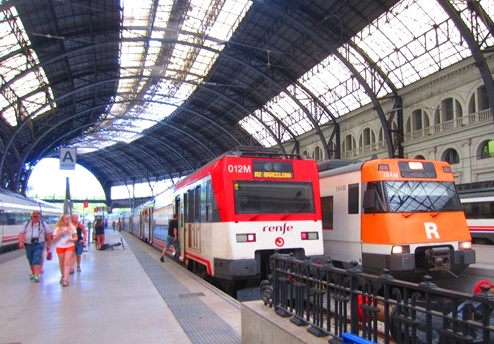
I also took the train to 2 nearby places, Sitges and Toledo, for a day trip.
The Roman number system is based on seven letters, all of which are assigned with specific values. These seven letters, with their Hindu-Arabic number equivalents, are:
I (1) V (5) X (10) L (50) C (100) D (500) M (1000)
There are a few rules in the Roman number system.
Rule 1: When a letter is repeated, its value is repeated.
Examples : I = 1, II = 2, III = 3 X = 10, XX = 20 CCC = 300
Rule 2: When a letter follows a letter of greater value, its value is added to the greater value.
Examples : VI = 6 (5+1) XV = 15 (10+5) LX = 60 (50+10) DC = 600 (500+100)
To write 70 in roman numerals, we just need to add XX to L (10+10+50). So, 70 will therefore be written as LXX. To write 800, just add CCC to D (100+100+100+500). In this case, 800 is written as DCCC.
Rule 3: When a letter precedes a letter of greater values, its value is subtracted from the greater value.
Examples : IV = 4 (5-1) IX = 9 (10-1) XL = 40 (50-10)
XC = 90 (100-10) CD = 400 (500-100)
The smaller value I is in front of V, means subtract 1 from 5 to get 4. In the same way, X is in front of the L reduces 50 by 10 to get 40. In like manner, X is in front of C means 100 less 10 and CD denotes 500 less 100.
Note: Generally, the symbols are not repeated more than three times to denote a number. To show the number 40, we would need to write XL (50-10) and not XXXX. (10+10+10+10). As for 4, it is usually written as IV (5-1) and not IIII (1+1+1+1).
Rule 4: A horizontal bar over a letter or letters indicates that the value given to the letter or letters is to be increased one thousand times.
Examples : MCD = 1,400 (1000+ 500-100).
____
MCD = 1,400,000 (1,000 times of 1,400)
Summary
VII = 7 XI = 11 XIV = 14 XVIII = 18 XXII = 22 XXXVII = 37
XLI = 41 LXII = 62 CXIII = 113 CCX = 210 MCM = 1,900
__ __ ______
XICCC = 11,300 CLXX = 150,020 MCMV = 1,905,000
__ __
M = 1,000,000 XCC = 10,200
Source : “Arithmetic Made Simple – Revised Edition” by A.P. Sperling and Samuel D. Levison. Revised by Robert R Belge, Department of Electrical and Computer Engineering, Syracuse University. Published by Doubleday, a division of Bantam Doubleday Dell Publishing Group, Inc.
According to Diane DiResta, using the right colour in a presentation could make a greater impact in the delivery. This is because colour creates associations in the minds of the audience members. It adds drama, affects moods and changes perceptions and motivations.
DiResta suggested that we should consider the purpose of the presentation when choosing the background and graphic colours.
Red stimulates emotions. It works well for sales and marketing presentations. Red means passion, desire, competition, danger, stop, error, downturn. Bright red may be too intense for some people. Burgundy is an alternative. Red is the appropriate colour to show a loss. “The company is in the red.” Red is a good choice for persuading or moving people to action.
Green inspires involvement or interaction. It’s a good colour for training sessions or other presentations when you want people to participate. Green also means social, intelligent, open, growth, money, readiness, spring, new beginnings. A green arrow on a slide would signal an upturn or growth.
Gray communicates a lack of commitment or neutrality. A gray background would not be the best colour for persuasive presentations. Instead, gray is best used as a bridge between different segments. If your sales module is in red and your marketing segment contains green backgrounds, a gray slide between the two subtopics would work well.
Blue is a clam, conservative colour. It suggests trust, stability, loyalty, tradition. Many corporate logos are blue. Where red has a stimulating effect, blue lowers the listener’s blood pressure and heart rate. To increase your credibility, use blue.
Yellow is associated with cheerfulness and hope for the future. It also signifies restlessness and change, and it can create feelings of anxiety. Yellow is too bright and stimulating for a background colour. It reflects the most light and will produce a glare in the eyes of the audience. It’s best to use yellow in headings.
Purple has a mystical quality. It may represent fantasy or take on a childlike quality. Purple is not a good colour for business information because it may not be perceived as important. Purple backgrounds are better suited for fun, humorous, or light topics.
Brown is perceived as passive, searching for something solid. So it’s best not to use brown for business backgrounds. It will be seen as unstable and less credible than other colours.
Black signifies power and sophistication. Black absorbs all light, making objects appear closer to the eye. A red square on a black background will look larger than it will on a white background. If colour can stimulate emotion, black represents the absence of emotion. A black background is ideal for things that have happened or situations in which the audience has no choice but to accept the data. Unchanging financial data or information that is a done deal will work well on a black background. Black removes emotion.
Source: “Knockout Presentations – How to deliver your message with …..” by Diane DiResta. Published by Raffles, an imprint of SNP Editions Pte Ltd
Found this article and think that it might be good to share it with you. This is the story of the geese where they work together to reach their destination. This is about Teamwork.
In the fall when you see geese heading south for the winter flying along in the “V” formation, you might be interested in knowing what science has discovered about why they fly that way. It has been learned that as each bird flaps its wings, it creates uplift for the bird immediately following. By flying in a “V” formation, the whole flock adds at least 71% greater flying range than if each bird flew on its own.
People who are part of a team and share a common direction get where they are going quicker and easier, because they are travelling on the trust of one another and lift each other up along the way.
Whenever a goose falls out of formation, it suddenly feels the drag and resistance of trying to go through it alone and quickly gets back into formation to take advantage of the power of the flock.
If we have as much sense as a goose, we will stay in formation and share information with those who are headed the same way that we are going.
When the lead goose gets tired, he rotates back in the wing and another goose takes over.
It pays to share leadership and take turns doing hard jobs.
The geese honk from behind to encourage those up front to keep their speed.
Words of support and inspiration help energize those on the front line, helping them to keep pace in spite of the day-to-day pressures and fatigue. It is important that our honking be encouraging. Otherwise it’s just – well honking!
Finally, when a goose gets sick or is wounded by a gunshot and falls out, two geese fall out of the formation and follow the injured one down to help and protect him. They stay with him until he is either able to fly or until he is dead, and then they launch out with another formation to catch up with their group.
When one of us is down, it’s up to the others to stand by us in our time of trouble. If we have the sense of a goose, we will stand by each other when things get rough. We will stay in formation with those headed where we want to go.
The next time you see a formation of geese, remember…
IT IS A REWARD, A CHALLENGE AND A PRIVILEGE to be a contributing member of a TEAM.