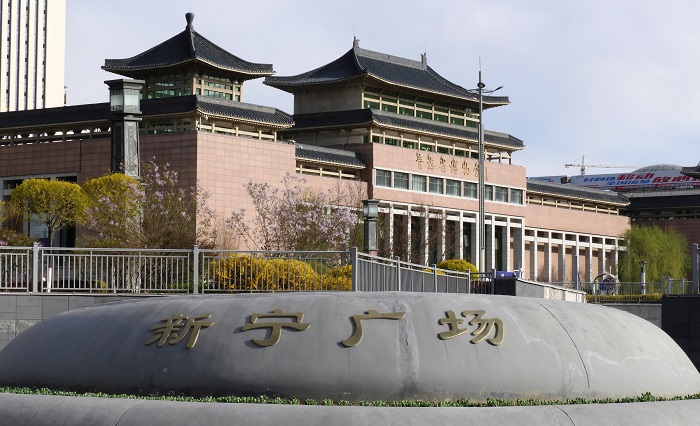
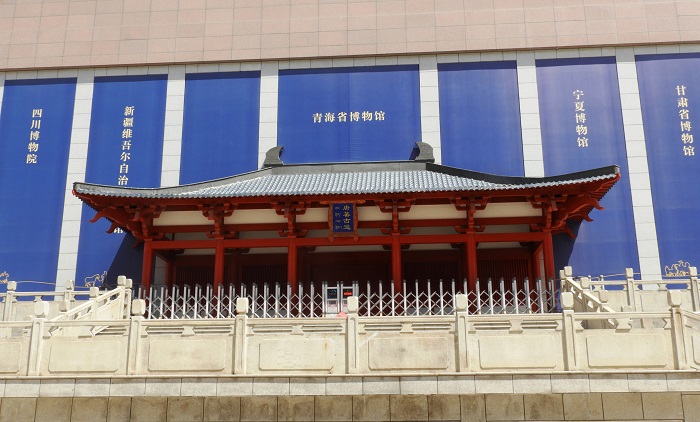
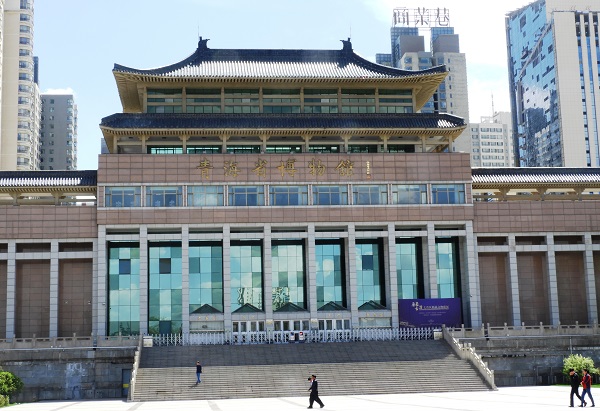
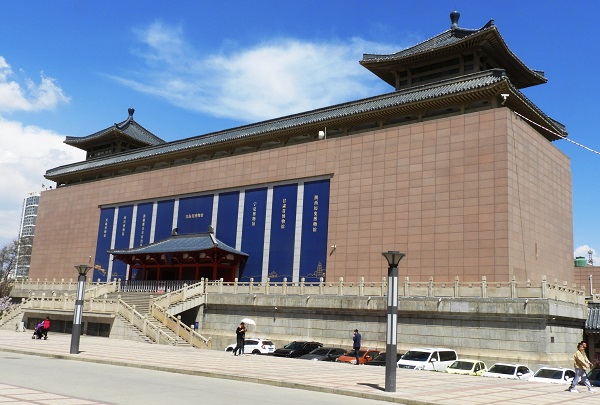
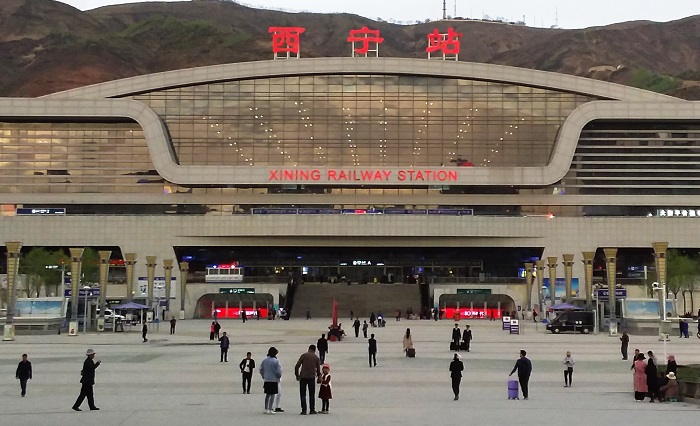
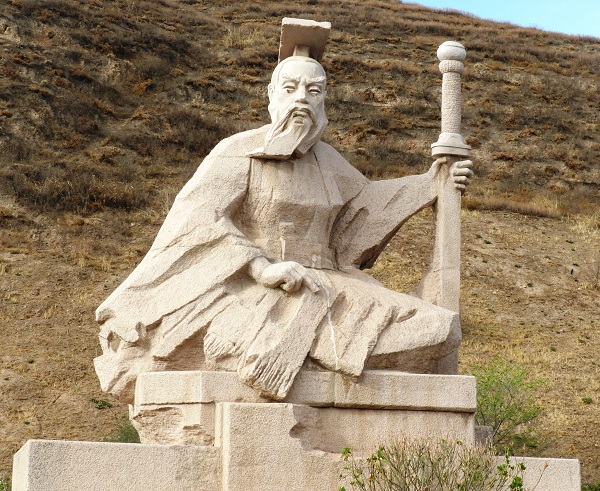
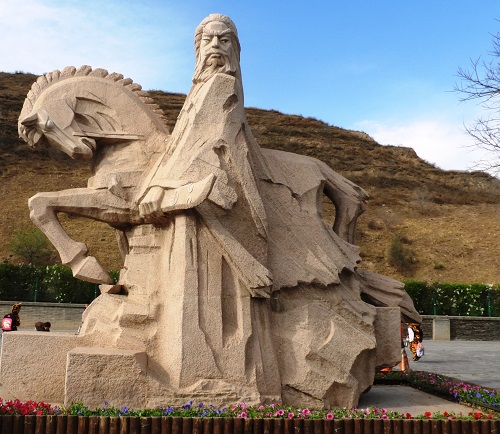
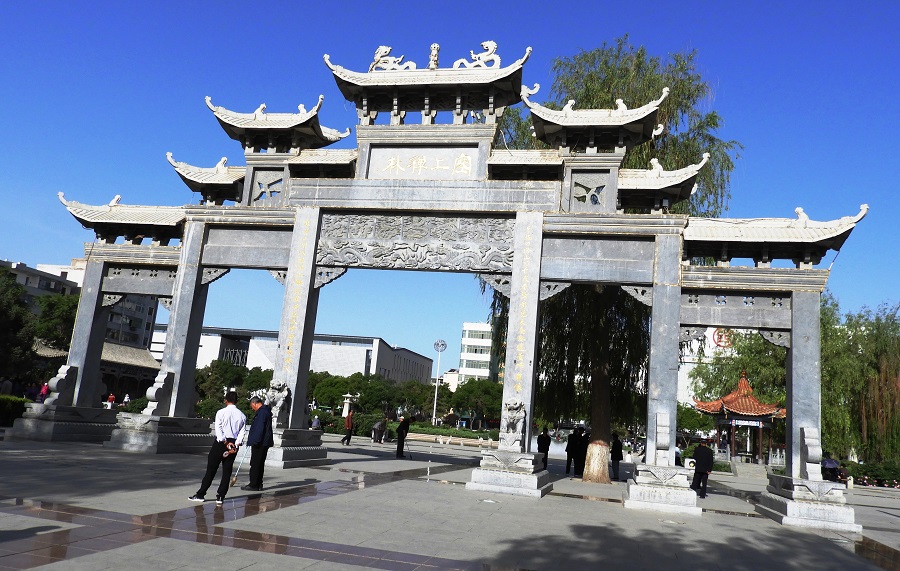
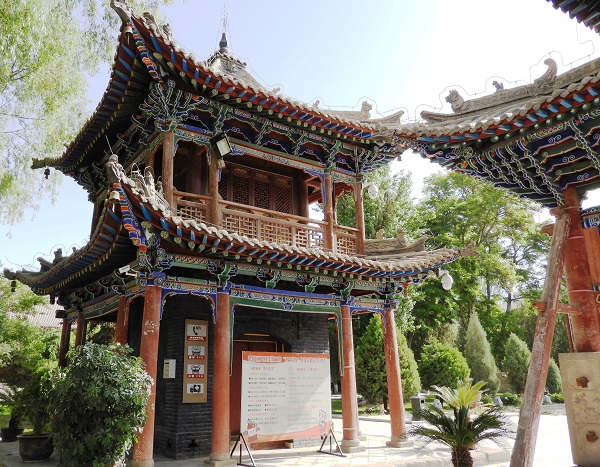
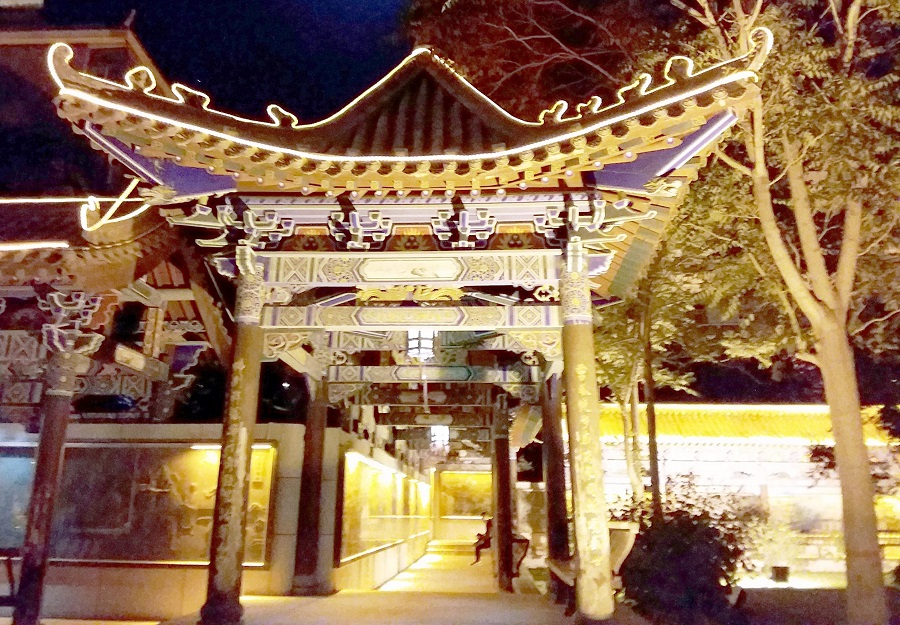
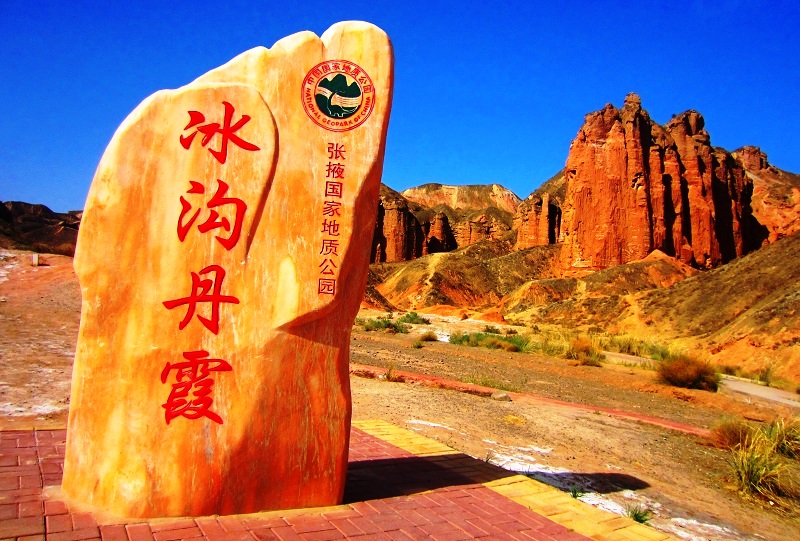
Xian 西安 is a big city and I think we have to stay for at least a week to see all the attractions. This is the home to the Zhou 周 , Qin 秦 , Han 漢 and Tang 唐 dynasties’ ruling houses. Glad that I could visit this place.
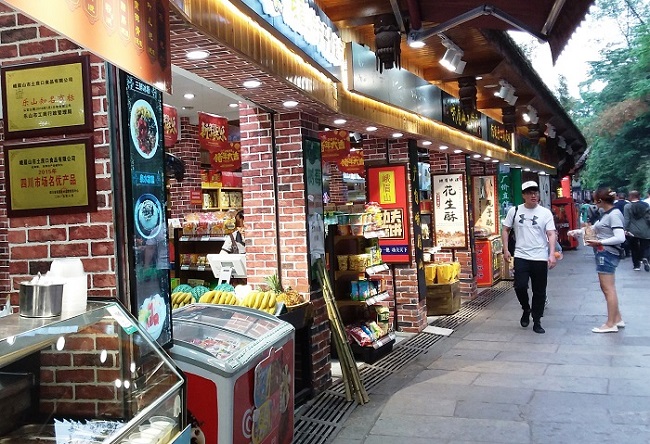
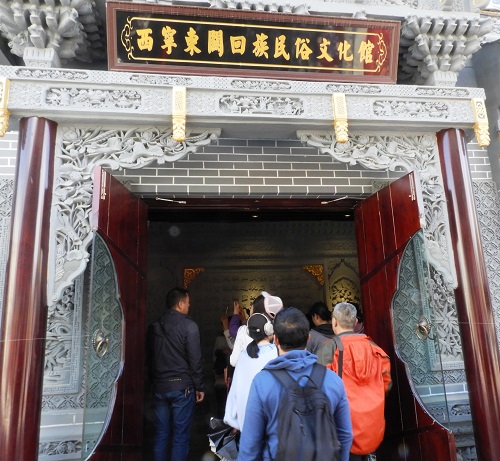
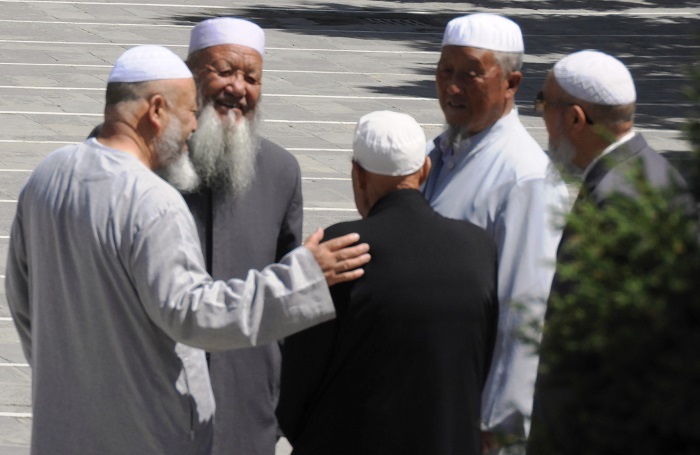
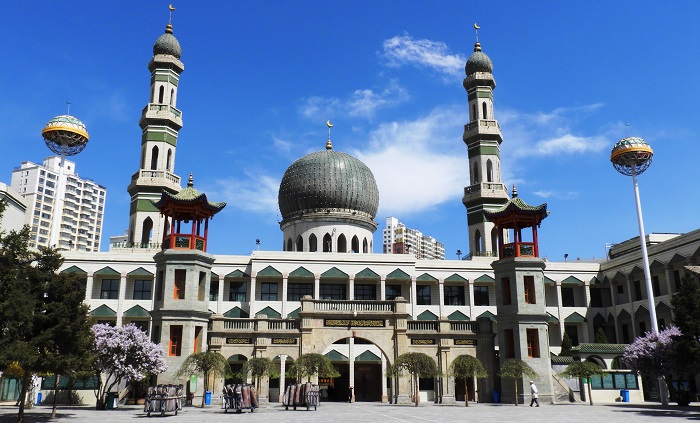
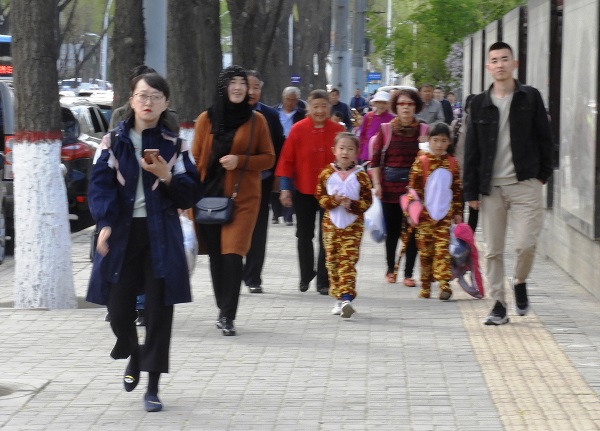
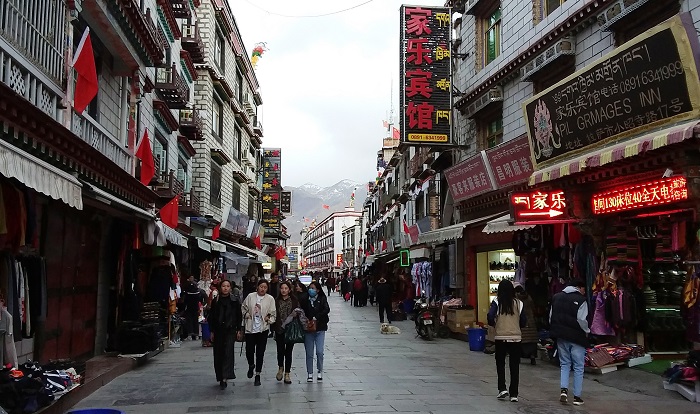
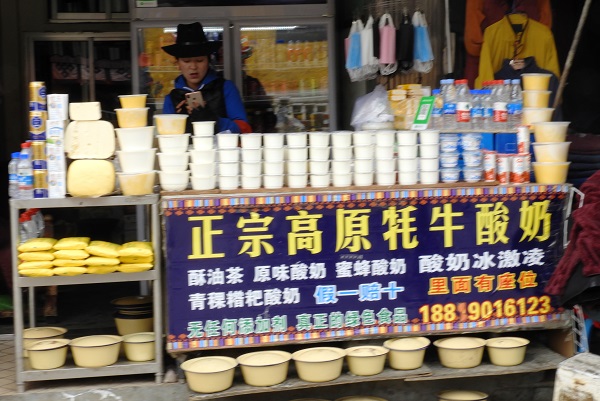
回民街 Muslim Street
Bell Tower 钟楼 and Drum Tower 鼓楼
City Wall 西安城墙
Giant Wild Goose Pagoda 大雁塔 and Small Wild Goose Pagoda 小雁塔
This is my second trip to Korea. During the trip, I discovered new places I have not visited during the first trip and got more familiar with Seoul and Busan. I stayed near the famous Myeongdong walking street and went to the HBAF Almond Store to taste all the almonds many times before buying them. This is because I think that the almonds are grossly overpriced. The street food are also very expensive but I still tasted some of them. The cheapest item I could find is the face mask. In Singapore, one piece of face mask is at least one dollar. Here, they are selling S$0.50 per piece in the Myeongdong walking street (must buy 60 pieces for S$30). In Busan, you can even find face mask selling at S$0.20 a piece. This was a wonderful trip and I do want to visit Korea for the third time
Myeong-dong walking street明洞步行街
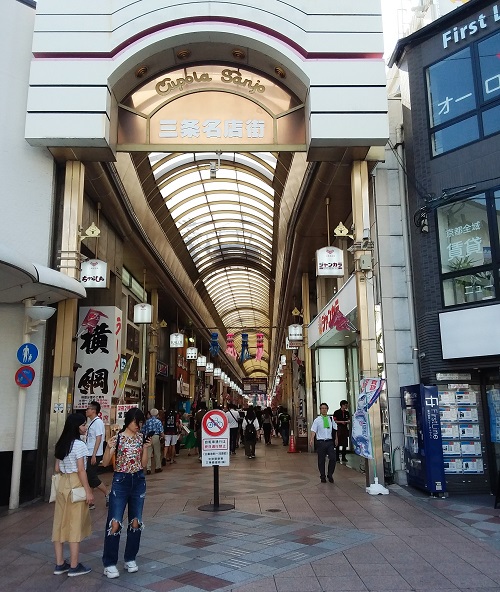
The bustling Myeong-dong walking street is one of the primary shopping districts in Seoul. During the day, I could see guides helping tourists to find their way around. In the late afternoon, the push cart vendors will start to set up their business along the road when vehicles are not permitted to enter. The crowd will start to come in the evening. If you think that street food is convenient and cost-friendly, I will shake my head in denial.
For the 7 days in Seoul, I have been walking up and down of the walking street for more than 20 times. I know that there is the Post Office at one end of the road and the historical Cathedral at the other end. The City Hall is just one train stop away. I also discovered 3 Cat Cafes in the walking street but I did not get into any of them.
Namdaemun Market 南大門市場
Namdaemun Market is a large traditional market spread out over many blocks where you will see a dense maze of stalls selling variety of clothes, souvenirs, food and many others. This is also a wholesale market and the prices are cheaper than Myeong-dong. I bought a Korean souvenir T-Shirt for 6,500 won while in Myeong-dong is selling tis type of T-Shirt at 15,000 won.
The Seoul Tower 首尔塔
It is 14,000 won (about S$17) for an adult return cable car trip to the Seoul Tower. If you want to get up to the observation deck to have an aerial view of the city, it will be another 21,000 won (about S$26). I think this is too expensive and did not go up to the deck.
On another day, I went up to the Seoul Tower again. This time, I took the steps, instead of taking the cable car. The journey is about 1.4 Km. There is a bus stop near the Tower area but somehow I decided to walk through the forest to get down to the main road as I wanted to have a different travel experience. If you want to visit the Seoul Tower, remember not to go up too early as the tower opens at 11am.
The Cheonggyecheon Stream淸溪川
When you walk around the tourist attractions in city of Seoul, you will see the long and beautiful Cheonggyecheon Stream. During my first trip to Seoul, I walked along the stream for about 2 hours and I still couldn’t see the end. As it was getting dark, I stopped my silly inefficient experimental walk and took the train back to the Hostel. The Cheonggyecheon Stream is a good place to rest and relax by after a long walk.
Bukchon Hanok Village 北村韓屋
The Bukchon Hanok Village is a residential neighborhood in Jongno District. It has many restored traditional Korean houses, called hanok, and this has made the place a popular tourist destination.
The War Memorial Museum 戰爭紀念館
The poignant exhibits, war memorabilia, art works, and military equipment make the war museum a learning place for us to get to know about the history of Korea’s war. The entrance is free and there is also a free guided tour in various languages where you just need to register at the counter next to the entrance. There are also outdoor exhibits of airplanes and ship. You could easily spend 3 to 4 hours in the museum. Note that the museum closes on Monday.
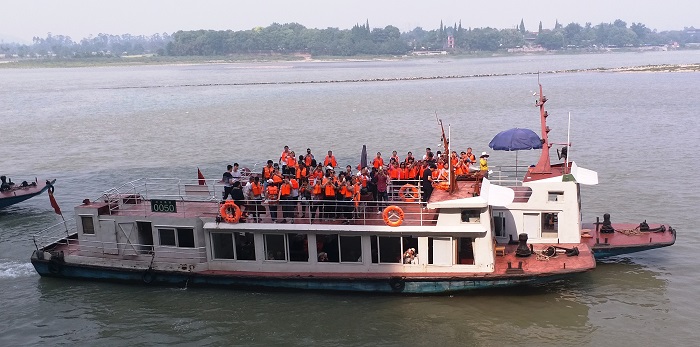
Mandalay is the former royal capital in northern Myanmar (known as Burma). I took the cruise from Bagan to Mandalay on the Irrawaddy River. This is a 12 hours sail where I had to wake up before dawn to catch the 5.30am departure. There was no onboard entertainment and it was more about immersing myself into the timeless scenery watching the mist lift off the river and beautiful sunrise. I enjoyed the scenic journey. Breakfast and lunch were provided.
I stayed in this hostel that was owned by 2 young Singaporean girls and the locals. This is just oppositive the Mandalay Royal Palace.
I booked a local tour and and visited the Gold Leaf Workshop.
I followed the tour to Inwa. This is the historic, ancient imperial capital of the Burmese kingdoms for nearly 360 years between the 14th and 19th centuries. It is now a popular tourist destination known for its peaceful, rural atmosphere, featuring ruins, monasteries, and pagodas. Yes, need to take the horse cart to tour the places. It was US$10 for about an hour ride.
The U Bein Bridge was built around 1851. This is the world’s longest and oldest teakwood bridge, stretching 1.2 kilometers across the Taungthaman Lake. This place is best visited at sunset where it offers a picturesque and historic walk.
I took the bus from Mandalay at about 7pm and reached Nyaung Shwe at 3am. I was impressed that the bus driver dropped me directly in front of the Hardword Lodge and was even more impressed that the staff was waiting outside the hostel for my arrival. The Hardword Lodge is an old building but worth the stay. Highly recommended!
The next day, I walked around and explored the nearby area. I went to the local market. I also went to a food stall and shared a plate of fried rice with a stray dog.
I took the share boat trip to the Inle lake. It is 6,000 Kyats per person. This is a recommended trip
I took the bus from Yangon to Bagan. Bagan is an ancient city and UNESCO World Heritage Site. I have to pay 25,000 Kyats to get into the Archaeological Zone.
While I was walking into the into the Archaeological Zone, this French man approached me and asked me to help him to pay for the entrance as he had no small change. I did so and later I found that we were staying in the same Lux Pillow Hostel. He paid me back the money when we reached the hostel.
I stayed in a room with 4 beds but I was the only person in the room. The French man stayed in a room with 20 beds that filled with people. Breakfast was provided but the bread was cold.
The tuk tuk driver took me to a restaurant. I did not order any thing but the staff just put the dishes on the table for me to eat at a fixed price. I asked the driver to join me thinking that he could explain to me about the food but he went to eat with the staff.
I went to the restaurant in front of the hostel for dinner. The first evening I had riced rice and the second evening I had fried noodles.
I walked around the nearby area where I was staying.
I got a tuktuk and visited some places
Itook the train to Mandala. I got the “luxury” first class seat and I have the whole cabin for myself with unexpected company of spiders, ants and lizards. There are a few stops on the ways. I handed out some biscuits to the children through the window.
My first stop to Myanmar is in Yangon. From the airport, I took the local bus to the city and stayed in the Lil Yangon Hostel for 2 nights. I walked and explored the city, visited the Shwedagon Pagoda and even took the local train to travel along the Yangon Circular Railway, connecting downtown to the rural, suburban villages.
Breakfast is provided in the hostel.
I found the Singapore Food Junction but the place was quite empty. Based on the food and prices, I think this is not the place for the locals. It is for the tourists and foreigners working here.
TheBogyoke Aung San Market
The city is just a few minutes walk from the hostel.
From the hostel, I walked to the Shwedagon Pagoda.
This is a slow-paced, 3-hour loop train ride that provides an authentic up-close look at the local Burmese daily life. connecting downtown to rural, suburban villages.