
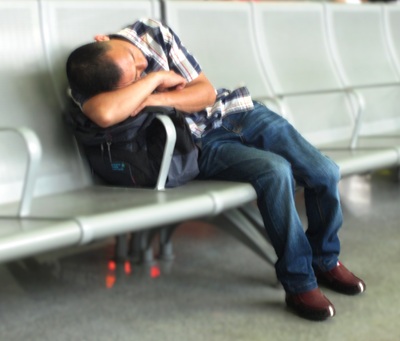
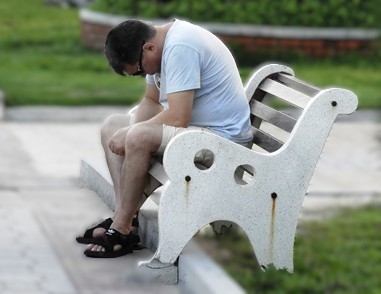
Sleep is an indispensable element in our lives. In fact, we spend about one-third of our lives sleeping. During our sleep the mind and body are in a different level of consciousness as compared to when we are awake. Our body are inactive, metabolism decreases and the mind is seemingly unaware of the surroundings. However, the body does not completely stop its operations.
What happen during our sleep?
Essentially there are four stages in one sleep cycle.
Stage 1
Light sleep takes up around 5% to 10% on an average night. The body temperature drops and the muscles relax. It is not difficult to awaken sleepers at this stage, and they may not even realise that they have been asleep.
Stage 2
This refers to light-to-medium sleep during which it is still effortless to arouse the sleeper. The body is relatively restored at this juncture.
Stage 3 and 4
The sleeper falls into deep sleep during these two stages. The gradual relaxation of muscles and breathing, increased insensitivity to light and sound, as well as reduced heart rate can be observed. The sleeper is not easily awakened.
The body is most rejuvenated and restored at stage 3 and 4. If a sleeper does not obtain enough deep sleep at these two levels, he does not wake up invigorated. After the completion of stage 4 sleep, we go back to stage 3, then stage 2. After this, we experience the first session of REM (rapid eye movement) sleep for the night.
NREM and REM Sleep
Non-rapid eye movement (NREM) sleep used to describe stages 1 to 4. REM sleep refers to the phase during which we dream. The term “REM sleep” is derived from the fact that our eyes appear to move quickly at random at this stage.
It is found that our brain activity throughout REM sleep is similar to that when we are awake. In contrast to the slower heart rate at stages 1 to 4, the heart rate during REM sleep is comparable to the normal waking pace.
REM sleep takes up about 20% to 25% in a standard night, and is usually linked with light sleep. The interval between each REM phase is approximately 90 minutes. Furthermore, the stages gradually occupy more time as the night advances.
Another sleep cycle starts after the first REM stage ends. We go through levels 2, 3, 4 and subsequently, the second REM stage. On average, four to six sleep cycles occur every night. The duration of each cycle is estimated to be around 90 minutes. As deep sleep mainly takes place in the earlier part of the night, the body is primarily renewed during the first three to five hours of sleep.
Source : “Sleep: Our faithful companion in life” by Wong Pui Yee. Featured in Montage Edition – Many faces, One world. Volume 9. Published by Asiapac Books Pte Ltd.
Discover more from Welcome to My World of Travel
Subscribe to get the latest posts sent to your email.